
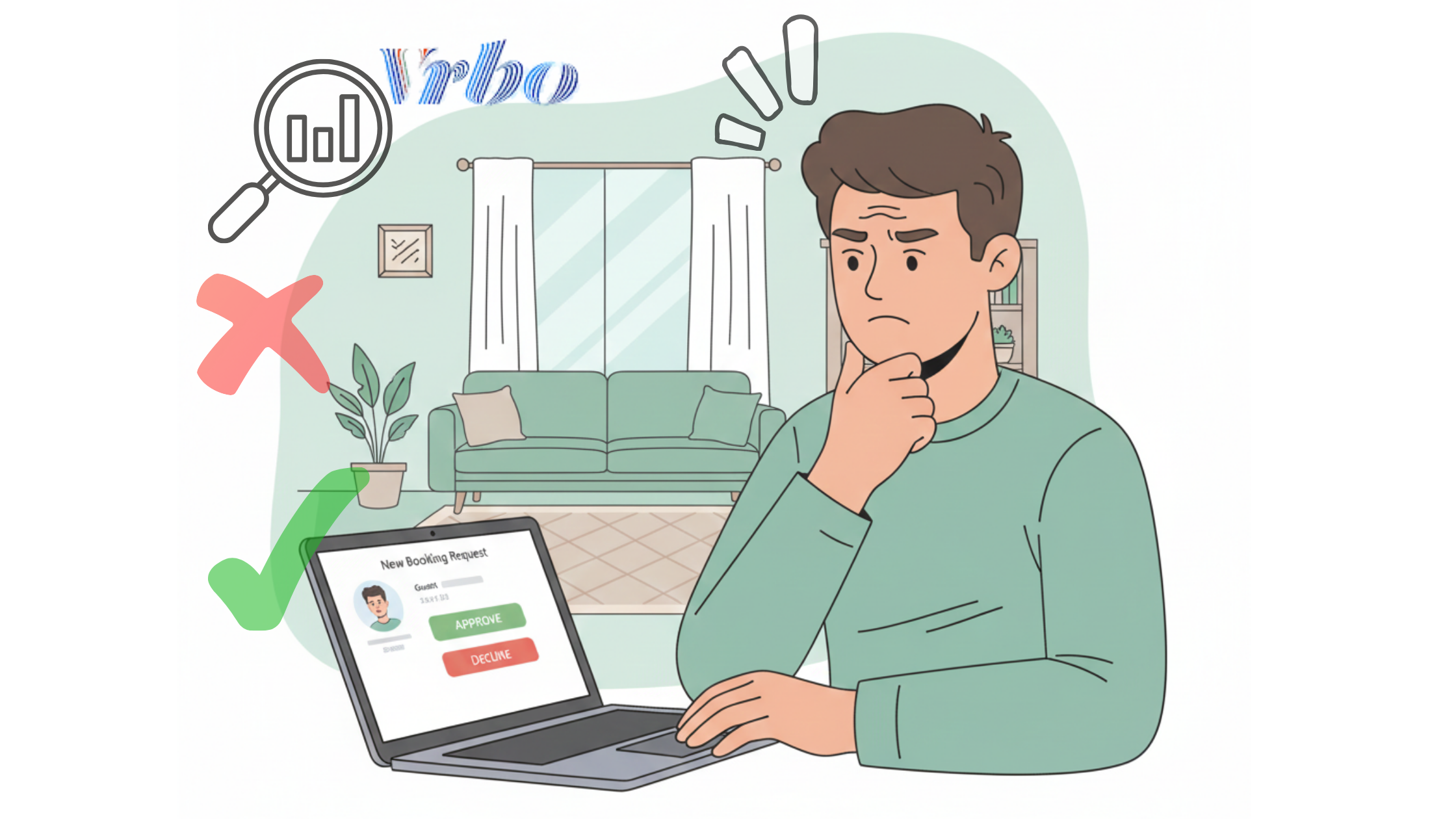
As a host, you live in the middle of a contradiction. On one hand, Vrbo rules for hosts say you’re responsible for keeping the property safe, neighbors happy, and guests satisfied. On the other hand, the platform quietly punishes you when you try to say no to risky bookings, even when your instincts are screaming that something’s off. You’re liable for the damage, the noise complaints, and the bad reviews, but you don’t always control who walks through the door.
This guide explains how Vrbo rules for hosts actually work when you decline bookings, especially guests with iffy reviews or locals who might be planning a party. We’ll walk through real host stories about “invalid” declines, ranking drops, and surprise suspensions, then connect them to Vrbo’s metrics and policies.
By the end, you’ll know how to protect your property, reduce Vrbo penalties for declining, and start building a safer setup that doesn’t rely on one platform for all your income.
How Vrbo Rules for Hosts Treat Declines and Cancellations
On paper, Vrbo expects you to accept most bookings, cancel almost none, and keep guests happy. Declining a request is “better” than canceling an accepted booking, but both feed into your performance metrics. Behind the scenes, Vrbo rules for hosts reward a high acceptance rate and punish hosts who say no too often, especially if support decides your reason is not valid. That’s where Vrbo penalties for declining start to quietly show up.
Vrbo’s Premier Host criteria tell the story: they expect a very high acceptance rate, a tiny cancellation rate, and consistently strong reviews. That means the platform is built to favor “yes” over “no,” even when a booking looks risky. At the same time, local laws and short-term rental regulations keep tightening, putting more responsibility on you for safety, registration, and compliance. Nolo It’s a lot to juggle for someone just trying to run a clean, well-run vacation rental.
Declines vs. cancellations in Vrbo policy
When you decline a request, you avoid the harshest fees that come with canceling an accepted stay, but the decline still counts against your Vrbo acceptance rate. Too many “invalid” declines, and those Vrbo penalties for declining start stacking up: lower metrics, lost visibility, and sometimes even temporary suspension. Canceling is worse again, Vrbo’s host-initiated cancellation policy makes it clear that cancellations can trigger fees and even impact your program status and market rank.
Why your metrics matter more than you think
All of this rolls into your Vrbo search ranking, which is what actually gets you bookings. Drop from page one to page three, and you will feel it in your calendar and your revenue. That’s why it’s so important not to build your whole business on a single channel. Many professional hosts spread bookings across multiple platforms and manage them through tools like AdvanceCM, so a bad month with Vrbo doesn’t sink their entire occupancy.
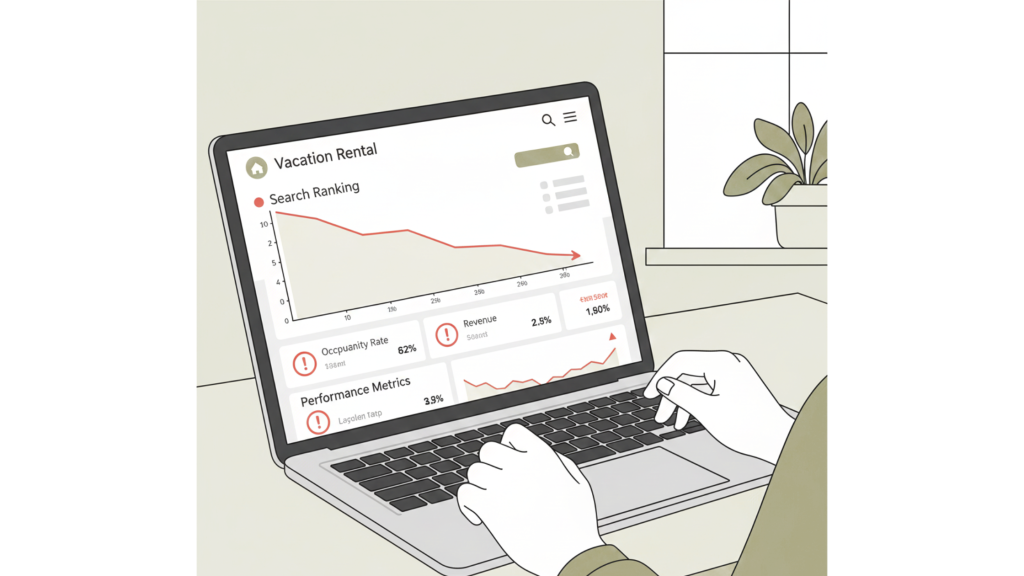
Even a few “invalid” declines can quietly impact your visibility, acceptance rate, and long-term booking performance.
When Guest Reviews Aren’t a Valid Reason to Say No
One of the most surprising stories from Vrbo hosts is simple: a host declined a guest who had a single four-star review and was told by support that this was an “unacceptable” reason. Many owners rely on guest ratings from previous stays as their first filter; if someone couldn’t manage five stars on their one and only stay, that’s a perfectly reasonable concern. And yet, according to support, using reviews this way can trigger Vrbo penalties for declining.
From a risk point of view, this clashes with how Vrbo rules for hosts are supposed to support safety. The entire point of two-way reviews is to highlight red flags and reward great behavior. If you’re asked to rate guests but discouraged from using Vrbo host reviews to screen them, the system stops working for you and starts working only for the platform. Hosts end up saying yes to guests they would never accept if they were booking directly.
How hosts actually use guest ratings
Most experienced owners treat ratings like a smoke alarm. A long record of five-star reviews means less friction and less second-guessing; a few three- and four-star stays on a new profile are enough to pause and ask questions. That’s normal risk management, not discrimination. When support labels those declines “invalid,” it sends a clear message: keep the booking, protect the metric.
The hidden cost of ignoring your instincts
When you stop listening to your own risk radar, you trade short-term peace with Vrbo for long-term headaches with guests, neighbors, and local regulators. Property damage, noise complaints, and disputes over house rules all become more likely. And since you’re still the one responsible under local rules and legal standards for short-term rentals, guides like Nolo’s overview of short-term rental laws are a good reminder that the liability sits with you, not the platform. Ignoring your instincts just to avoid Vrbo penalties for declining is a bad deal.
Why Declining Local Guests Can Still Hurt You
Another pattern that keeps coming up is hosts declining local guests who “just want to have fun” and being told that’s not an acceptable reason. Many owners have learned the hard way that last-minute locals are a common source of parties, rule-breaking, and friction with neighbors. It’s completely logical for a host to have a firm policy against locals without a compelling reason, yet some support reps still label those declines “invalid.”
This is where Vrbo rules for hosts send mixed messages. The platform expects you to prevent parties, protect neighbors, and comply with local rules, but it also wants a near-perfect acceptance rate. If you decline locals to avoid risk, you may face Vrbo penalties for declining; if you accept them and it turns into a party-house situation, you’re the one dealing with damage, fines, or even HOA trouble.
Why local bookings worry experienced hosts
Locals booking a full house “for fun” often means birthday parties, after-prom events, or unofficial gatherings that spiral out of control. They know the area, they know the loopholes, and they don’t always treat the property like a once-a-year holiday splurge. That’s why so many hosts around the world have “no locals” as an unwritten rule unless there’s a clear family, work, or relocation reason.
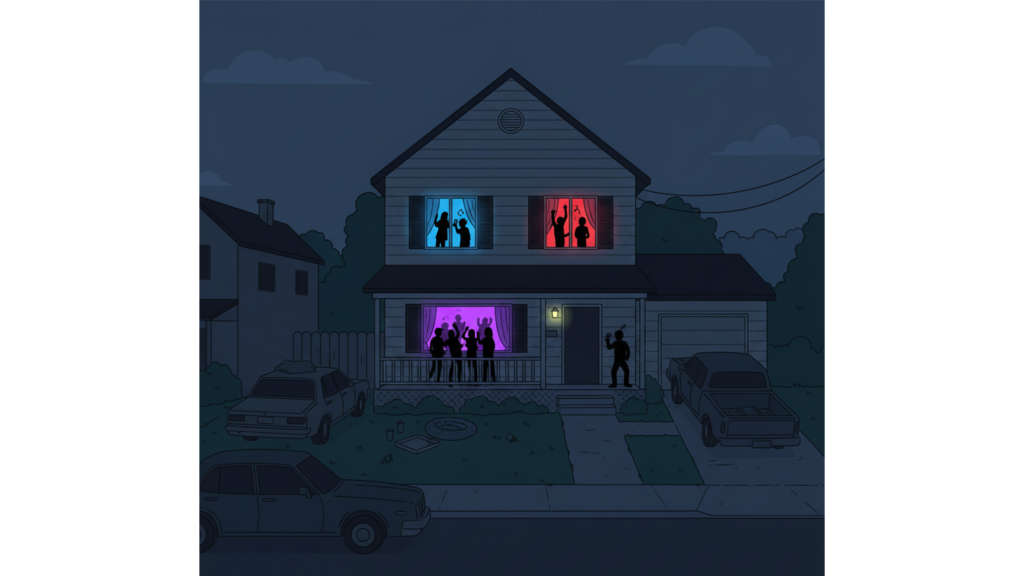
Declining risky local bookings is often about preventing parties and protecting neighbors, even when platform rules push you to say yes.
Safer ways to screen high-risk bookings
If you want to reduce risk without triggering Vrbo penalties for declining, you can tighten your screening process without breaking platform rules by:
- Asking targeted pre-booking questions about the purpose of the stay and number of guests
- Requiring guests to acknowledge your no-party and occupancy rules in writing before you accept
- Making your maximum occupancy, quiet hours, and visitor policy crystal clear in your listing and messages
For especially worrying requests, some hosts call support ahead of time to document the concern before taking action. None of this is bulletproof, but it gives you a paper trail if your decision is ever questioned.
The Real Cost of Vrbo Penalties for Declining
The most obvious downside of Vrbo penalties for declining is what you can see in your dashboard: acceptance rate, response time, and status. But the real impact shows up in search results and cash flow. Hosts report dropping from page one to page three after a single decline or having their listing suspended for seven days after multiple “invalid” declines. That’s a full week with zero bookings from that channel.
Because Vrbo’s algorithm leans so heavily on acceptance and cancellation metrics, those Vrbo penalties for declining ripple out into everything else: fewer views, fewer inquiries, and lower occupancy. Pair that with Premier Host criteria that reward near-perfect behavior, and you can see how the system nudges you toward saying yes even when you’re uncomfortable. If Vrbo is your only pipeline, one bad month of declines or disputes can throw off your entire season.
How declines affect Vrbo search ranking
Think of your Vrbo search ranking as a rolling report card. Each decline, especially one a support decides is “invalid,” is a small mark against you. Enough of them, and your listing sinks below similar properties that say yes more often. Guests rarely go that far into the search results, so even a modest drop can feel huge in your booking numbers.
When declines turn into suspensions
In more extreme cases, repeated “invalid” declines or breaches of platform rules can lead to temporary suspension of your listing. That means no bookings, no inquiries, and no chance to recover your metrics during that time. When you come back online, you’re starting from behind. Many hosts avoid ever getting close to that line by spreading their risk with a channel manager instead of relying on one marketplace.
Turning Confusing Vrbo Rules for Hosts Into a Safer Strategy
Underneath all the frustration is a simple paradox: Vrbo asks you to leave reviews, follow strict rules, and protect the community, but Vrbo rules for hosts can penalize you when you act on the very information the system gives you. Support answers can vary from rep to rep, and the line between a “valid” and “invalid” decline doesn’t feel clear. That uncertainty is why many hosts feel like they’re always one decision away from a ranking drop.
The good news is you’re not stuck. You can document clear house rules, use pre-booking questions to filter out obvious party risks, and keep notes on any conversations with support about specific guests. Over time, many hosts build a strategy where Vrbo is one of several channels managed through a central inbox and calendar, so no single platform can make or break their income. That’s where tools like AdvanceCM and a transparent pricing page help you control your pipeline instead of betting everything on one marketplace.
💬 Ever had a booking request that felt risky, but you accepted anyway because you were worried about Vrbo rules for hosts and your metrics? You’re not alone, hosts swap these stories every day in Reddit communities and learn from each other’s battle scars.
Conclusion
Vrbo isn’t evil, but it is optimized for volume, not necessarily for your peace of mind. Understanding how Vrbo rules for hosts treat declines, reviews, and locals gives you a much better shot at protecting both your property and your visibility. Instead of guessing what might trigger Vrbo penalties for declining, you can build a simple playbook: clear rules, smart questions, and documented decisions.
Most importantly, treat Vrbo as one important channel, not your entire business. When your bookings run through a broader system and your policies are crystal clear, you get to do what hosts are supposed to do in the first place: say yes to great guests, say no to bad fits, and sleep at night knowing you didn’t gamble your asset on a single platform’s mood.
FAQs
Q: Are hosts really not allowed to decline based on guest reviews?
A: Vrbo doesn’t publish a clear rule saying you can’t, but many hosts report being told by support that reviews alone are not a valid reason to decline. That’s why it’s safer to combine reviews with specific rule concerns and document your reasoning.
Q: Do VRBO penalties for declining affect my search ranking?
A: Yes, a lower acceptance rate and repeated “invalid” declines can push your listing down in search results over time. Even a small drop in Vrbo search ranking can mean fewer views and fewer bookings.
Q: Is it safer to cancel a booking than to decline it?
A: No, host-initiated cancellations are usually treated more harshly than declines and can trigger fees and suspensions. If you’re worried about a request, it’s better to address issues before accepting the booking and involve support early when needed.
Q: How can I protect myself from party bookings on Vrbo?
A: Clear house rules, strict maximum occupancy, and targeted pre-booking questions are your first line of defense. Many hosts also avoid certain high-risk patterns, like vague local bookings “just for fun,” and keep everything documented in the message thread.
Q: What’s the best way to reduce my reliance on Vrbo?
A: The most resilient hosts list on multiple platforms, build direct booking channels, and manage everything through a central system for calendars, messages, and pricing. That way, if Vrbo penalties for declining or policy changes hit your listing, your business keeps moving.

Welcome to Tokeet’s Podcast — your trusted source for insights, trends, and strategies shaping the vacation rental industry. Each episode features expert interviews, data-driven analysis, and practical tips to help property managers grow their businesses, improve guest experiences, and stay ahead in a rapidly evolving market. Whether you’re new to short-term rentals or managing a large portfolio, tune in to stay informed and inspired.
Some days just don’t work for a guest arrival, whether it’s a holiday, a maintenance window, or a turnover day your team can’t cover. This episode walks through check-in and check-out restrictions, the most requested feature in AdvanceCM, now live in the Rentals module. You’ll hear how to block arrivals or departures for a date range, such as December 24 to 26, and how to allow check-ins only on the weekdays you choose. We also cover channel-specific rules, like keeping Airbnb to Friday and Saturday arrivals while direct bookings stay open through Sunday. Finally, we explain what to check before switching rules on, from existing reservations to sync time and visibility on booking sites.
Key Takeaways:
✅ Block check-ins or check-outs for any date range
✅ Limit arrivals to the weekdays you choose
✅ Set different rules for each booking channel
✅ Existing reservations stay unchanged
✅ More restrictions mean fewer guests can book, so review rules each season
Related Links:
Company: https://www.tokeet.com/Blogs: https://www.tokeet.com/blog/Blog: Check-in and Check-out Restrictions: How to Set Them in AdvanceCM 👉 https://blog.tokeet.com/check-in-and-check-out-restrictions/
This is a public episode. If you would like to discuss this with other subscribers or get access to bonus episodes, visit podcast.tokeet.com