

A £5,000 booking lands in your inbox four days before check-in. The payment is processed, the guest is platform-verified, but something feels wrong. Do you accept the windfall or trust your screening instincts?
This exact scenario hit a UK property manager recently. Despite official verification and successful payment processing, several red flags triggered their suspicions. Their dilemma illustrates every rental host’s challenge: protecting your property while maximizing revenue.
Here’s how to build screening systems that catch problems before they become expensive mistakes.
Why Guest Verification Matters Beyond Platform Checks
Platform verification catches payment fraud but doesn’t prevent property misuse. According to AirDNA’s 2024 rental industry report, unauthorized parties and property damage cost hosts an average of $3,500 per incident.
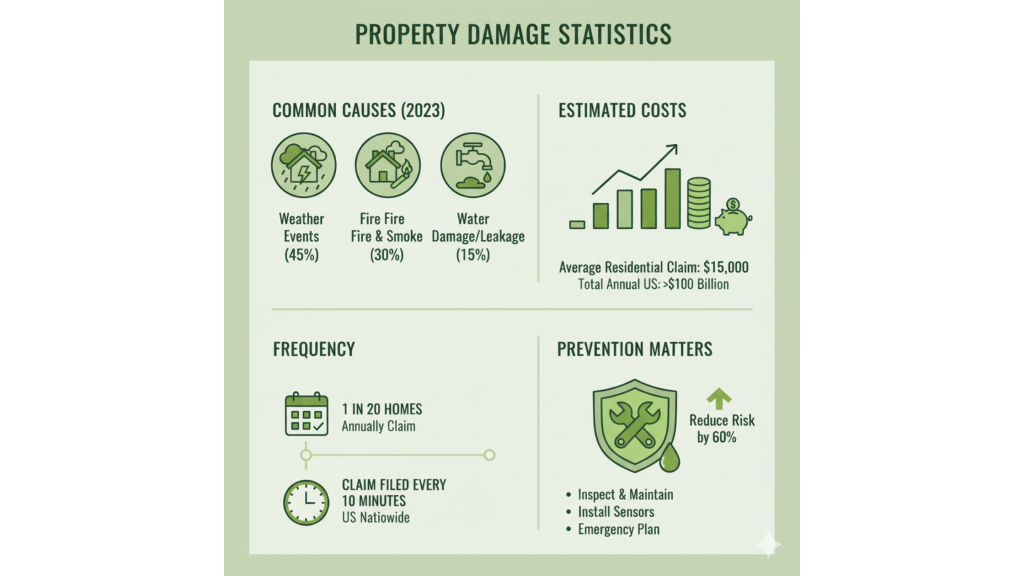
The financial stakes are high. Property damage can cost thousands, while bad reviews from problematic guests impact long-term revenue. Modern hosts need screening systems that go beyond basic platform checks to protect their investments.
Red Flags That Signal Suspicious Guest Behavior
The UK host’s suspicions were triggered by multiple warning signs. Individually, these might seem minor. Together, they create a pattern worth investigating through proper screening protocols.
Suspicious Guest Communication Red Flags
Technology excuses and unresponsive behavior often signal avoidance tactics. Here are the most common patterns:
- Technology Excuses: Guest claims they “don’t know how to upload a photo” when asked for ID.
- Unresponsive Behavior: Guest ignores multiple requests before eventually responding
- Vague Responses: The guest provides unclear or evasive answers to direct questions about their stay.
Suspicious Guest Booking Pattern Red Flags
Unusual booking characteristics can indicate potential problems. Watch for these patterns during screening:
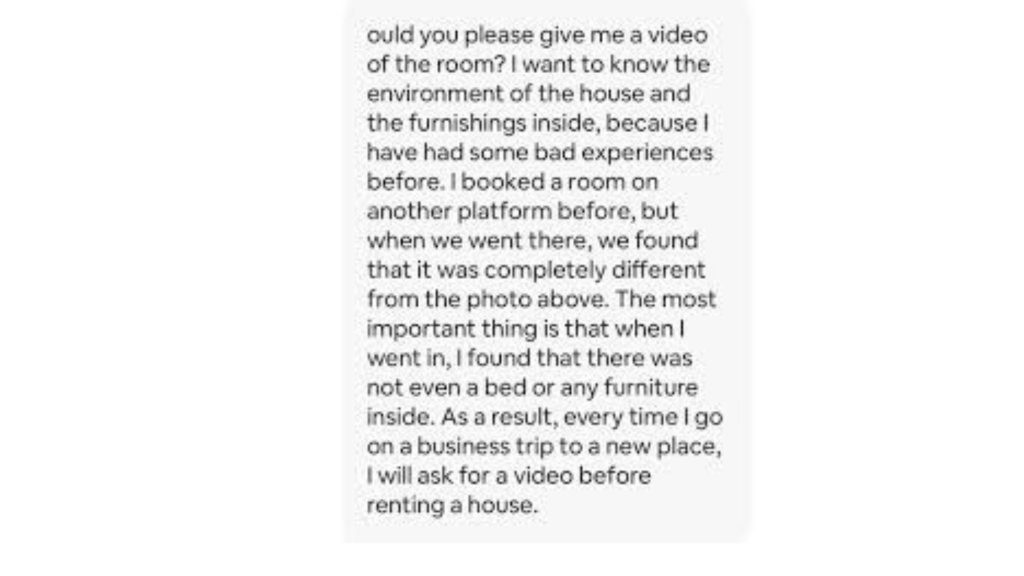
- Unusual Flexibility: Guests claim they “don’t really mind when they come” for expensive trips.
- Occupancy Mismatches: Small party booking large properties (2 guests in 10-person property)
- Last-Minute High-Value: Expensive bookings made just days before arrival
Suspicious Guest Account and Identity Red Flags
Mismatched account information suggests shared, borrowed, or compromised accounts. Cross-reference these details:
- Account Inconsistencies: Email belongs to a different organization or name
- Vague Travel Purposes: Guest claims to “get a feel for the place” without specific reason
- Payment Mismatches: Cardholder name doesn’t match guest name
Platform Verification vs. Independent Guest Verification
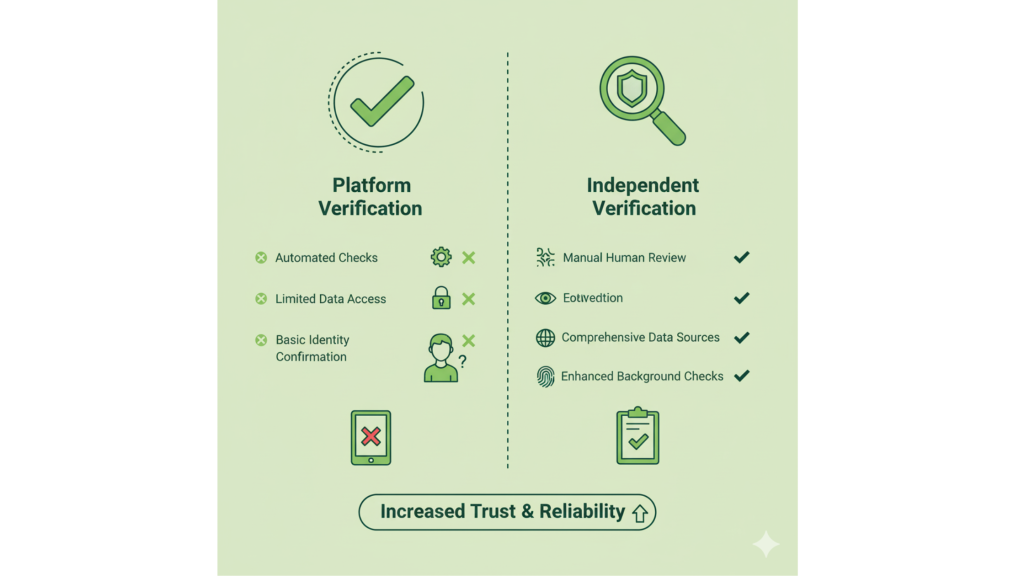
Booking platforms provide baseline screening but aren’t foolproof. They confirm payment methods, basic identity checks, and guest review histories.
Platform verification primarily protects against payment fraud, not property misuse. According to Rental Scale-Up’s industry analysis, most platforms focus on payment security but leave property-specific risks in your hands. This creates screening gaps that hosts must fill through independent processes.
Proven Guest Verification Strategies That Work
Effective guest verification balances security with guest experience. Here’s how to implement screening that catches problems without alienating legitimate travelers.
In-Person Guest Verification Methods
The most effective screening happens face-to-face. Require guests to present a photo ID and the payment card used for booking during check-in. This eliminates most fraudulent reservations immediately.
Many hosts implement this policy for all last-minute bookings or high-value reservations. Frame it professionally: “For insurance purposes, we need to verify photo ID and the payment card during check-in.”
House managers provide ground-level screening that remote hosts can’t achieve. They spot discrepancies between booking details and actual guest behavior instantly.
Technology-Enhanced Guest Verification
Manual screening works for small portfolios but doesn’t scale efficiently. AdvanceCM offers automated workflows that request ID uploads and send reminders while flagging unusual patterns for review.
The platform’s unified inbox tracks all guest communications, making it easier to spot inconsistent stories across multiple touchpoints. This systematic approach maintains consistency across your entire portfolio.
Additional tools like task management systems help organize screening workflows for multiple properties.
Scaling Guest Verification Across Multiple Properties
Growing property managers need screening systems that maintain security standards without requiring constant manual oversight. Technology should enhance, not replace, your screening instincts.
The goal is streamlining routine verification while ensuring suspicious guests get personal attention. Channel management tools can help coordinate screening across multiple booking platforms.
💬 Join our Reddit discussion about handling suspicious bookings and strategies.
Building Your Guest Verification Framework
The UK host’s story ended positively, the guest eventually provided the requested ID, resolving primary concerns. This outcome reinforces that screening requests either confirms legitimacy or exposes problems early.
Develop clear criteria. What steps will you require? When will you implement additional screening beyond platform assurances? How will you balance revenue opportunities with risk management?
Document your process and train team members. Consistency prevents discrimination claims while protecting your investment. Consider exploring pricing options for property management systems that automate workflows as you grow.
Ready to strengthen your guest verification process? Start with in-person check-in requirements for high-value bookings and establish clear protocols for requesting additional documentation.
FAQs
Q: How can I verify guests without seeming discriminatory?
A: Apply verification policies consistently based on booking characteristics (value, timing, party size) rather than guest demographics. Frame verification as a standard security procedure using professional language like “For insurance purposes, we require photo ID verification during check-in.”
Q: What if a guest refuses basic verification requests?
A: Legitimate guests rarely refuse reasonable verification, especially for high-value bookings. If someone becomes hostile about standard security measures or won’t provide basic ID, that’s usually a red flag indicating potential problems. Declining the booking protects your property.
Q: Can small hosts afford automated guest verification systems?
A: Modern property management platforms offer scalable verification workflows that start affordably and grow with your portfolio. The cost of automated verification is typically much less than a single incident of property damage or unauthorized use.

Welcome to Tokeet’s Podcast — your trusted source for insights, trends, and strategies shaping the vacation rental industry. Each episode features expert interviews, data-driven analysis, and practical tips to help property managers grow their businesses, improve guest experiences, and stay ahead in a rapidly evolving market. Whether you’re new to short-term rentals or managing a large portfolio, tune in to stay informed and inspired.
Some days just don’t work for a guest arrival, whether it’s a holiday, a maintenance window, or a turnover day your team can’t cover. This episode walks through check-in and check-out restrictions, the most requested feature in AdvanceCM, now live in the Rentals module. You’ll hear how to block arrivals or departures for a date range, such as December 24 to 26, and how to allow check-ins only on the weekdays you choose. We also cover channel-specific rules, like keeping Airbnb to Friday and Saturday arrivals while direct bookings stay open through Sunday. Finally, we explain what to check before switching rules on, from existing reservations to sync time and visibility on booking sites.
Key Takeaways:
✅ Block check-ins or check-outs for any date range
✅ Limit arrivals to the weekdays you choose
✅ Set different rules for each booking channel
✅ Existing reservations stay unchanged
✅ More restrictions mean fewer guests can book, so review rules each season
Related Links:
Company: https://www.tokeet.com/Blogs: https://www.tokeet.com/blog/Blog: Check-in and Check-out Restrictions: How to Set Them in AdvanceCM 👉 https://blog.tokeet.com/check-in-and-check-out-restrictions/
This is a public episode. If you would like to discuss this with other subscribers or get access to bonus episodes, visit podcast.tokeet.com