

Imagine this: You’ve been an Airbnb host for five years. You’ve earned Superhost status and maintained it for over three years.
Then, in just 20 minutes, it all comes crashing down. A guest arrives, complains about a “smell,” and leaves. Despite your cancellation policy, the platform gives them a full refund. They leave a scathing review that threatens your Superhost status.
You get no money and a terrible review. This isn’t fiction, it’s happening to experienced hosts every day.
The Hidden Risks That Threaten Every Host
Most Airbnb hosts focus on creating great guest experiences. But few understand the platform risks that can destroy their business overnight.
Recent analysis of host experiences reveals three critical vulnerabilities every property manager needs to know about. Understanding these risks is the first step toward building a more resilient hosting business with AdvanceCM.
The Pro-Guest Bias in Dispute Resolution
When disputes arise between hosts and guests, the platform consistently sides with guests. Decisions happen without host consultation and often override established cancellation policies.
“They never ran it by us,” explains one frustrated host who lost a full booking fee after a guest complaint. When hosts ask for explanations, they get standard policy responses with no real reasoning.
The “Smell” Complaint Loophole
Among all guest complaints, “smell” has become the most effective way for guests to secure penalty-free cancellations. Why? Because it’s completely subjective and nearly impossible for hosts to disprove.
One host discovered through research that smell complaints trigger automatic refunds. This happens “even if you have many people verify they are lying and there is no smell.” It’s become a known strategy for guests wanting to escape cancellation policies.
The Review System Flaw
Perhaps most damaging is the policy that allows guests to leave reviews even after receiving full refunds. Once a guest officially checks in, even for less than an hour, the reservation is considered “delivered.”
This creates a devastating double penalty. Hosts lose their income AND suffer reputational damage from the same incident.
Case Study: When 20 Minutes Cost Everything
Here’s exactly how this plays out in real life. A seasoned host with five years of experience and 3.5 years of Superhost status received a booking from a guest with only two previous reviews.
The booking was made just 24 hours before check-in, already a red flag.
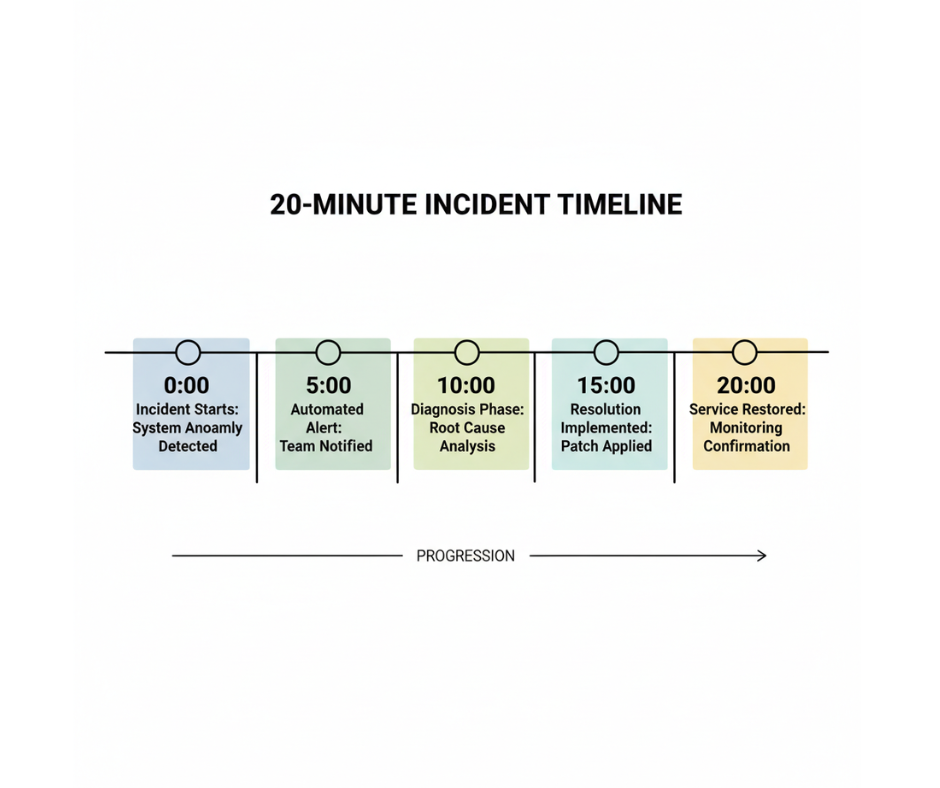
Within 20 minutes of arrival, the guest reported complaints about a “bad smell” and “loud dehumidifier.” The host immediately went to inspect the property. It was a basement apartment where the high-end dehumidifier was essential and had never caused problems before.
They found no smell.
When the host met the guest in person, the story changed. Instead of mentioning the smell or the dehumidifier, the guest complained about “quiet neighbors sitting in their yard.” The host demonstrated how to turn off the dehumidifier and asked what else could be done.
The guest said nothing and announced their intention to leave.
Twenty minutes later, the guest departed. The host received an email: the reservation was canceled, the guest received a full refund, and the guest could still leave a negative review.
The result? “No money and a terrible review.”
The Mathematics of Superhost Vulnerability
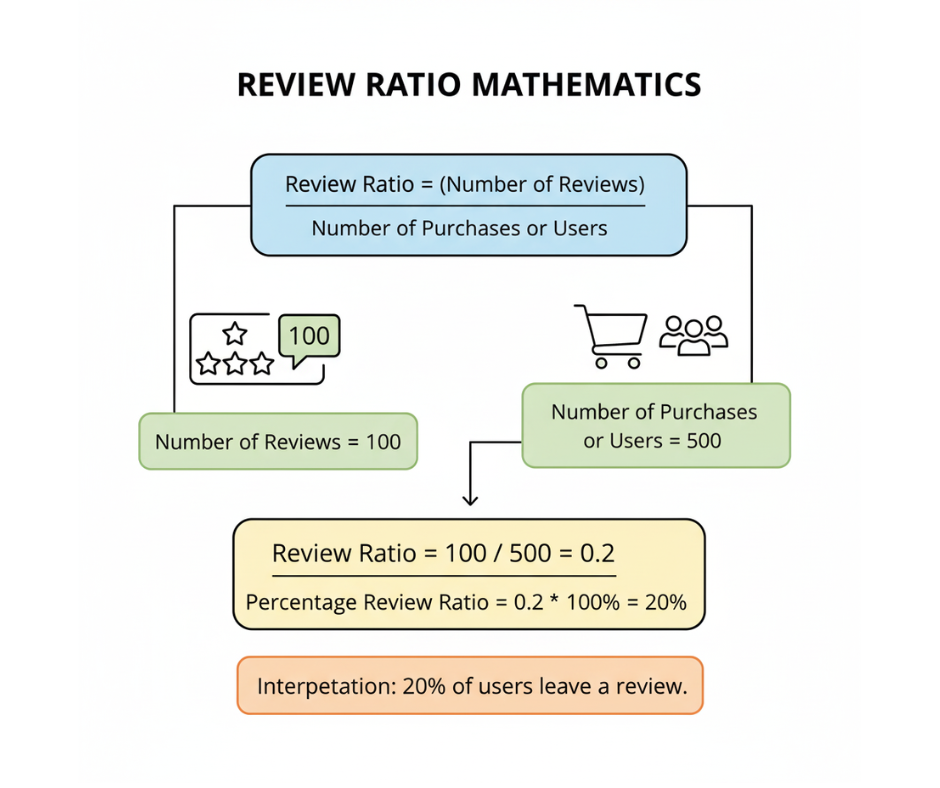
Here’s what makes this especially devastating. Superhost status requires maintaining a 4.8-star average, evaluated quarterly based on the preceding 12 months.
To offset a single one-star review and maintain that 4.8 average, a host needs nineteen five-star reviews. According to industry research from STR (https://str.com/), maintaining consistent high ratings is crucial for vacation rental revenue optimization.
As one host noted, “It takes so long to average out the one-star.” This mathematical reality means that a single manipulative guest can undo months or even years of excellent hosting.
The quarterly evaluation system provides no protection against isolated incidents. No matter how unfair or fraudulent they may be.
Protection Strategies Hosts Are Using
Experienced hosts aren’t sitting idle. They’re developing sophisticated strategies to protect their businesses from these platform vulnerabilities.
Documentation and Evidence
Hosts now record all in-person conversations with guests. This prevents “he said, she said” scenarios during disputes. Managing all guest communications through a unified inbox helps maintain detailed records across all channels.
They focus their dispute efforts on claims that can be disproven with concrete evidence. Photos, videos, and documentation work better than trying to argue against subjective complaints like smell.
Platform Diversification
The most significant trend is hosts reducing their dependence on any single platform. They’re spreading their listings across multiple booking channels using a channel manager to prevent double-bookings and maintain consistent availability.
VRBO generally gets better reviews from hosts regarding partner relations. But it typically has lower booking volume. The key is diversification rather than relying on any single platform.
Additional strategies include:
- Proactive guest management: Some hosts immediately refund complaining guests to avoid negative reviews. “Refusing to refund a few hundred or even a couple grand is very short-term thinking,” explains one experienced host.
- Direct booking development: Building websites with tools like Webready puts hosts back in control of guest relationships and eliminates platform fees.
Your Action Plan for Host Protection
Based on these insights, here’s your immediate action plan. Start with the urgent steps, then build toward long-term protection.
Immediate Steps
Start documenting all guest interactions with photos, videos, and written records. Research alternative booking platforms relevant to your market.
Review your cancellation policies and guest vetting procedures. Prepare standard responses for common complaint scenarios.
Consider guests with very few reviews or last-minute bookings as higher risk.
Long-term protection strategies:
- Multi-platform implementation: Use channel management across multiple platforms to reduce dependence on any single platform’s policies.
- Direct booking development: Build a guest database for repeat bookings outside platform control.
- Financial planning: Create a buffer to handle unfair refund situations without devastating your cash flow. Compare management system costs at AdvanceCM to ensure you’re getting value that protects your investment.
- Risk assessment: Evaluate whether maintaining Superhost status is worth the business risks versus focusing on diversification and direct bookings for better long-term security.
Many experienced hosts are discovering that Superhost status matters less to guests than they thought. But the stress of maintaining it can be enormous.
💬 Join the conversation: Share your hosting experiences and get advice from fellow property managers in our community discussion.
Conclusion
The vacation rental industry is evolving rapidly. Hosts who understand these platform risks will build more resilient, profitable businesses. According to the Vacation Rental Management Association (https://vrma.org/), diversification strategies are becoming essential for long-term success.
Those who remain dependent on a single platform’s goodwill may find themselves vulnerable to policies that prioritize platform growth over host protection.
The most successful hosts are already building diversified revenue streams. They’re implementing professional management systems and reducing their dependence on any single booking channel. Dynamic pricing tools like Rategenie help maximize revenue while reducing manual rate management across multiple platforms.
Your hosting business is too valuable to leave entirely in someone else’s hands. Take control of your future by implementing these protection strategies today.
But remember: knowledge without action is worthless. Pick one strategy from this list and implement it this week.
FAQs
Q: Can guests really leave reviews after getting full refunds? A: Yes. Once a guest officially checks in, the reservation is considered “delivered” regardless of how quickly they leave or whether they receive a refund. This policy allows guests to inflict reputational damage even when hosts receive no payment.
Q: How many five-star reviews do I need to offset one one-star review for Superhost status? A: You need 19 five-star reviews to mathematically offset a single one-star review and maintain the required 4.8-star average for Superhost status. This makes even one unfair negative review extremely damaging.
Q: Are smell complaints really an automatic refund? A: According to host experiences, smell complaints are treated as automatic grounds for refunds because they’re subjective and nearly impossible to disprove. This has become a known strategy for guests seeking penalty-free cancellations.
Q: What’s the best platform alternative to reduce risk? A: Most hosts report better experiences with VRBO regarding partner relations, though it typically has lower booking volume. The key is diversification across multiple platforms rather than relying on any single one.
Q: Should I give proactive refunds to avoid bad reviews? A: Many experienced hosts now consider this a necessary business expense. While counterintuitive, immediate refunds can prevent review damage that costs far more in lost future bookings and Superhost status than the refund amount.

Welcome to Tokeet’s Podcast — your trusted source for insights, trends, and strategies shaping the vacation rental industry. Each episode features expert interviews, data-driven analysis, and practical tips to help property managers grow their businesses, improve guest experiences, and stay ahead in a rapidly evolving market. Whether you’re new to short-term rentals or managing a large portfolio, tune in to stay informed and inspired.
Some days just don’t work for a guest arrival, whether it’s a holiday, a maintenance window, or a turnover day your team can’t cover. This episode walks through check-in and check-out restrictions, the most requested feature in AdvanceCM, now live in the Rentals module. You’ll hear how to block arrivals or departures for a date range, such as December 24 to 26, and how to allow check-ins only on the weekdays you choose. We also cover channel-specific rules, like keeping Airbnb to Friday and Saturday arrivals while direct bookings stay open through Sunday. Finally, we explain what to check before switching rules on, from existing reservations to sync time and visibility on booking sites.
Key Takeaways:
✅ Block check-ins or check-outs for any date range
✅ Limit arrivals to the weekdays you choose
✅ Set different rules for each booking channel
✅ Existing reservations stay unchanged
✅ More restrictions mean fewer guests can book, so review rules each season
Related Links:
Company: https://www.tokeet.com/Blogs: https://www.tokeet.com/blog/Blog: Check-in and Check-out Restrictions: How to Set Them in AdvanceCM 👉 https://blog.tokeet.com/check-in-and-check-out-restrictions/
This is a public episode. If you would like to discuss this with other subscribers or get access to bonus episodes, visit podcast.tokeet.com