

Your Guide to Beating Rising Renovation Costs & Tariffs
Thinking about a home renovation is exciting. You picture the new kitchen cabinets, the updated bathroom, or the new deck you’ve always wanted. But that excitement can quickly turn into stress when you get a quote and see a number much higher than you expected. In today’s economy, with inflation and supply chain issues, rising renovation costs are a real problem for homeowners, property managers, and hosts. One of the biggest culprits you might not even know about is tariffs on imported materials.
This guide is here to help. We’ll explain how these tariffs are affecting your renovation budget and, more importantly, give you five smart, proactive strategies to help you protect your money. By the end, you’ll be ready to plan your project with confidence, even with these extra challenges.
Your Guide to Beating Rising Renovation Costs & Tariffs
The Problem: What’s Driving Up Rising Renovation Costs?
It’s clear that home projects are getting more expensive. But why? While factors like labor shortages and inflation play a role, a major driver is something called a tariff. Simply put, a tariff is a tax a government places on imported goods. When these goods are building materials, the costs go up.
These taxes add thousands of dollars to the price of construction and renovations. For example, a recent survey mentioned that tariffs and construction costs added about $10,900 to the price of a new home. For renovations, the impact is just as big, with one study showing the added cost could be up to $10,000 for a typical project.
The tariffs hit a wide range of essential materials. This includes:
- Lumber: A significant portion of the country’s softwood lumber comes from Canada, which has faced tariffs.
- Metals: Tariffs on steel and aluminum affect everything from framing to window frames and siding.
- Finishing Materials: Many of the items that make a house a home, like cabinets, countertops, tiles, and even certain plumbing fixtures, are subject to these import taxes.
Even if you choose a product made in your country, it might have imported parts, meaning you could still be paying for the tariff indirectly.
Why You Shouldn’t Delay Your Project
When faced with higher prices, the first thought might be to wait. Wait for the market to change, wait for prices to fall, or wait for the tariffs to be removed. But as a professional content writer, I can tell you that delaying your project might actually be a mistake.
The truth is, waiting can lead to more risks and missed opportunities. New tariffs could be put in place at any time, and inflation isn’t guaranteed to stop. By waiting, you also miss out on the chance to increase your home’s value and improve your living space. For property managers of vacation rentals, waiting can also mean missing out on a chance to increase rental income from a newly updated space.
5 Proactive Strategies to Protect Your Renovation Budget
You can’t control government policies or the global economy, but you can control how you plan and execute your renovation. Here are five smart strategies to help you stay on budget and ahead of the curve.
Plan Ahead to Lock in Prices
One of the best things you can do to beat rising costs is to act fast. [Image: A person making a detailed plan on a calendar] Make all your material and product selections as early as possible in the planning process. This allows your contractor to order the materials right away and lock in the current prices before they increase. [Internal Link: link to a blog post on working with contractors].
You can also consider pre-ordering key materials. As builder David Perotti from a CBS News article suggested, “pre-ordering roofing shingles” can be a great way to lock in your costs. This simple step can save you a lot of money in the long run.

Build a Contingency Fund
No matter how well you plan, unexpected costs can happen. It’s especially true when facing the volatility of tariffs. A contingency fund is a financial safety net. It’s an extra amount of money you set aside specifically for these unforeseen expenses.
Experts recommend budgeting an additional 10-15% of your total project cost as a contingency fund. For projects with many imported materials, like a bathroom remodel, one source suggests a higher buffer, around 30% for material costs. Creating a contingency fund and proactively planning your renovation budget are critical steps to manage unexpected costs and stay on track, as explained by This Old House.”.
Explore Domestic and Alternative Materials
Another way to tackle tariffs and construction costs is to look closer to home. When you work with your contractor, ask them about the origin of the materials they plan to use. If a product is imported and subject to a tariff, ask if there is a similar domestic or tariff-free alternative.
You might be surprised by the quality and availability of locally sourced products. Being flexible with your material choices can save you money and keep your project on schedule. For example, if you were considering imported granite, perhaps a local stone or quartz is a more budget-friendly choice.
Prioritize Smart Maintenance and Repairs
Preventative maintenance is a powerful tool for any property owner. By keeping up with small repairs, you avoid the much larger, more expensive problems down the line. A small roof leak today is much cheaper to fix than a full roof replacement and interior water damage tomorrow. Prioritizing essential exterior repairs is also a wise move to prevent more significant issues. [Image: A close-up of different building materials (lumber, metal, etc.)]
Get Itemized Quotes and Communicate Closely
Good communication with your contractor is key. [Image: A homeowner speaking with a contractor, pointing at a blueprint] Always ask for a detailed, itemized quote. This way, you can see exactly where your money is going, from labor to materials. If a price seems high, you can ask your contractor about it and discuss potential cost-saving alternatives. A trustworthy contractor will be transparent about the costs and work with you to find solutions.
If you are a property manager and are overseeing a project on a short-term rental, staying on top of the financials and communication is vital. An AI-native platform like AdvanceCM can help you track these costs efficiently and provide clear financial reports. This kind of platform is invaluable when dealing with the unpredictability of today’s market.
The Bigger Picture: Tariffs, Inflation, and the Housing Market
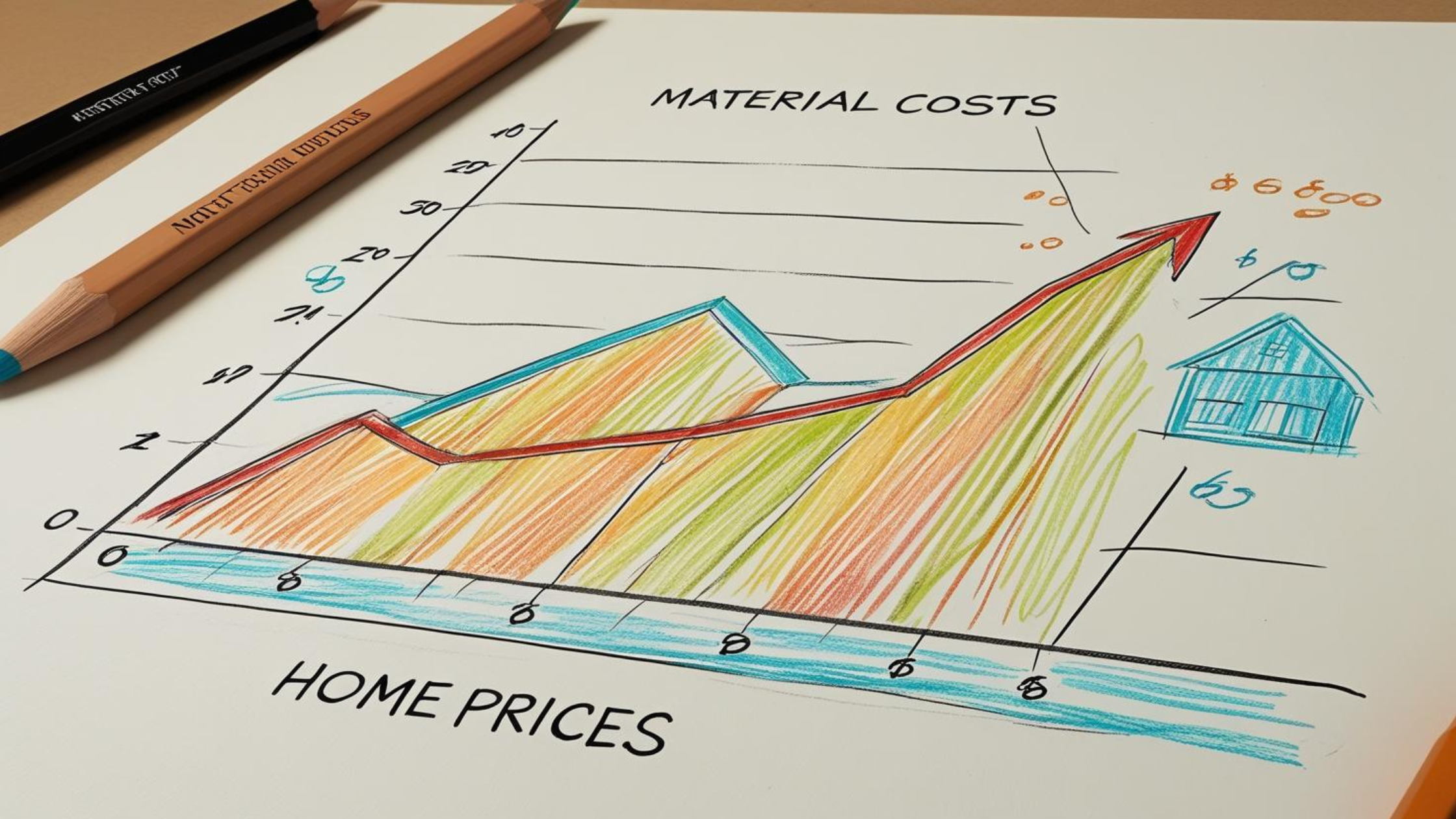
Tariffs don’t just affect your renovation budget; they also have a wider impact on the housing market. By increasing costs and slowing down the building of new homes, they create a scarcity of available properties. When there’s less supply and high demand, prices for both new and existing homes tend to rise. [Image: A chart showing a rise in material costs over time]
This can also contribute to overall inflation, which may lead to higher interest rates from the Federal Reserve. Higher interest rates make it more expensive for you to finance a home renovation or get a mortgage on a new property.
FAQs
Q: How much are tariffs adding to a renovation? A: A typical renovation project could see its costs increase by up to $10,000 due to tariffs on various materials.
Q: What materials are most affected by tariffs? A: Lumber, steel, aluminum, and a wide range of finished goods like cabinets, countertops, and appliances are all commonly affected by tariffs.
Q: Is it better to wait for tariffs to end before starting a renovation? A: Waiting can be risky. New tariffs could be put in place, inflation might continue, and you’ll miss the opportunity to increase your home’s value and improve your living space sooner.
Q: How can an AI-native platform help me manage my renovation finances? A: Platforms like AdvanceCM can help property managers and owners track all renovation costs, from material purchases to labor, in one place. Its financial tracking and reporting tools make it easier to stay on top of your budget, especially when costs are constantly changing.
Conclusion
Rising renovation costs are a real challenge right now, but they don’t have to stop you from improving your property. The key is to be proactive and strategic in your planning. By communicating with your contractor, getting itemized quotes, and being open to different materials, you can protect your budget.
If you’re a property manager, tracking all these details can be a lot. AdvanceCm’s AI-native platform can automate up to 90% of those repetitive tasks, letting you focus on what really matters.

Welcome to Tokeet’s Podcast — your trusted source for insights, trends, and strategies shaping the vacation rental industry. Each episode features expert interviews, data-driven analysis, and practical tips to help property managers grow their businesses, improve guest experiences, and stay ahead in a rapidly evolving market. Whether you’re new to short-term rentals or managing a large portfolio, tune in to stay informed and inspired.
Some days just don’t work for a guest arrival, whether it’s a holiday, a maintenance window, or a turnover day your team can’t cover. This episode walks through check-in and check-out restrictions, the most requested feature in AdvanceCM, now live in the Rentals module. You’ll hear how to block arrivals or departures for a date range, such as December 24 to 26, and how to allow check-ins only on the weekdays you choose. We also cover channel-specific rules, like keeping Airbnb to Friday and Saturday arrivals while direct bookings stay open through Sunday. Finally, we explain what to check before switching rules on, from existing reservations to sync time and visibility on booking sites.
Key Takeaways:
✅ Block check-ins or check-outs for any date range
✅ Limit arrivals to the weekdays you choose
✅ Set different rules for each booking channel
✅ Existing reservations stay unchanged
✅ More restrictions mean fewer guests can book, so review rules each season
Related Links:
Company: https://www.tokeet.com/Blogs: https://www.tokeet.com/blog/Blog: Check-in and Check-out Restrictions: How to Set Them in AdvanceCM 👉 https://blog.tokeet.com/check-in-and-check-out-restrictions/
This is a public episode. If you would like to discuss this with other subscribers or get access to bonus episodes, visit podcast.tokeet.com