Why Invest in AI-Powered Smart Home Automation?
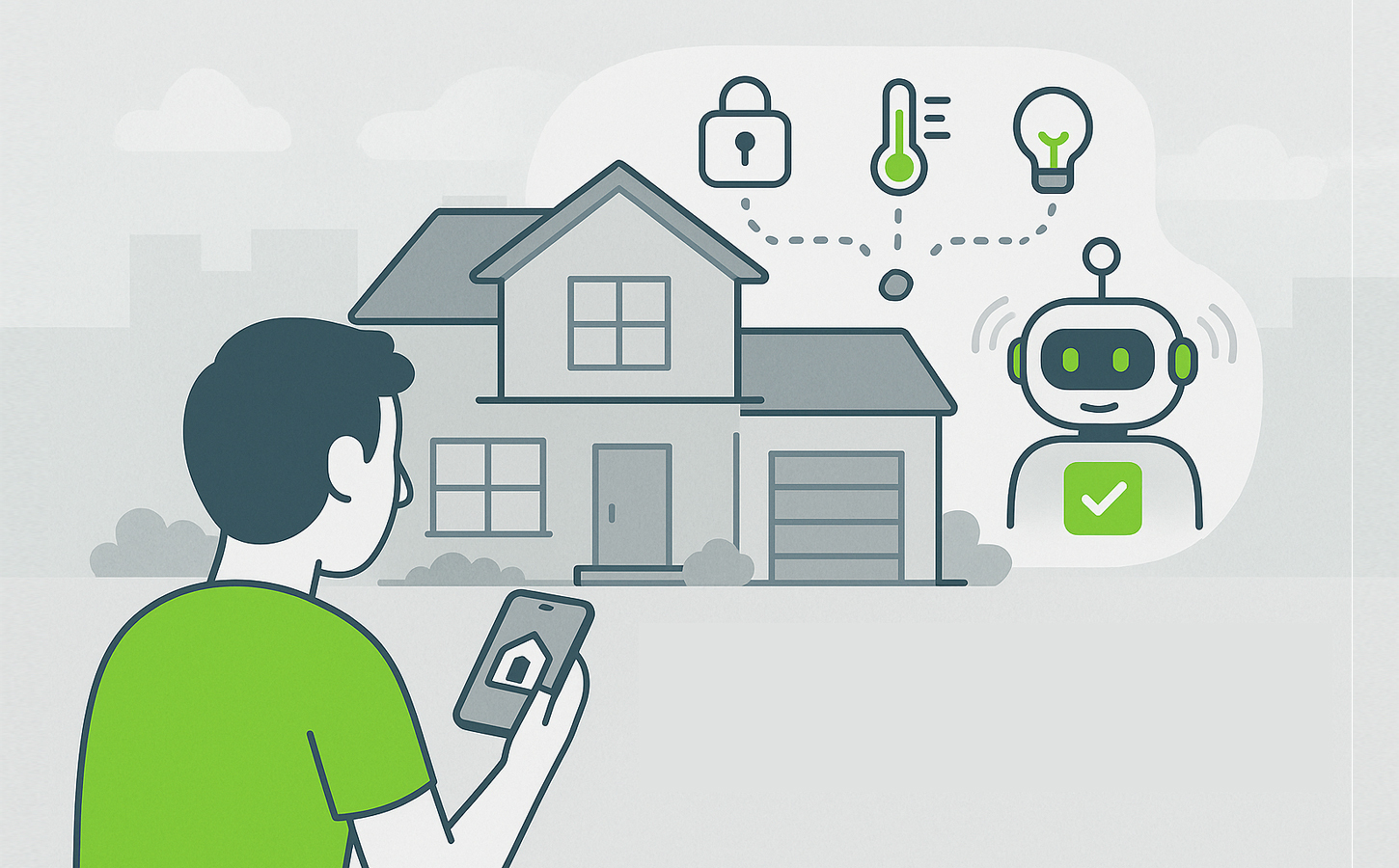
Thinking about making your property smarter? Many property owners and hosts are, and for good reason. What started as simple remote controls has grown into something far more intelligent. Today, AI Smart Home Automation is changing how we live and manage properties, turning everyday spaces into truly responsive and efficient environments. It’s not just about cool gadgets anymore; it’s about making a smart choice for better living and a better bottom line. This guide will show you why investing in this technology is a smart move.
Why Invest in AI-Powered Smart Home Automation?
The Evolution of Smart Homes: Beyond Basic Automation
Smart homes have come a long way. What once seemed like science fiction is now becoming commonplace, but the journey has been remarkable.
From Remote Control to Intelligent Living
In the beginning, smart homes meant controlling your lights with a remote or an app. It was about convenience, but you still had to tell it what to do. Now, with AI, your home can learn your habits. It can anticipate your needs and even act proactively. Imagine your lights adjusting based on the time of day and your usual routine, without you lifting a finger. That’s the power of AI at work.
The Fragmented Ecosystem Challenge
You know how it is: you buy a smart thermostat from one brand, a security camera from another, and a smart lock from a third. Soon, you have a dozen apps on your phone, and nothing talks to each other. This “fragmented ecosystem” is a real pain point for many. But integrated platforms are designed to bring all these devices together, creating one central system where everything works as one. This kind of unified approach is essential for true AI Smart Home Automation.
Unlocking Unparalleled Convenience and Comfort with AI
Imagine your home always being just right, tailored to your preferences without constant fiddling. That’s what AI-powered smart home automation brings to the table.
Personalized Environments
AI learns. It remembers how you like your living room lit for movie night or the perfect temperature for sleeping. Over time, it can adjust your lighting, climate, and even music to create a perfectly personalized atmosphere, anticipating your desires before you even think of them. This means less time managing settings and more time enjoying your space.
Automated Daily Routines
Simple tasks can become automated. For example, your smart blinds can open at sunrise and close at sunset. Your coffee maker can start brewing as your alarm goes off. If you have a garden, smart irrigation systems can water your plants only when needed, based on weather forecasts and soil moisture. It’s about taking the mundane tasks off your plate.
Voice Control and Seamless Interaction
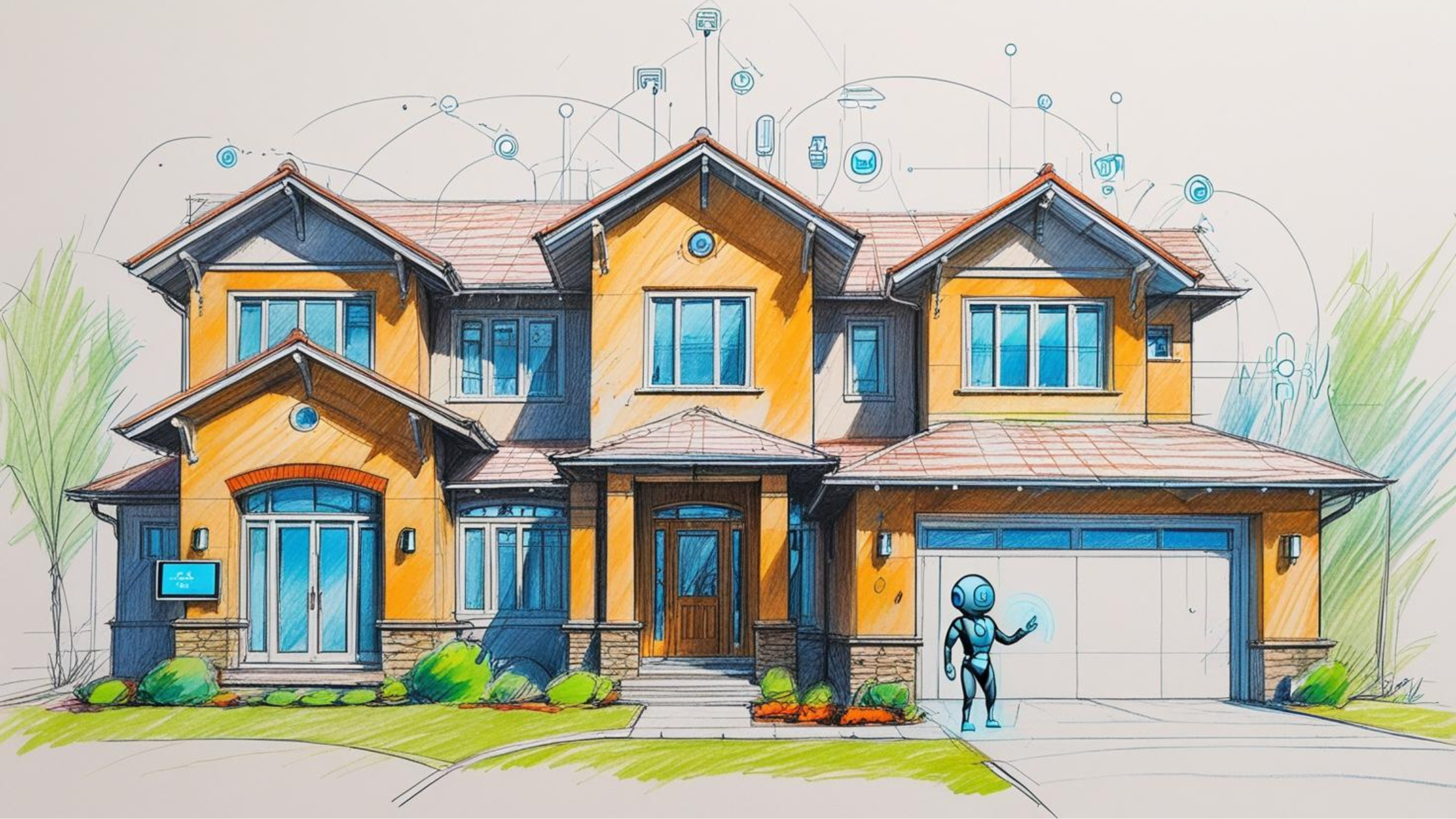
Voice assistants are a common way to control smart devices. You can simply speak a command, and your home responds. But beyond that, some systems are exploring gesture recognition, allowing for even more natural ways to interact with your environment. It makes managing your home incredibly easy.
Boosting Energy Efficiency and Sustainability
Investing in smart home automation isn’t just about comfort; it’s a smart home investment that pays off in lower utility bills and a greener footprint.
Smart Thermostats and HVAC Optimization
Smart thermostats, especially those with AI, learn your daily patterns. They know when you’re home and when you’re away and can adjust heating and cooling accordingly. They can even pull in real-time weather data to optimize energy use, making sure you’re not cooling an empty house on a surprisingly mild day. This can lead to significant energy savings, up to 22% in gas consumption according to some studies.
Intelligent Lighting and Appliance Management
Picture this: lights turning off automatically when a room is empty. Or your smart water heater adjusting its schedule based on your usage habits. These small changes, powered by AI, add up. They prevent wasted energy and help cut down your electricity and gas bills.
Real-time Monitoring and Cost Savings
Many smart home systems provide detailed reports on your energy usage. This data helps you see exactly where your energy is going and make informed decisions. By understanding your consumption patterns, you can optimize settings and schedules for even greater savings.
Fortifying Security with AI-Enhanced Smart Devices
Your peace of mind is priceless. AI-powered smart home automation offers advanced security features that go far beyond traditional alarm systems.
Proactive Threat Detection
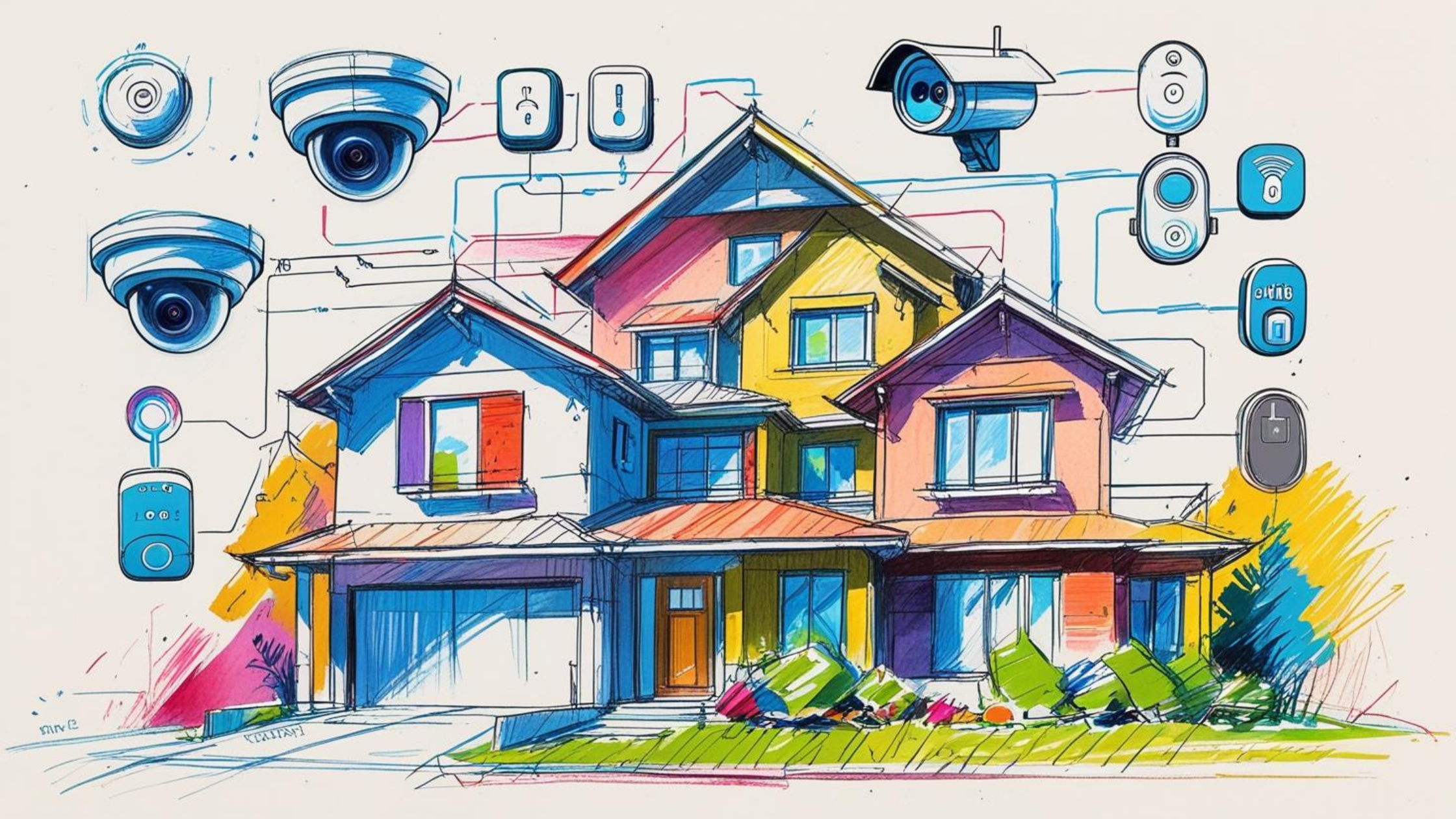
Modern security cameras can do more than just record. With AI, they can distinguish between a person, a pet, or a car. This means fewer false alarms and more precise alerts for actual threats. Some systems can even track suspicious movement, providing a clearer picture of what’s happening.
Smart Locks and Access Control
Keyless entry systems allow you to control who comes and goes, even when you’re not there. You can grant temporary access codes for guests or service providers and revoke them instantly. Some advanced smart locks even offer biometric identification, like fingerprint readers, adding an extra layer of security.
Beyond Traditional Alarms
Integrated smart security means your smoke detectors, CO₂ sensors, and even water leak detectors are all connected. If a leak is detected, the system can automatically shut off the water. If smoke is detected, not only will the alarm sound, but your lights might also turn on to help guide you out. This comprehensive approach ensures your property is protected from various threats.
Increasing Property Value and Attractiveness
Beyond the immediate benefits, investing in AI-powered smart home automation is a sound financial decision that can significantly boost your property’s market appeal.
Modern Appeal for Buyers/Renters
In today’s competitive market, properties equipped with integrated smart technology stand out. Potential guests or buyers often look for homes that offer convenience, security, and energy efficiency built-in. A smart home signals a modern, well-maintained property.
Long-term Investment Returns
The initial investment in smart home technology can yield substantial returns. The energy savings over time reduce operational costs, directly impacting profitability for property owners. Plus, enhanced security features can potentially lower insurance premiums. This makes it a compelling smart home investment.
The Strategic Advantage for Property Managers
For property managers and hosts, AI-powered smart home automation isn’t just a nice-to-have; it’s a strategic tool for efficiency and growth.
Streamlined Operations with AI-Native Platforms
Managing multiple short-term rentals can be a whirlwind of tasks. AI-native platforms are designed to automate up to 90% of repetitive chores, like sending automated messages to guests, managing invoices, and scheduling cleaning and maintenance. For property managers handling many properties, this level of automation saves immense time and resources. For example, AdvanceCM offers AI-native automation designed for large portfolios, aiming to significantly reduce repetitive tasks and free up time.
Centralized Control and Monitoring
Imagine overseeing all your properties from a single dashboard. An integrated system allows property managers to monitor device status, guest access, and security alerts across their entire portfolio, all from one place. This centralized control provides a clear overview and instant responsiveness. This smart home automation improves property management efficiency by enabling remote monitoring and centralized control across multiple units.
Data-Driven Decision Making
Smart devices constantly collect data on usage, energy consumption, and occupancy. AI processes this data to provide valuable insights. Property managers can use this information to optimize pricing, personalize guest experiences, and predict maintenance needs, leading to better operational decisions and increased profits.
Addressing the Challenges: Security, Privacy, and Interoperability
While the benefits are clear, it’s fair to consider the challenges. A professional approach to AI smart home automation involves understanding and mitigating these concerns.
The Importance of Robust Security Frameworks
Any connected system needs strong security. This means using robust encryption for data, ensuring devices are properly authenticated, and implementing strict access control. It’s about protecting both the system and the sensitive data it handles.
Data Privacy Best Practices
Smart homes collect a lot of data, from your daily routines to energy usage. It’s crucial for platform providers to be transparent about what data is collected and how it’s used. Property owners and guests should be fully aware and in control of their data privacy settings.
Overcoming Interoperability Hurdles
Because many smart devices come from different manufacturers, getting them to “talk” to each other can be tricky. Integrated platforms are key here, acting as a universal translator so that devices with different operating systems and protocols can communicate seamlessly.
FAQs
- Q1: What is AI-powered smart home automation? It’s when smart devices in your home use artificial intelligence to learn your habits, anticipate needs, and perform actions automatically, going beyond simple remote control to create a truly intelligent and responsive living environment.
- Q2: How does smart home automation save energy? It saves energy by optimizing heating, cooling, and lighting based on occupancy, schedules, and external factors like weather. It can also manage appliances to run at optimal times, reducing waste and utility bills.
- Q3: Is AI smart home automation secure? Yes, reputable systems are designed with strong security measures, including encryption, authentication, and access control. However, like any connected technology, users should follow best practices for passwords and privacy settings.
- Q4: Can smart home technology increase my property’s value? Absolutely. Smart home features enhance a property’s appeal, making it more modern, convenient, and energy-efficient, which can attract more potential buyers or guests and lead to a higher market value.
- Q5: How does AdvanceCM integrate with smart home devices?
AdvanceCM connects with various smart devices like smart locks and sensors, allowing property managers to automate access, monitor usage, and manage property functions remotely through a unified platform, streamlining operations and guest experiences.
Conclusion
Investing in AI-powered smart home automation is a clear step towards a more convenient, secure, and efficient future for any property owner or host. It’s a solution that actively improves the living experience for guests while offering significant operational benefits and a strong return on investment for managers. By bringing together convenience, enhanced security, and remarkable energy savings, intelligent automation empowers you to manage properties smarter and live better. Don’t let your properties fall behind; embrace the intelligence that AI brings to your smart home.
Welcome to Tokeet’s Podcast — your trusted source for insights, trends, and strategies shaping the vacation rental industry. Each episode features expert interviews, data-driven analysis, and practical tips to help property managers grow their businesses, improve guest experiences, and stay ahead in a rapidly evolving market. Whether you’re new to short-term rentals or managing a large portfolio, tune in to stay informed and inspired.
Some days just don’t work for a guest arrival, whether it’s a holiday, a maintenance window, or a turnover day your team can’t cover. This episode walks through check-in and check-out restrictions, the most requested feature in AdvanceCM, now live in the Rentals module. You’ll hear how to block arrivals or departures for a date range, such as December 24 to 26, and how to allow check-ins only on the weekdays you choose. We also cover channel-specific rules, like keeping Airbnb to Friday and Saturday arrivals while direct bookings stay open through Sunday. Finally, we explain what to check before switching rules on, from existing reservations to sync time and visibility on booking sites.
Key Takeaways:
✅ Block check-ins or check-outs for any date range
✅ Limit arrivals to the weekdays you choose
✅ Set different rules for each booking channel
✅ Existing reservations stay unchanged
✅ More restrictions mean fewer guests can book, so review rules each season
Related Links:
Company: https://www.tokeet.com/Blogs: https://www.tokeet.com/blog/Blog: Check-in and Check-out Restrictions: How to Set Them in AdvanceCM 👉 https://blog.tokeet.com/check-in-and-check-out-restrictions/
This is a public episode. If you would like to discuss this with other subscribers or get access to bonus episodes, visit podcast.tokeet.com