
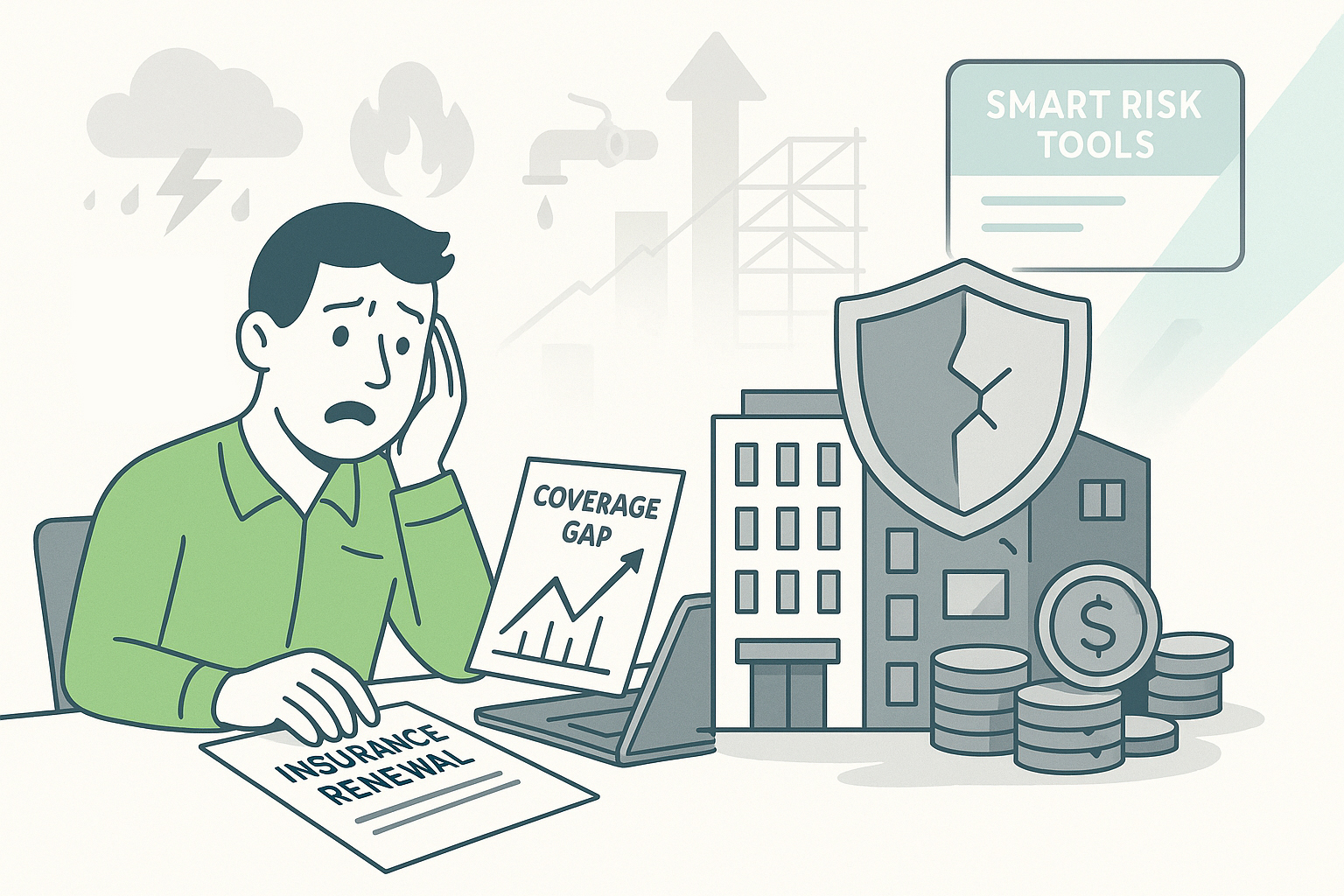
Why Commercial Property Insurance Costs Are Rising
Is your rental’s profitability being eaten away by expenses you can’t control? For property managers and owners, the numbers just don’t add up like they used to. A “perfect storm” of rising insurance costs, inflation, and market volatility is making it a lot harder to turn a profit. It’s a new reality for anyone in the short-term rental or vacation rental business, and it’s something you have to face head-on.
Commercial Property Insurance: The Rising Cost of Doing Business
The Perfect Storm: A Confluence of Cost Factors
This section breaks down the main reasons why commercial property insurance rates are getting more expensive. It’s not just one thing; it’s a mix of a lot of different pressures.
Catastrophic Events and Climate Change
Natural disasters are getting more frequent and severe. From wildfires to hurricanes, these events are causing billions of dollars in damage every year. When insurers pay out huge sums for these claims, they have to raise their rates to cover those losses. This makes it harder for everyone to find affordable commercial property insurance, especially in areas that are considered high-risk.
A Soaring Cost to Rebuild
You know that inflation is a real thing, and it’s having a huge impact on the cost of building and rebuilding. Post-pandemic supply chain issues and labor shortages have made materials and skilled workers much more expensive. This leads to a serious problem: underinsurance of commercial property. If your building’s value has gone up but your insurance policy hasn’t, you could be in a tough spot after a major event. You might not have enough coverage to rebuild and get back to business.
The Role of Social and Regulatory Pressures
It’s not only about natural disasters and building costs. Other things are adding to the pressure, too. For example, rising litigation costs (sometimes called “social inflation”) can make claims more expensive for insurers. Also, more people are moving into high-risk areas, which increases the total exposure to loss. And in some places, state regulations stop insurance companies from raising their premiums enough to keep up with their actual costs, which can make it hard for them to offer policies at all.
Are You Underinsured? Why ITV Is More Critical Than Ever
Now that you know what’s driving up costs, it’s time to ask a critical question: is your property adequately covered? Many property managers and owners are finding that their current policies are not enough to protect their investments.
A comprehensive guide explains the essentials of commercial property insurance, including coverage types, risk factors, and cost management strategies.
Understanding Underinsurance
Underinsurance happens when your property’s coverage limit is less than the cost to fully rebuild it. This is a major risk, especially when the cost of materials and labor keeps changing. If you suffer a total loss, you might be left with a major financial gap. Even worse, some policies have a coinsurance clause, which can penalize you for being underinsured by reducing the amount you’re paid on a claim. It’s a very real threat to your bottom line.
According to experts at ACS Financial, other factors like reinsurance costs and stricter underwriting standards are also playing a huge role. They recommend that property owners and managers actively engage in risk mitigation and work with a trusted broker to provide detailed risk information to insurers.
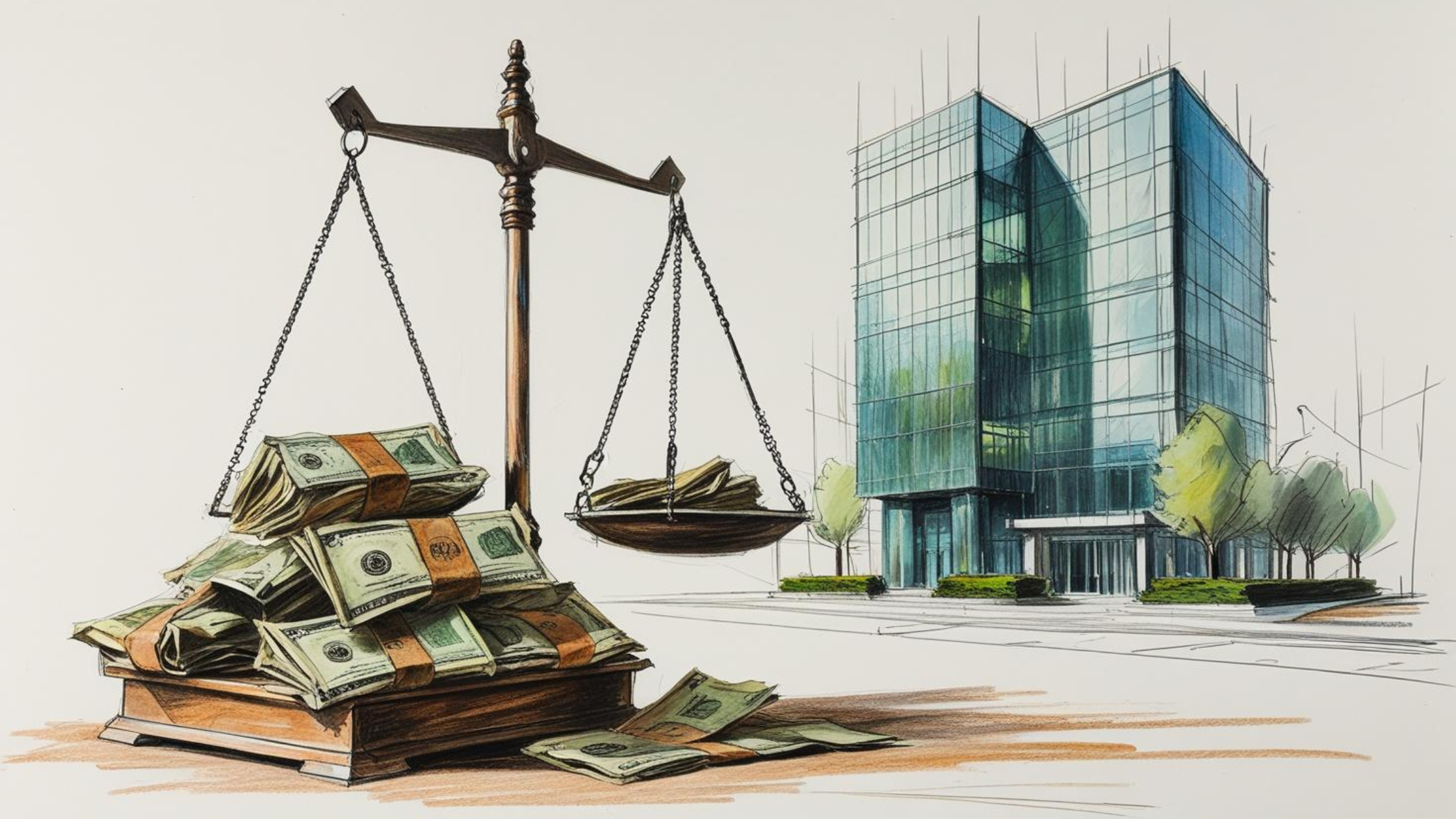
Strategies for Navigating a Hard Market
It’s easy to feel helpless when faced with rising costs, but there are things you can do to take back control. The best approach is to be proactive and focus on strategies that can help you reduce expenses and increase revenue.
The Importance of Accurate Valuations
The first step is to get an accurate, up-to-date valuation of your property. Don’t rely on an old estimate; get a professional opinion on the current cost to rebuild. This is the only way to make sure your commercial property insurance actually covers you. Work with an expert who understands today’s market, inflation, and rebuilding costs.
Operational Efficiency as a Shield
In a hard market, every dollar counts. One of the best ways to combat rising insurance costs is to improve your operational efficiency. When you run your business more smoothly, you can reduce expenses and free up resources. For example, you can streamline guest communication, automate tasks, and optimize your pricing. These actions directly increase your profit margins, which can help offset rising costs. For an in-depth look at how to get more done with less.
The Future of Property Management Is AI-Native
The modern property manager needs modern solutions to solve modern problems. The good news is, technology can help. The future of property management is AI-native, and it can put your portfolio on autopilot, giving you the control you need.
Putting Your Portfolio on Autopilot
Platforms like AdvanceCM are designed to handle the repetitive, time-consuming tasks that hold you back. An AI-native platform can automate up to 90% of your daily workload. This means things like messaging guests, creating invoices, and managing tasks can happen on their own. By streamlining these operations, you not only reduce your staffing costs but also improve your guest experience, leading to better reviews and higher occupancy.
Dynamic Pricing for a Dynamic Market
With all the financial pressure you’re under, you need a way to maximize every booking. Dynamic pricing tools can help you do just that. They analyze market data in real time to adjust your rental rates for maximum profit. This directly addresses the pain point of rising expenses. By using dynamic pricing, some hosts have been able to increase their nightly rates by up to 23%, providing a vital revenue stream to combat rising costs, including potential underinsurance commercial property issues. AdvanceCM offers a comprehensive tool that helps property owners, hosts, and managers increase revenue and keep up with a hard market.
Take your profits further with less effort. Book a free AdvanceCM demo and see how our AI-native platform keeps your rentals running on autopilot.
FAQs
Q: What is a “hard market” for insurance? A hard market is when insurance companies have less capacity to take on risk. This leads to higher premiums, stricter underwriting guidelines, and less available coverage.
Q: How often should I re-evaluate my property’s valuation? You should have your property’s valuation reassessed at least once a year, and more often if you make major renovations or if your local market experiences significant changes.
Q: How can technology help me manage rising costs? Technology can help by automating tasks to increase operational efficiency, providing data-driven insights to optimize pricing, and streamlining communication to improve guest satisfaction and retention.
Q: Does my business location affect my insurance rates? Yes, your business location plays a significant role. Properties in areas with a higher risk of natural disasters or crime, or those without nearby fire stations or police departments, will generally have higher premiums.
Q: What is the difference between Actual Cash Value (ACV) and Replacement Cost Value (RCV) in a policy? Actual Cash Value (ACV) pays for the depreciated value of your property, while Replacement Cost Value (RCV) pays the full cost to replace the property with new, similar materials, without considering depreciation. RCV is generally more expensive but provides better protection against rising rebuilding costs.
Conclusion
Navigating the current real estate market is tough, but it’s not impossible. By understanding the key drivers of rising costs and proactively managing your properties, you can shield your investments from financial risk. The future of property management isn’t about simply reacting to challenges; it’s about embracing tools and strategies that help you thrive. By taking control of your operational efficiency and revenue streams, you can ensure that your rental business remains profitable, no matter what the market throws at it. Investing in the right technology is one of the smartest decisions you can make to protect your business and prepare for what’s ahead, especially when facing the rising cost of commercial property insurance.
Welcome to Tokeet’s Podcast — your trusted source for insights, trends, and strategies shaping the vacation rental industry. Each episode features expert interviews, data-driven analysis, and practical tips to help property managers grow their businesses, improve guest experiences, and stay ahead in a rapidly evolving market. Whether you’re new to short-term rentals or managing a large portfolio, tune in to stay informed and inspired.
Some days just don’t work for a guest arrival, whether it’s a holiday, a maintenance window, or a turnover day your team can’t cover. This episode walks through check-in and check-out restrictions, the most requested feature in AdvanceCM, now live in the Rentals module. You’ll hear how to block arrivals or departures for a date range, such as December 24 to 26, and how to allow check-ins only on the weekdays you choose. We also cover channel-specific rules, like keeping Airbnb to Friday and Saturday arrivals while direct bookings stay open through Sunday. Finally, we explain what to check before switching rules on, from existing reservations to sync time and visibility on booking sites.
Key Takeaways:
✅ Block check-ins or check-outs for any date range
✅ Limit arrivals to the weekdays you choose
✅ Set different rules for each booking channel
✅ Existing reservations stay unchanged
✅ More restrictions mean fewer guests can book, so review rules each season
Related Links:
Company: https://www.tokeet.com/Blogs: https://www.tokeet.com/blog/Blog: Check-in and Check-out Restrictions: How to Set Them in AdvanceCM 👉 https://blog.tokeet.com/check-in-and-check-out-restrictions/
This is a public episode. If you would like to discuss this with other subscribers or get access to bonus episodes, visit podcast.tokeet.com