
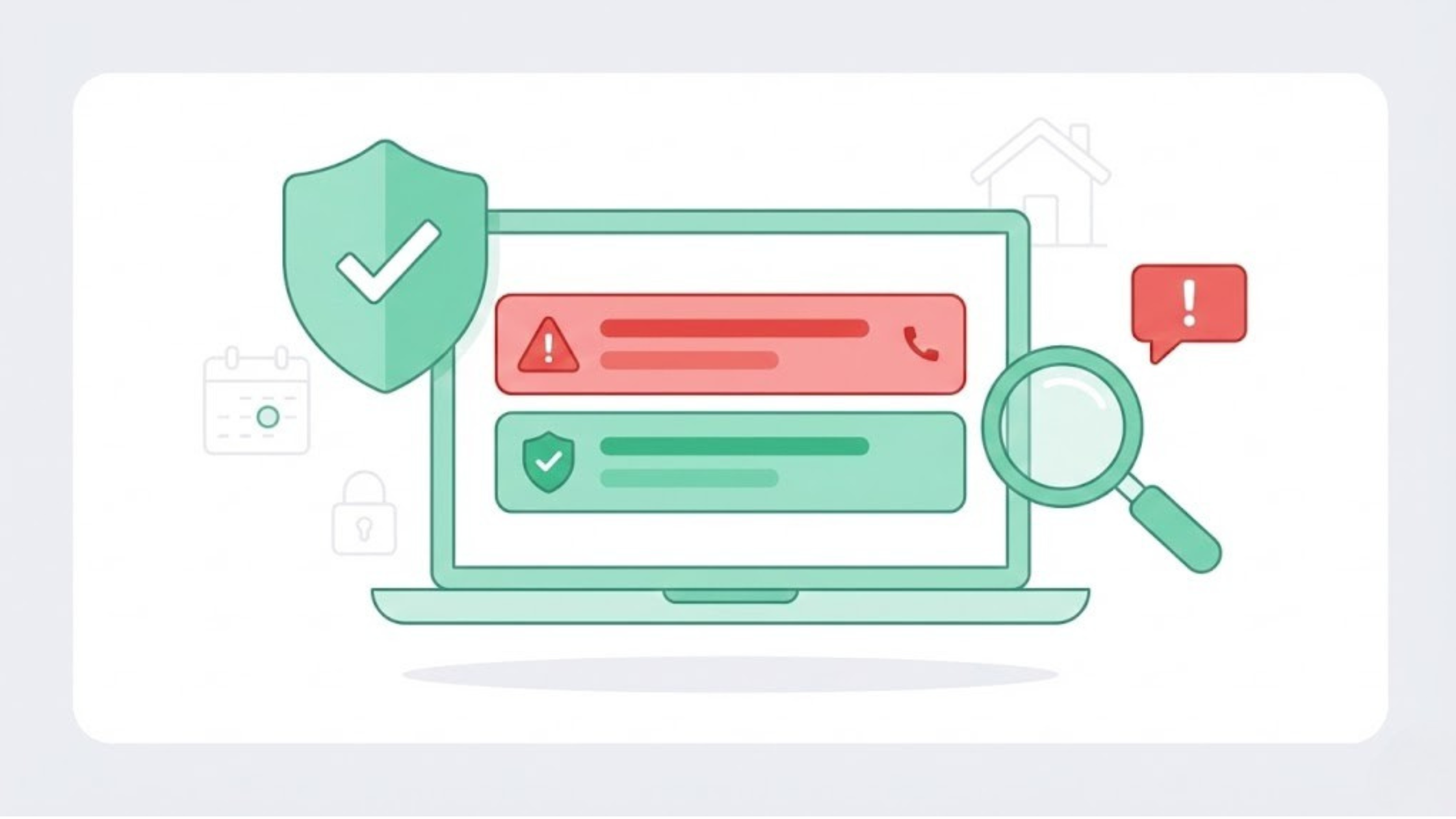
Vrbo host safety feels theoretical right up until your first “too good to be true” inquiry hits your inbox. One minute you’re excited about a long stay from a “traveling nurse,” and the next they’re asking for your cell number and offering to pay by check. Many new hosts only realize this after reading threads from other Vrbo hosts describing the exact same “traveling nurse” pitch and fake urgency around missing messages. As a new host, you don’t want to lose a real booking by being “too suspicious,” and scammers know exactly how to use that fear. Their goal isn’t to rent your place; it’s to test how quickly you’ll step outside Vrbo’s rules.
This guide turns real Host stories and Vrbo’s own safety guidance into a simple threat brief you can use from day one. You’ll see the five most common Vrbo scam red flags, then get a short, repeatable response script for every shady message. We’ll connect your own rules to Vrbo’s trust and safety standards so you’re not guessing when to say no. Follow the patterns, not the panic, and you’ll protect your calendar, your identity, and your reviews.
See the steps →
Why New Vrbo Hosts Are Prime Targets
New listings are the softest targets in the marketplace, which makes Vrbo host safety a priority from your very first inquiry. You may have no reviews yet, you’re still learning how the inbox and rules work, and you’re eager not to “scare off” a guest who seems serious. Scammers filter for exactly that profile: fresh listing, responsive host, lots of open dates. They know a new owner is more likely to bend the rules just once to land that first “big” booking.
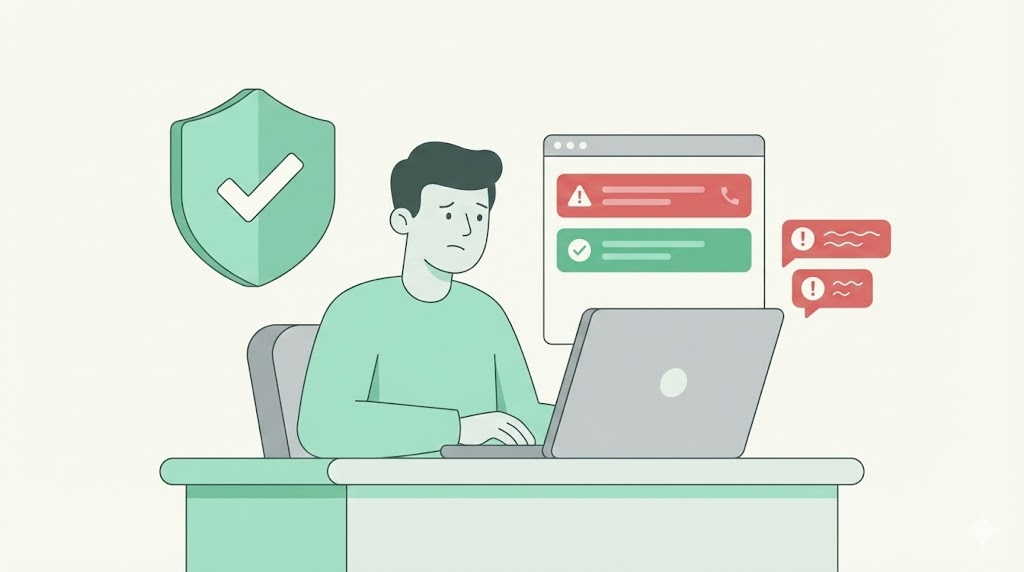
New hosts feel the pressure to say yes fast, which is exactly what scammers rely on.
Vrbo does a lot behind the scenes to remove bad actors, filter harmful messages, and give hosts reporting tools, but it can’t stop every attempt before it hits your inbox. When a scammer claims, “Vrbo keeps deleting my messages,” they’re often twisting normal moderation into a convenient story. Your job is to treat yourself as the final security layer and assume a strange inquiry is testing your Vrbo host safety habits, not just making small talk, until it proves otherwise.
Before:
- Reply to every inquiry as fast as possible so you “don’t lose the booking.”
- DM screenshots to friends or groups asking, “Does this look legit? ”
After:
- Scan each new inquiry against a short checklist of patterns before you reply.
- Follow the same reply-and-report script every time something feels off.
5 Vrbo Scam Red Flags New Owners Miss
Scam messages rarely look like obvious spam; they read like polite, slightly stressed guests with believable stories. What they’re really doing is probing whether you know and respect the rules that protect Vrbo host safety. Security and consumer protection experts see the same patterns across rental fraud: vague backstories, pressure, and attempts to move money into channels that are harder to trace or reverse. Once you know the patterns, the tactics stop feeling mysterious.

Most scams reuse the same five patterns, so a simple checklist goes a long way.
Here are the five Vrbo scam red flags to watch for as a new host:
- Pressure to move off-platform with lines like “Vrbo keeps deleting our messages; what’s your cell? ” or “email is easier,” which bypasses Vrbo’s protections.
- Targeting you as a brand-new host, often with over-the-top enthusiasm for a listing that just went live.
- A familiar but vague backstory, such as a “traveling nurse at the hospital for a few months” with no contract length or hospital name.
- Old or “verified” guest profiles used as a prop, as if account age proves intent.
- Hints at unusual payment methods, including checks, wires, or requests for your billing address instead of paying through Vrbo, exactly the setup the FTC consumer advice on fake check scams warns about in classic overpayment schemes.
If you see two or more of these Vrbo scam red flags in the same conversation, treat it as a direct threat to Vrbo host safety, not a booking you should try to “save.”
How to Handle a Suspicious VRBO Inquiry in 6 Steps
Now that you know the five Vrbo scam red flags, you need a quick way to react when one drops into your inbox. This is the heart of Vrbo host safety for new owners: a process you can run in under a minute, even on your phone. It lines up with Vrbo’s guidance to keep communication and payments inside the platform, where support can actually help you if something goes wrong. Scam experts and consumer advocates say the win is simple: have a rule, and stick to it.
Run every weird inquiry through the same six-step script in one smooth pass:
- Pause and don’t reply instantly, even if the message sounds generous or urgent.
- Scan for Vrbo scam red flags like off-platform pressure, vague long stays, or talk of checks and wires.
- Reply only inside Vrbo with a firm line such as “For everyone’s protection, I only communicate and accept payment through Vrbo.”
- Decline all offers to pay by check, wire, or direct transfer, no matter how much they insist it’s “safer” for them.
- Use Vrbo’s report or spam tools on the conversation so the platform can investigate.
- Block the guest and move on without arguing so you protect the business instead of debating a stranger.
Suggested reply you can copy:
“For everyone’s protection, I only communicate and accept payment through Vrbo.
If you’d like to book, please send your request and payment through the platform.”
Try it on one property. →
Start with one property.
Turning Vrbo Host Safety Into a Daily Workflow
It’s easy to miss patterns when messages are scattered across tabs, apps, and channels, which is why Vrbo host safety works best when everything flows through one clear workflow. When Vrbo, Airbnb, direct bookings, and emails all live in separate places, you’re asking your brain to remember rules instead of letting a system carry them. A tool like the AdvanceCM channel manager pulls calendars and guest messages from dozens of channels into one place so you can apply the same safety checks everywhere in a single unified inbox.
You can tag suspicious threads, pin active conversations, and keep a clear history of who said what on which channel so your Vrbo host safety rules are baked into your daily routine. Once messages are centralized, you can create standard templates that always steer guests back to on-platform communication and payments. Tags like “possible scam,” brief notes on odd behavior, and small rules such as “never share personal contact details before booking” turn Vrbo host safety into a predictable process instead of a case-by-case judgment call. Vacation rental management software such as AdvanceCM helps you keep those rules consistent across Vrbo and every other channel, even when multiple properties and team members are involved.
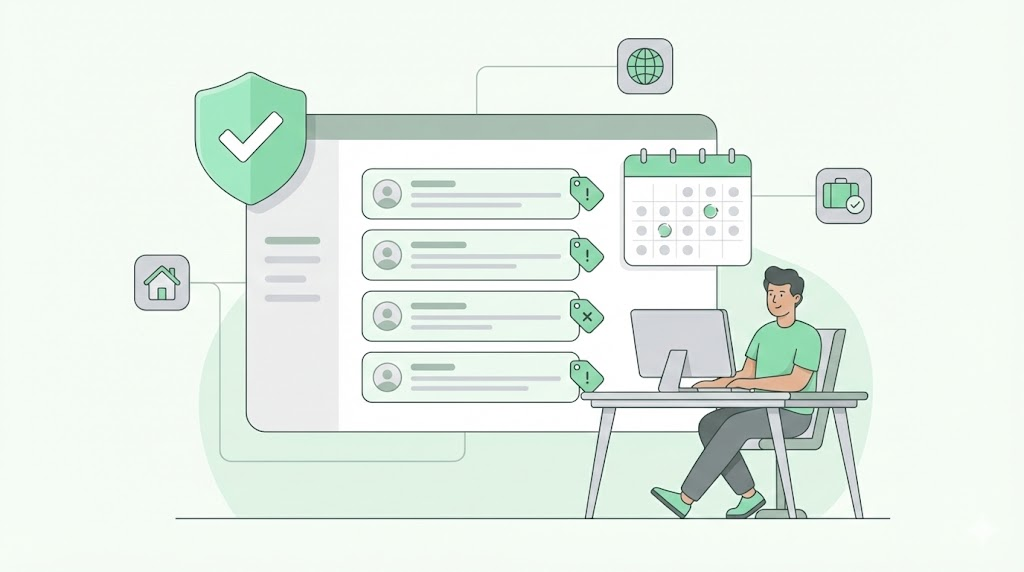
Centralising your inbox in AdvanceCM makes it easier to spot risky messages and stay on-platform everywhere.
On-Site Safety That Backs Up Your Vrbo Host Safety Story
Scam protection is only one piece of Vrbo host safety; the other piece is how safe and prepared your property is once real guests arrive. Vrbo’s guidance encourages hosts to focus on basics like working smoke and carbon monoxide alarms, fire extinguishers in visible locations, and clear notes about how to reach emergency services and local authorities. You’ll find those basics laid out clearly in Vrbo’s own safety tips for hosts, which make a great checklist when you’re setting up or auditing a property.
You can build on that base with simple touches guests actually use: a short “in case of emergency” card near the entrance, clear instructions for heaters and fireplaces, and a quick diagram of exits in multi-level homes. Identity theft and security specialists, including LifeLock’s rental scam guidance, also stress limiting how much personal information you give out and making sure people you deal with are who they claim to be, good rules for screening guests as well as rentals. The more your property clearly reflects strong Vrbo host safety habits, the easier it is to stand firm when someone pushes for off-platform deals, side payments, or other risky behavior. Guests who can see you run a safety-first property are far less likely to push for side deals or cash “arrangements” in the first place.
Conclusion
Vrbo host safety comes down to one rule you never break: real guests stay inside the platform for both communication and payment. If you memorize the five Vrbo scam red flags and run every strange inquiry through your six-step script, scammers will quietly disqualify themselves the moment they realize you won’t step outside that line.
When you combine that mindset with a clear workflow in tools like AdvanceCM and the protections in Vrbo’s trust and safety policies, you protect both your income and your identity without living in fear. Check your current setup against these habits, and review AdvanceCM pricing when you’re ready to tighten your safety workflow across every channel.
Turn it on →
FAQs
Q: How do I know if a Vrbo inquiry is a scam?
A: Watch for Vrbo scam red flags like pressure to move off-platform, vague long-term stories, and any mention of checks or wires instead of normal payment. If two or more show up in one thread, treat it as a Vrbo host safety issue, reply only inside Vrbo, refuse special payment requests, and report the guest.
Q: Is it ever safe to accept checks or bank transfers from Vrbo guests?
A: No, fake check and overpayment scams are common whenever someone sends you a check and asks you to send money back. Keeping all money flows inside Vrbo’s system is the simplest way to cut off that entire scam category.
Q: What should I do if I already gave my phone number to a suspicious guest?
A: Stop texting, move the conversation back to the Vrbo inbox, and clearly say you only communicate and accept payment through the platform. Then report the inquiry, block the account, and keep an eye on your email and financial accounts for anything unusual.
Q: Does Vrbo protect me if a scammer targets my listing?
A: Vrbo offers tools to report misconduct, enforce house rules, and support hosts when platform policies are broken, but it can’t catch every scam attempt before it reaches you. Your own Vrbo host safety workflow, staying on-platform, refusing outside payments, and reporting quickly, is a crucial part of the protection stack.
Q: How can a channel manager help with scam prevention on Vrbo?
A: A channel manager keeps your Vrbo, Airbnb, and other bookings and messages in one place so you can apply the same checks and templates everywhere. That central view makes it easier to spot Vrbo scam red flags early, follow your six-step script, and keep your rules consistent across every property and channel.

Welcome to Tokeet’s Podcast — your trusted source for insights, trends, and strategies shaping the vacation rental industry. Each episode features expert interviews, data-driven analysis, and practical tips to help property managers grow their businesses, improve guest experiences, and stay ahead in a rapidly evolving market. Whether you’re new to short-term rentals or managing a large portfolio, tune in to stay informed and inspired.
Some days just don’t work for a guest arrival, whether it’s a holiday, a maintenance window, or a turnover day your team can’t cover. This episode walks through check-in and check-out restrictions, the most requested feature in AdvanceCM, now live in the Rentals module. You’ll hear how to block arrivals or departures for a date range, such as December 24 to 26, and how to allow check-ins only on the weekdays you choose. We also cover channel-specific rules, like keeping Airbnb to Friday and Saturday arrivals while direct bookings stay open through Sunday. Finally, we explain what to check before switching rules on, from existing reservations to sync time and visibility on booking sites.
Key Takeaways:
✅ Block check-ins or check-outs for any date range
✅ Limit arrivals to the weekdays you choose
✅ Set different rules for each booking channel
✅ Existing reservations stay unchanged
✅ More restrictions mean fewer guests can book, so review rules each season
Related Links:
Company: https://www.tokeet.com/Blogs: https://www.tokeet.com/blog/Blog: Check-in and Check-out Restrictions: How to Set Them in AdvanceCM 👉 https://blog.tokeet.com/check-in-and-check-out-restrictions/
This is a public episode. If you would like to discuss this with other subscribers or get access to bonus episodes, visit podcast.tokeet.com