

Vacation rental guest screening is one of the most critical, and often overlooked, parts of hosting. Whether you manage a single unit or a full portfolio, the guests you welcome shape your reputation, reviews, and profitability. The right process prevents property damage, minimizes disputes, and ensures smoother communication. Many hosts say that knowing who is booking matters just as much as when they book, especially when comparing VRBO vs. Airbnb for hosts.
This guide explores practical strategies for better vacation rental guest screening across both platforms. You’ll learn how experienced hosts gather the right information, the key differences between Vrbo and Airbnb, and how pricing, automation, and settings can help you attract reliable, respectful guests.
Why Vacation Rental Guest Screening Matters More Than Ever
As short-term rentals continue to grow, hosts face more uncertainty about guest behavior. Privacy policies have reduced the amount of personal information visible on booking platforms, so vacation rental guest screening now depends heavily on your own diligence. Evaluating tone, responsiveness, and intent through messages has become an essential part of risk management.
In my experience managing multiple properties, every extra step of verification pays off. Checking group size, travel purpose, and acknowledgment of house rules takes minutes but prevents last-minute cancellations or costly damage. The result is not just fewer issues, but happier, more communicative guests who understand your expectations from the start.
Vrbo vs. Airbnb for Hosts: Comparing Guest Info and Support
When analyzing VRBO vs. Airbnb for hosts, the contrast in guest visibility is immediate. Vrbo profiles are often sparse, many show no reviews or join date, while Airbnb typically lists past ratings, verified IDs, and prior stay history. This difference shapes how you screen and decide whether to approve a booking.
Vrbo hosts often describe their guests as more mature and rule-abiding, while Airbnb’s broader audience brings both great travelers and occasional challenges. Vrbo’s support team is viewed as more understanding toward hosts, whereas Airbnb’s system sometimes favors guests in disputes. Each platform requires a slightly different screening mindset, but the principles remain the same: clear communication, careful review, and consistent boundaries.
Key Comparison Points
Vrbo’s limited data requires stronger communication and pricing filters. Airbnb provides more guest insights but can create false confidence if hosts rely solely on platform reviews.
Practical Guest Screening Steps Every Host Should Use
Even with limited data, vacation rental guest screening can be highly effective with a consistent process. Start by reading the guest’s initial message carefully. Are they specific about their plans, respectful in tone, and timely in replies? If the message is vague or evasive, send polite follow-ups before approving the stay.
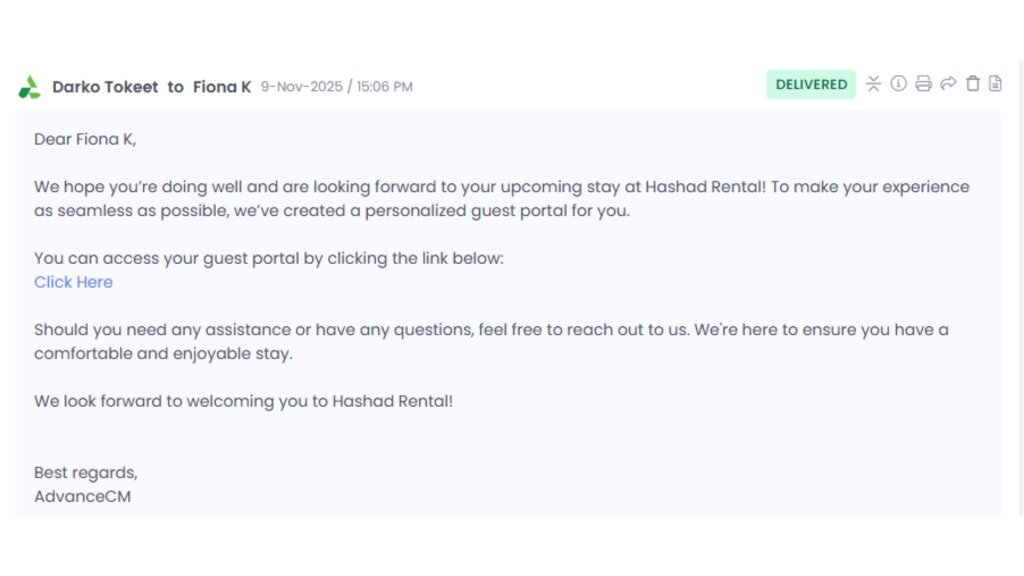
To go further, use your Unified Inbox to track all communication in one place. Ask simple, non-intrusive questions that help confirm legitimacy and expectations. Consistency here protects both you and the guest if issues arise later.
Recommended Steps
- Ask what brings them to your area and who’s traveling with them.
- Confirm pets, children, or special requests.
- Ensure they’ve read and agree to your house rules.
- Keep every exchange within your platform inbox for recordkeeping.
Pricing and Booking Settings as Screening Tools
Smart pricing is one of the most underused vacation rental guest screening tactics. Properties priced appropriately tend to attract more responsible guests, while overly discounted rates may invite high-risk or impulsive bookings. Adjust your nightly rate based on seasonality, property value, and target audience to filter naturally for the right travelers.
Your booking settings also influence guest quality. Choosing between Instant Book and Request to Book affects how much control you retain over screening. Always verify that your preferences remain intact after connecting external tools like a channel manager or advanced intelligence (AI). Some third-party systems may automatically reset settings after updates, so a quick review can prevent surprises.
Platform Setting Tips
- Recheck your instant booking and stay minimums weekly.
- Use short booking windows to prevent impulsive reservations.
- Match your rules and pricing to your property’s risk tolerance.
Tools and Automation That Simplify Screening
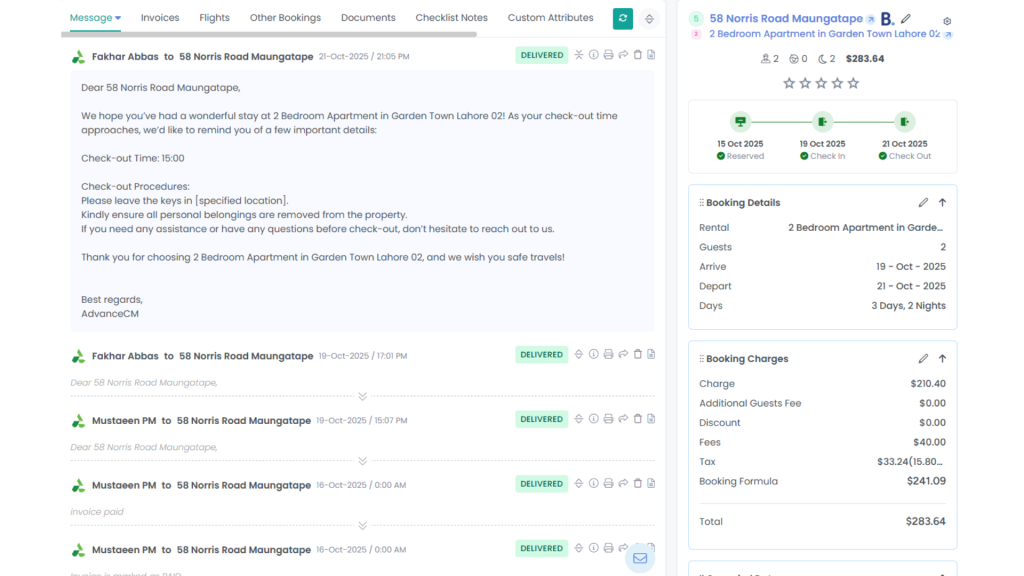
Automation helps make vacation rental guest screening faster, easier, and more consistent. Using an integrated platform like AdvanceCM, you can automate pre-booking questions, confirmations, and guest reminders. For example, Autopilot can automatically send follow-up messages or require acknowledgment of rules before approval.
Automation also ensures that every guest follows the same vetting process. This not only saves time but also creates a transparent record of all communications. According to the Consumer Financial Protection Bureau, businesses that document policies and confirmations reduce the likelihood of disputes and financial losses, advice that applies perfectly to vacation rentals.
Benefits of Automation
Automated systems send confirmations and reminders on time, ensuring guests understand expectations. They save hours of manual messaging and make your process scalable as your portfolio grows.
How Vrbo and Airbnb Hosts Build Long-Term Confidence
Whether on Vrbo or Airbnb, great hosts build confidence through consistent vacation rental guest screening. They apply the same verification and messaging structure to every booking, which eliminates guesswork. Over time, this consistency sharpens intuition and attracts repeat guests who respect your process.
Experienced hosts also analyze guest behavior trends and adjust accordingly. If one pricing range attracts better guests or certain questions improve communication, refine your system. The strongest screening processes evolve through small, steady improvements.
Host Confidence Habits
Track patterns in message tone, travel purpose, and booking source. Each insight helps refine your future screening for better-quality stays.
💬 Have your own vacation rental guest screening routine or a story comparing VRBO vs. Airbnb for hosts? Sharing it with other hosts benefit most from real-world examples and lessons learned.
Conclusion
Effective vacation rental guest screening protects your time, property, and reputation. With Vrbo’s limited guest data and Airbnb’s changing policies, hosts who stay proactive enjoy smoother operations and fewer surprises. Clear communication, thoughtful pricing, and smart automation create a guest experience built on mutual respect.
Research from the Cornell Center for Hospitality Research shows that transparent screening practices strengthen guest trust and encourage repeat stays, an insight supported by thousands of successful property managers. When you’re ready to streamline your system, explore AdvanceCM Pricing to see how automation tools can enhance your communication, verification, and booking workflow all in one place.
FAQs
- How can I screen guests on Vrbo with limited profiles?
A: Ask polite, targeted questions about their trip purpose and group size. Experienced Vrbo hosts say tone and responsiveness reveal more than reviews. - Does Airbnb provide better guest visibility than Vrbo?
A: Usually yes, Airbnb includes more profile details and reviews, but every host should still follow their own vacation rental guest screening checklist for consistency. - What’s the safest way to use Instant Booking?
A: Set strong house rules and send an automated confirmation message after every booking. That keeps guests accountable and informed before arrival. - How can pricing filter unreliable guests?
A: Pricing your rental fairly discourages impulsive bookings. Guests willing to pay value rates are typically more responsible and easier to manage. - Which tools help automate guest vetting?
A: Systems like AdvanceCM centralize messaging, confirmations, and rule acknowledgments, ensuring every guest goes through the same reliable process.

Welcome to Tokeet’s Podcast — your trusted source for insights, trends, and strategies shaping the vacation rental industry. Each episode features expert interviews, data-driven analysis, and practical tips to help property managers grow their businesses, improve guest experiences, and stay ahead in a rapidly evolving market. Whether you’re new to short-term rentals or managing a large portfolio, tune in to stay informed and inspired.
Some days just don’t work for a guest arrival, whether it’s a holiday, a maintenance window, or a turnover day your team can’t cover. This episode walks through check-in and check-out restrictions, the most requested feature in AdvanceCM, now live in the Rentals module. You’ll hear how to block arrivals or departures for a date range, such as December 24 to 26, and how to allow check-ins only on the weekdays you choose. We also cover channel-specific rules, like keeping Airbnb to Friday and Saturday arrivals while direct bookings stay open through Sunday. Finally, we explain what to check before switching rules on, from existing reservations to sync time and visibility on booking sites.
Key Takeaways:
✅ Block check-ins or check-outs for any date range
✅ Limit arrivals to the weekdays you choose
✅ Set different rules for each booking channel
✅ Existing reservations stay unchanged
✅ More restrictions mean fewer guests can book, so review rules each season
Related Links:
Company: https://www.tokeet.com/Blogs: https://www.tokeet.com/blog/Blog: Check-in and Check-out Restrictions: How to Set Them in AdvanceCM 👉 https://blog.tokeet.com/check-in-and-check-out-restrictions/
This is a public episode. If you would like to discuss this with other subscribers or get access to bonus episodes, visit podcast.tokeet.com