
Quiet Enjoyment: A Guide for Hosts & Guests
You’ve planned the perfect trip. You found a great vacation rental, checked in, and are ready to relax. But then, the music starts. Or maybe you’re a host, and you get that late-night message from a neighbor about a loud party next door. Unexpected noise can turn a great stay sour for everyone.
This guide will walk you through the concept of quiet enjoyment for guests, a fundamental principle in the world of short-term rentals. It’s more than just a phrase; it’s a promise of peace. We’ll show you, whether you’re a guest or a host, how to handle noise disputes, prevent conflicts, and ensure a smooth, positive experience for everyone involved.
Quiet Enjoyment: A Guide for Hosts & Guests
The Guest’s Perspective: Protecting Your Right to Peace
As a guest, you have a right to a peaceful and undisturbed stay in your rental. This principle, known as the quiet enjoyment law, guarantees renters the right to a peaceful stay, protects you from unreasonable noise or disturbances during your visit. It applies no matter what the rental’s listing says about it. But it’s important to understand what a “reasonable” level of noise is.
Understanding Your Rights
Think of quiet enjoyment for guests as the right to a stay free from loud, recurring disruptions. It doesn’t mean the rental will be perfectly silent. Normal sounds like footsteps from an upstairs unit or a dog barking occasionally are usually not considered violations. But if you’re dealing with a consistent issue, like loud music late every night or a neighbor’s constant hammering, then you may have a valid complaint.
A Step-by-Step Guide for Guests
If you encounter a noise issue, it’s a good idea to handle it calmly and with a clear strategy.
- Communicate with the Host First: The first step is to talk to your host. They might not even know about the problem, and a quick message can often solve it. Avoid direct confrontation with the neighbor yourself; that’s the host’s job.
- Document the Disturbance: If the problem continues, start keeping a record. Write down the dates, times, and a description of the noise. This is your evidence. You can also take a video recording to show the host, which can be very helpful.
- Use the Right Channels: If your host is unresponsive or can’t fix the problem, use the official communication channels of the platform you booked through. This creates a formal record and gives you a path to a resolution.

The Host’s Perspective: Upholding the Promise of Peace
As a host, it’s your responsibility to provide a safe and peaceful environment for your guests. This not only protects your guests but also your property’s reputation. Knowing how to handle noisy guests is a key skill. It helps you manage your property and keep neighbors happy.
Creating a Proactive Noise Policy
The best way to handle noise is to prevent it before it starts. The Primior Group found that properties with clear noise policies have happier residents.
- Set Clear Quiet Hours: Use your house rules to set specific quiet hours, like from 10 p.m. to 8 a.m. This manages expectations from the get-go.
- Be Specific About Rules: In your house rules, be clear about what’s not allowed, such as loud parties or excessive TV volume. You can even mention that a violation could result in eviction, but make sure to use this as a last resort. We at AdvanceCm can help you create these solid policies to avoid common disputes.
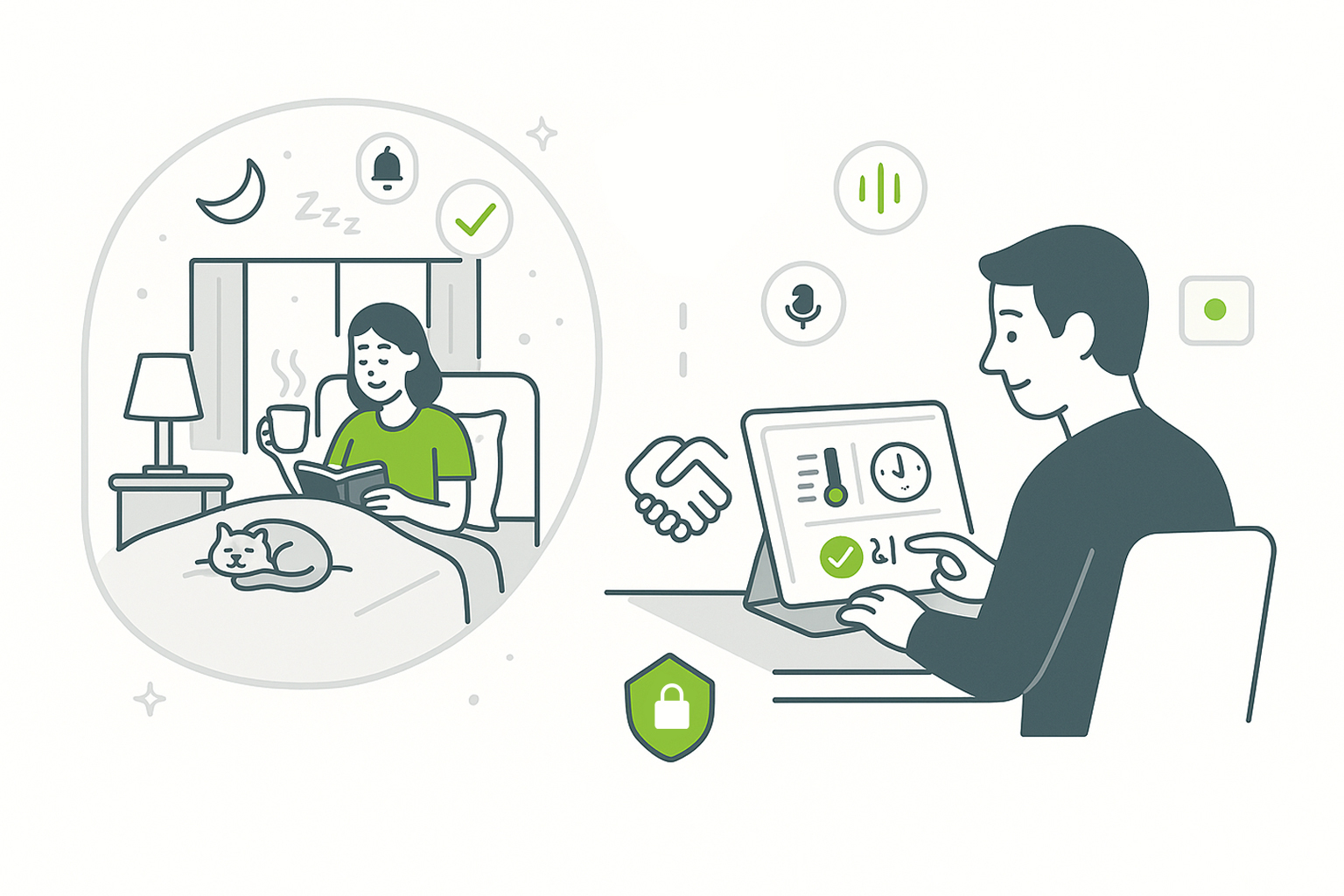
- Consider Smart Technology: Non-invasive devices can help you get alerts about high noise levels without violating anyone’s privacy.
A Step-by-Step Guide for Hosts
When a guest or a neighbor reports a noise issue, here’s how to handle it.
- Acknowledge the Complaint Promptly: When you receive a complaint, respond quickly and professionally. Show your guest that you take their concern seriously.
- Investigate and Verify: Don’t just take one person’s word for it. Review any evidence the complaining guest provides and, if possible, check with other neighbors or staff. The goal is to be fair and neutral. A unified inbox can help you track and manage all complaints.
- Communicate with the Offending Party: Once you verify the issue, politely inform the guest causing the noise about the complaint. Remind them of the house rules and avoid mentioning who complained. This approach helps you maintain a professional relationship with all your guests.
Handling Conflicts with Neighbors
Sometimes the noise isn’t coming from your guests but from a permanent neighbor. As a host, this is a different kind of challenge, but it’s one you must be ready for.
Proactive Communication is Key
Building a good relationship with your neighbors can help prevent conflicts. It takes a little effort, but it pays off in the long run. Try introducing yourself and your property to them. This makes it easier to talk to them if a problem arises.
Resolving the Conflict
If a neighbor is causing a disturbance, you have options.
- Polite, Direct Conversation: The first step is to talk to them. They may not even realize they are being disruptive.
- Escalate if Necessary: If talking doesn’t work, you might have to get their property manager involved. Make sure to provide them with the same type of detailed documentation you would expect from your guests.
The Power of Proactive Measures
The best way to handle noise is to prevent it. A proactive approach not only helps you avoid stress but also sets your property apart.
Soundproofing and Property Improvements
Consider effective soundproofing methods for vacation homes like adding rugs, thick curtains, and weather stripping around doors, which can significantly reduce unwanted noise and improve guest comfort.. These small changes can make a big difference in a guest’s experience.
Screening for the Right Guests
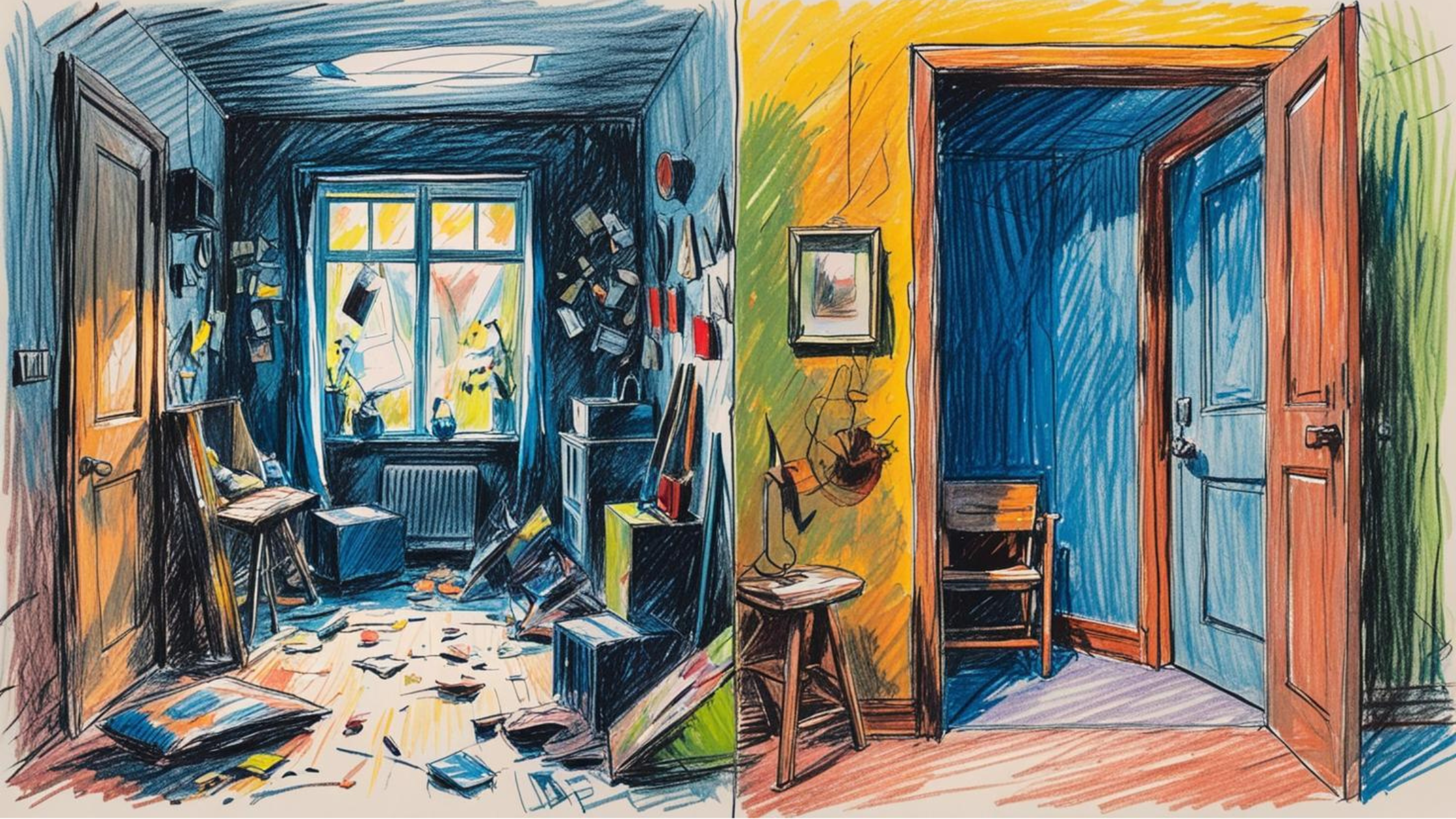
A great way to prevent problems is to make sure you’re renting to guests who are a good fit for your property. By understanding the guest screening benefits for vacation rental hosts, you can select respectful guests, minimize noise and damage risks, and protect your property’s reputation.
FAQs
What is the “right to quiet enjoyment”?
Q: It’s a legal principle that ensures a tenant or guest has the right to live peacefully in a rental without unreasonable disturbances. It is a fundamental right that exists whether or not it’s explicitly mentioned in the lease or house rules.
Q: Is a host responsible for noise made by neighbors?
Yes. Even though the host isn’t causing the noise, they are responsible for addressing it. The law gives them the power to stop a disturbance caused by another tenant. If they fail to act, they may be held responsible.
Q: What should a host do when a guest complains about noise?
A host should first listen to the complaint, then investigate its validity, and then speak with the guest causing the noise in a respectful way. They should also document all communications and actions taken.
Q: What if a guest makes a complaint about a normal noise?
Not all noise is a violation. As a host, you must determine if the noise is “substantial” and “unreasonable.” If it is not, you should tactfully explain this to the guest and provide any documentation needed to support your position.
Q: How can a host prevent noise complaints from happening?
The best approach is to be proactive. A host can create a clear noise policy in their house rules, set specific quiet hours, invest in soundproofing, and even use smart technology to monitor noise levels.
Conclusion
Whether you are a host trying to protect your property and neighbors or a guest simply seeking a peaceful stay, understanding the principle of quiet enjoyment for guests is the first step. By being proactive, setting clear expectations, and having a plan for how to handle noisy guests, you can ensure a smooth, positive experience for everyone.
By prioritizing clear communication and being prepared, both hosts and guests can avoid unnecessary conflicts and create a more harmonious short-term rental community. This will ensure that both the guests’ experience and the host’s reputation are protected.
Learn more about the solutions. Try it for free.

Welcome to Tokeet’s Podcast — your trusted source for insights, trends, and strategies shaping the vacation rental industry. Each episode features expert interviews, data-driven analysis, and practical tips to help property managers grow their businesses, improve guest experiences, and stay ahead in a rapidly evolving market. Whether you’re new to short-term rentals or managing a large portfolio, tune in to stay informed and inspired.
Some days just don’t work for a guest arrival, whether it’s a holiday, a maintenance window, or a turnover day your team can’t cover. This episode walks through check-in and check-out restrictions, the most requested feature in AdvanceCM, now live in the Rentals module. You’ll hear how to block arrivals or departures for a date range, such as December 24 to 26, and how to allow check-ins only on the weekdays you choose. We also cover channel-specific rules, like keeping Airbnb to Friday and Saturday arrivals while direct bookings stay open through Sunday. Finally, we explain what to check before switching rules on, from existing reservations to sync time and visibility on booking sites.
Key Takeaways:
✅ Block check-ins or check-outs for any date range
✅ Limit arrivals to the weekdays you choose
✅ Set different rules for each booking channel
✅ Existing reservations stay unchanged
✅ More restrictions mean fewer guests can book, so review rules each season
Related Links:
Company: https://www.tokeet.com/Blogs: https://www.tokeet.com/blog/Blog: Check-in and Check-out Restrictions: How to Set Them in AdvanceCM 👉 https://blog.tokeet.com/check-in-and-check-out-restrictions/
This is a public episode. If you would like to discuss this with other subscribers or get access to bonus episodes, visit podcast.tokeet.com