
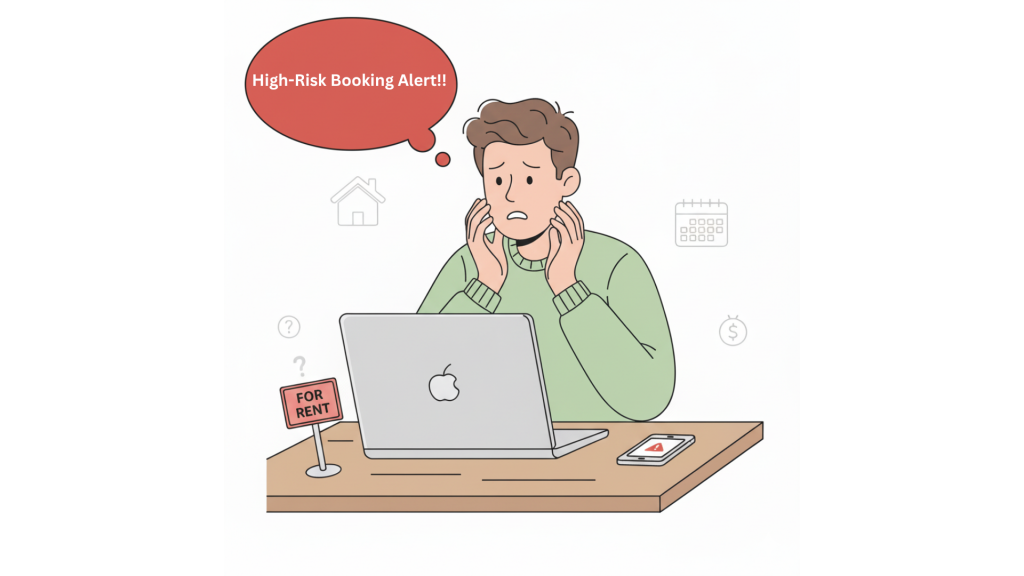
You check your email and see it: “Your property may be at risk for an unauthorized event.” Your heart sinks. The booking looked normal, two guests, business trip, standard check-in. So why is the platform flagging it as high-risk? You’re not alone in this confusion.
High-risk bookings are reservations that automated systems flag as potentially problematic, usually for concerns about unauthorized events like house parties. These alerts have become a common part of property management, but they come with challenges that many hosts aren’t prepared to handle. The system places the responsibility squarely on your shoulders to investigate, communicate, and decide whether to proceed.
This guide will help you understand what triggers these alerts, how to respond effectively, and what tools you can use to protect your property without wasting time on false alarms.
What Are High-Risk Bookings?
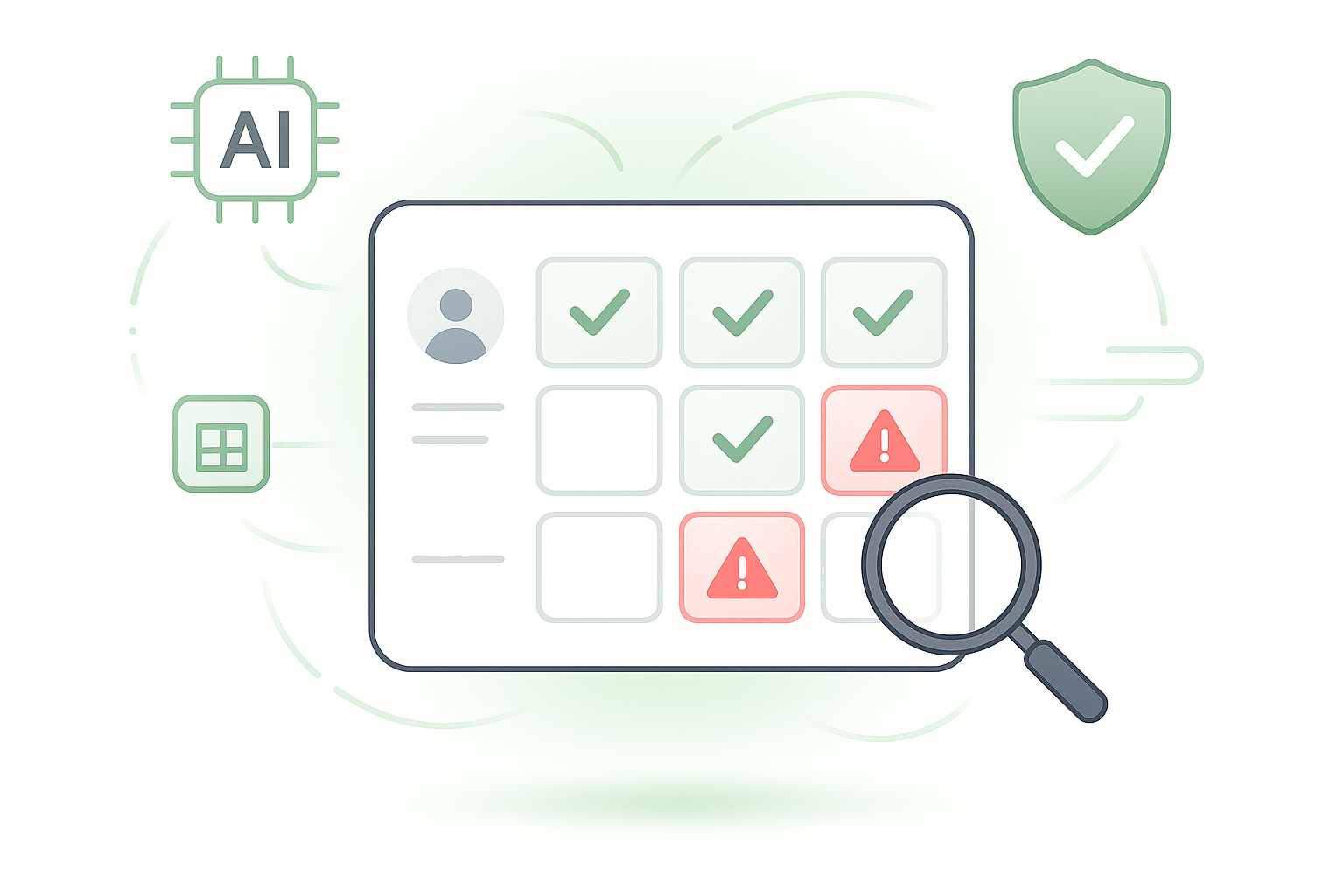
High-risk bookings are reservations identified by algorithmic systems as having a higher likelihood of resulting in disruptive incidents. These automated tools scan booking patterns, guest profiles, and reservation details to predict potential problems before they happen. When the algorithm detects certain red flags, it sends an alert directly to you, the host, to take action.
The challenge is that these systems work behind the scenes. You don’t always know exactly what triggered the flag, which makes it difficult to assess whether the concern is legitimate. One host reported receiving an alert just 15 minutes after a two-night business reservation was confirmed. The guests had never caused problems, yet the system deemed them risky.
Common Risk Factors That Trigger Alerts
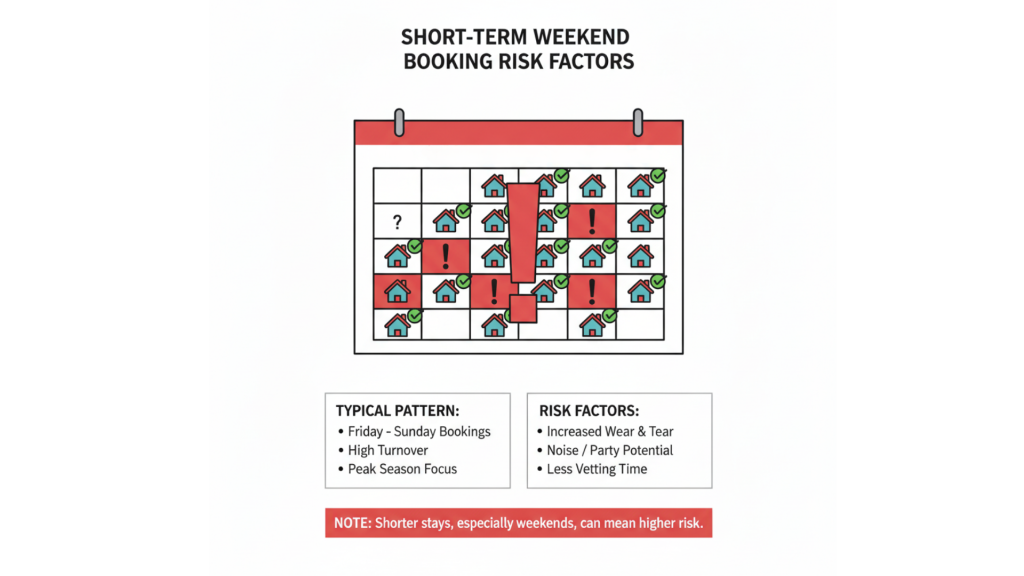
While platforms don’t publicize their exact criteria, hosts have identified patterns that commonly trigger alerts:
- Short-term stays (one or two nights, especially on weekends)
- Third-party bookings (someone other than the guest making the reservation)
- Local bookings (guests reserving properties in their own city)
- Large group sizes relative to typical occupancy
- Last-minute reservations with immediate check-in
- New guest accounts with limited or no review history
- Unusual booking patterns (multiple properties in one area)
Why Platforms Flag Bookings (And What That Means for You)
The notification system serves a dual purpose. On the surface, it appears to help you prevent problems. Dig deeper, and you’ll find it’s primarily a liability shield for the platform. By alerting you and documenting that warning, the platform shifts enforcement responsibility from their customer service team to your inbox.
This creates a tension that frustrates many hosts. You pay service fees with the expectation that the platform will help manage risk. Instead, you’re doing the detective work yourself. As one host put it, “What am I paying you for?” The platform provides the marketing reach and booking infrastructure, but when it comes to vetting potentially problematic guests, you’re on your own.
The system also includes consequences. If you receive a warning, fail to act, and an unauthorized event occurs, your listing could face suspension. This puts hosts in a difficult position, you must invest time investigating every alert, even when most turn out to be nothing.
The False Positive Problem: When Alerts Get It Wrong
Here’s the uncomfortable truth: these algorithms get it wrong frequently. Multiple hosts report that flagged bookings often result in perfectly normal stays, complete reviews, and zero issues. The system casts a wide net, and legitimate guests get caught in it regularly.
The business travelers are perplexed by the alert. The couple celebrating an anniversary who receive an ID verification request. The professional with a stellar review history was suddenly treated like a potential problem. These false positives create awkward interactions and waste your time on unnecessary vetting.
Real Stories from the Host Community
One host received a high-risk alert and immediately called the guests, who were confused about why they’d been flagged. The stay proceeded without any issues whatsoever. Another host ignored several alerts when first starting out, and those “risky” bookings resulted in four five-star reviews. A third host spent time crafting a careful message about house rules and party policies, only to host a quiet guest who barely left the property.
The pattern is clear: the algorithm prioritizes caution over accuracy. While this might catch some actual problems, it creates significant friction with guests who have no intention of causing trouble.
How to Handle a High-Risk Booking Alert
When you receive an alert, you need a clear response strategy that protects your property without alienating good guests. Your approach should balance due diligence with hospitality, you’re investigating, not interrogating.
Step-by-Step Response Protocol
Start by reviewing the booking details carefully. Look at the guest’s profile, read their reviews if available, and check whether anything genuinely seems off. Sometimes the context makes the alert make sense; other times, it’s obviously a false positive.
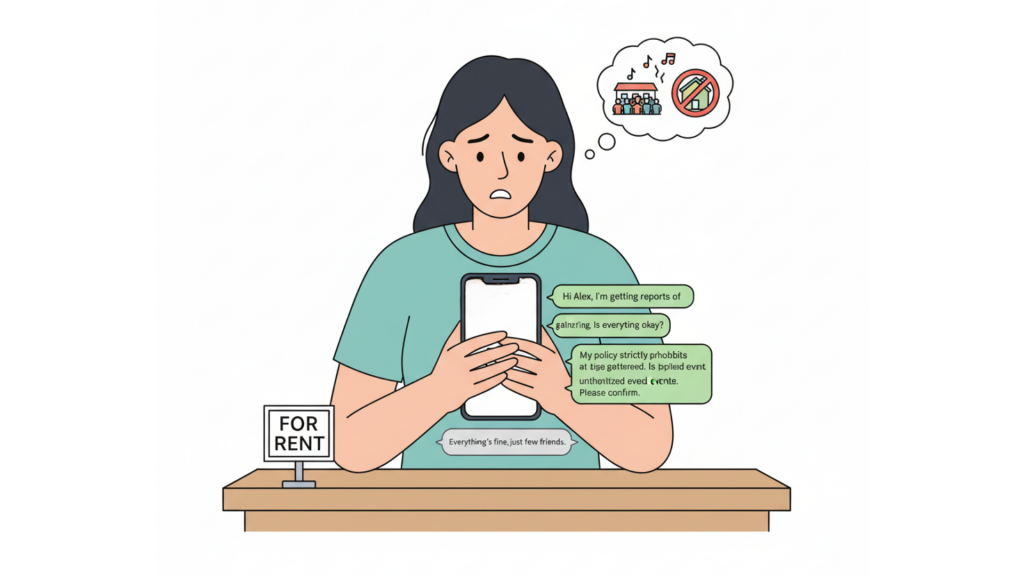
Next, reach out to the guest with a friendly message. Avoid mentioning the alert directly, frame your communication as standard verification. Ask about the purpose of their trip and confirm the number of guests. Keep the tone welcoming while making your house rules clear. Most legitimate guests will respond promptly and professionally.
Document everything. Save all communication with the guest and take screenshots of their responses. If a problem does occur, you’ll need this paper trail to demonstrate that you followed proper protocols. Tools like a unified inbox can help you manage and archive these conversations across multiple channels in one place.
Vetting Strategies That Actually Work
Beyond basic communication, consider implementing additional verification steps for flagged bookings:
- ID verification requests (with personal details blurred for privacy)
- Refundable security deposits to increase accountability
- Screening questions about trip purpose and group composition
- Phone calls for high-value or extended stays
- Review of guest history across multiple platforms
These measures create a deterrent effect. Guests planning something inappropriate will often cancel when asked to provide verification, while legitimate travelers typically comply without issue.
Prevention Tools and Technology
The most effective defense against unauthorized events isn’t reacting to alerts, it’s building systems that prevent problems before they start. Technology can help you maintain property standards without constant manual oversight.
Beyond the Alert: Building Your Defense System
Consider implementing these proactive measures:
- Noise monitoring devices that alert you to disturbances in real time (without recording conversations)
- Neighbor networks where trusted contacts can notify you of concerns
- Automated messaging that reinforces house rules before check-in
- Smart locks that create accountability through access logs
- Security cameras in exterior areas (with proper guest notification)
- Clear house rules prominently displayed in listings and welcome materials
- Minimum stay requirements for high-risk periods like holidays or event weekends
Property management platforms like AdvanceCM offer features that help you automate guest communication, track issues, and maintain consistent standards across your portfolio. These tools reduce the manual effort required to vet every booking individually.
External resources like the National Apartment Association’s guidance on short-term rental policies can help you understand industry best practices for guest screening and property protection.
What Happens If You Ignore the Warning?
Ignoring a high-risk alert carries real consequences. If an unauthorized event occurs and you didn’t take the recommended steps, your listing could face suspension or removal. The platform has documented evidence that they warned you, and you failed to act.
Beyond platform penalties, you could face property damage, neighbor complaints, local regulation violations, and even legal liability depending on what occurs. If guests cause problems that affect neighbors or violate local ordinances, you’re the one who answers for it.
The system essentially forces you to choose: spend time investigating every alert (including false positives), or risk serious consequences if the one you ignore turns out to be legitimate. Most hosts conclude that the safer path is treating every alert seriously, even when experience suggests it’s probably nothing.
According to legal experts at NOLO’s landlord-tenant law section, short-term rental hosts often face additional liability exposure compared to traditional landlords, making proactive risk management essential.
You can also explore AdvanceCM’s pricing to see how property management automation can help you handle these situations more efficiently.
📢 Join the conversation: Dealing with high-risk booking alerts? Share your experiences and strategies with other hosts on Reddit. Real hosts, real solutions.
Conclusion
High-risk bookings are a reality of modern vacation rental management. While the alert system aims to protect your property, it comes with significant drawbacks: false positives, awkward guest interactions, and responsibility that many hosts feel should belong to the platform itself.
Your best defense is a layered approach. Respond to alerts professionally, implement reasonable vetting measures, and invest in prevention technology that works regardless of what the algorithm says. Build systems that protect your property proactively rather than reactively.
Don’t let alerts create paranoia, but don’t ignore them either. Treat each one as an opportunity to verify your guest fits your property’s standards, then move forward with confidence. The goal isn’t to eliminate all risk, that’s impossible. The goal is to manage it intelligently without sacrificing your hospitality or your peace of mind.
FAQs
Q: Can I be penalized for canceling a high-risk booking?
A: No, most platforms allow penalty-free cancellation when you’ve received a high-risk alert. The guest receives a full refund, and your listing isn’t negatively affected. However, document your reasons for canceling in case questions arise later.
Q: Should I mention the alert when contacting the guest?
A: Generally no. Frame your outreach as standard verification rather than mentioning the platform flagged them as risky. This keeps the conversation positive and prevents guests from feeling unfairly targeted or offended.
Q: How accurate are high-risk booking algorithms?
A: Accuracy varies significantly. Many hosts report that the majority of flagged bookings result in normal stays with no issues. The systems prioritize caution, which means frequent false positives alongside catching genuine problems.
Q: What’s the most effective way to verify a guest’s intentions?
A: A brief phone call or video chat often reveals more than written messages. Legitimate guests will happily discuss their trip, while those planning something inappropriate usually make excuses or cancel rather than engage directly.
Q: Do I need special equipment to prevent unauthorized events?
A: Not necessarily. Clear communication, strong house rules, and responsive guest management prevent most problems. Technology like noise monitors adds an extra layer but isn’t essential for every property. Start with solid policies before investing in equipment.

Welcome to Tokeet’s Podcast — your trusted source for insights, trends, and strategies shaping the vacation rental industry. Each episode features expert interviews, data-driven analysis, and practical tips to help property managers grow their businesses, improve guest experiences, and stay ahead in a rapidly evolving market. Whether you’re new to short-term rentals or managing a large portfolio, tune in to stay informed and inspired.
Some days just don’t work for a guest arrival, whether it’s a holiday, a maintenance window, or a turnover day your team can’t cover. This episode walks through check-in and check-out restrictions, the most requested feature in AdvanceCM, now live in the Rentals module. You’ll hear how to block arrivals or departures for a date range, such as December 24 to 26, and how to allow check-ins only on the weekdays you choose. We also cover channel-specific rules, like keeping Airbnb to Friday and Saturday arrivals while direct bookings stay open through Sunday. Finally, we explain what to check before switching rules on, from existing reservations to sync time and visibility on booking sites.
Key Takeaways:
✅ Block check-ins or check-outs for any date range
✅ Limit arrivals to the weekdays you choose
✅ Set different rules for each booking channel
✅ Existing reservations stay unchanged
✅ More restrictions mean fewer guests can book, so review rules each season
Related Links:
Company: https://www.tokeet.com/Blogs: https://www.tokeet.com/blog/Blog: Check-in and Check-out Restrictions: How to Set Them in AdvanceCM 👉 https://blog.tokeet.com/check-in-and-check-out-restrictions/
This is a public episode. If you would like to discuss this with other subscribers or get access to bonus episodes, visit podcast.tokeet.com