

Setting a damage deposit for your vacation rental creates an impossible choice. Charge $50,000 and watch potential bookings disappear. Set it at $500, and you’re exposed when serious damage happens. Property managers across the industry face this exact dilemma, and getting it wrong costs money either way.
Guest damage protection requires more than just picking a number that feels right. Recent host experiences show that platform protection often falls short when you need it most, leaving gaps that can lead to years of legal battles and out-of-pocket expenses. Understanding how damage deposits fit into a comprehensive protection strategy helps you make decisions that protect your property without killing your booking rate.
The Damage Deposit Dilemma Hosts Face
The damage deposit conversation among property managers reveals a frustrating reality. One host described the core problem perfectly: trying to define “the maximum amount a guest could be charged for damage per stay.” Do you set it based on realistic catastrophic damage costs, potentially $200,000 or more, or choose a lower amount that won’t scare away bookings? Setting deposits too high creates immediate business problems. Guests see a $50,000 hold on their credit card and book elsewhere.
But setting deposits too low leaves you completely exposed. One host shared an experience where a guest fell on their property, leading to a three-year legal battle. The booking platform provided no assistance, and the situation was only resolved through the host’s business insurance. This isn’t a theoretical risk, real hosts managing real properties face these scenarios regularly, making the damage deposit amount a critical business decision that impacts both protection and profitability.

Understanding Damage Deposits vs. Guest Damage Protection
A damage deposit and comprehensive guest damage protection serve different purposes in your property management strategy. Confusion between these two concepts leaves many hosts inadequately protected while simultaneously deterring potential guests.
What a Damage Deposit Actually Covers
A damage deposit is a refundable amount held during a guest’s stay. It provides a source of funds if damage occurs, but the actual process of claiming against that deposit varies significantly across platforms.
Key characteristics of damage deposits:
- Refundable holds on guest payment methods during the stay
- Platform-specific rules for claiming against deposits (often 24-48 hour windows)
- Visible in listings and directly impacts booking conversion rates
- Administrative burden of managing holds, releases, and disputes
- Limited protection for catastrophic damage scenarios
The deposit amount appears in your listing and affects booking decisions. Research in the vacation rental industry shows that deposit requirements significantly impact conversion rates. Guests compare listings, and high deposits create booking friction even when your property otherwise stands out.
What Guest Damage Protection Includes
Guest damage protection encompasses the full spectrum of safeguards that protect your property and your business. This includes third-party verification services, damage waiver programs that guests can purchase, and insurance-backed protection products designed specifically for short-term rentals.
Comprehensive protection typically includes:
- ID verification and background screening before guest arrival
- Insurance-backed coverage exceeding typical deposit amounts
- Professional claims processing by dedicated protection services
- Damage waivers as alternatives to traditional deposits
- Integrated documentation systems for incident reporting
Modern property management systems connect these protection services directly into your operational workflow. Rather than managing deposits, verification, and insurance separately, integrated platforms handle the entire guest damage protection process from booking through checkout.
Why Platform Protection Falls Short
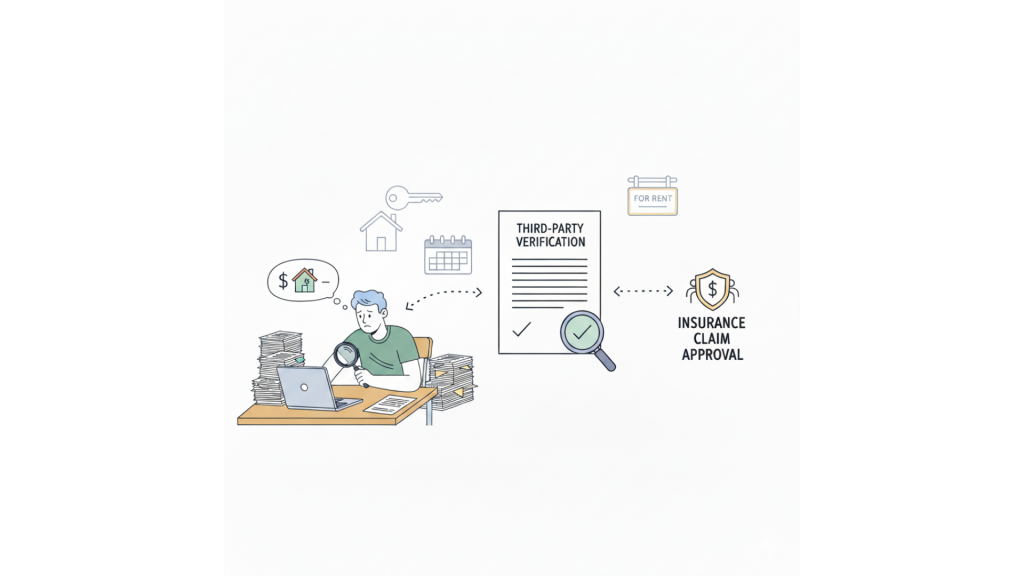
Many hosts discover too late that booking platform protection has significant limitations. Platform policies vary dramatically in what they cover and how claims get processed. Some platforms offer no reimbursement for guest-caused damages at all, requiring hosts to pursue compensation entirely on their own. Even platforms with protection programs impose strict reporting windows and coverage limitations that can disqualify legitimate claims.
One host’s experience illustrates these gaps perfectly. After a guest was injured on their property, they faced a lawsuit that stretched over three years. The booking platform that facilitated the reservation offered no support throughout the legal process. This reality forces property managers to seek third-party solutions for ID verification and damage deposit management because platform tools don’t provide sufficient protection.
The Real Cost of Setting Deposits Wrong
Your damage deposit amount impacts your business in ways that extend far beyond the actual dollar figure. Both excessive and inadequate deposits create problems that affect your bottom line.
Setting It Too High
High deposit requirements create immediate friction in the booking process. Potential guests browse your listing, see the deposit amount, and move on to competitors with more reasonable requirements. You never see these lost bookings in your analytics, but they represent real revenue walking away.
Problems with excessive deposits:
- Booking abandonment when guests see high hold amounts
- Competitive disadvantage against similar properties with lower deposits
- Negative perception that you expect problem guests
- Reduced conversion rates even with otherwise excellent listings
The psychological impact matters too. A $50,000 deposit signals to potential guests that you expect problems. Competition in vacation rentals is intense, and when guests compare similar properties, yours requires significantly higher deposits to overcome that barrier.
Setting It Too Low
Inadequate deposits create the opposite problem. When damage occurs that exceeds your deposit amount, you’re paying out of pocket for repairs or replacement. Even minor incidents can quickly surpass modest deposit amounts when you factor in professional cleaning, repairs, and lost booking revenue during the repair period.
Risks of insufficient deposits:
- Out-of-pocket repair costs exceeding deposit amounts
- Legal expenses pursuing additional compensation from guests
- Lost revenue during repair periods
- Insurance deductibles for catastrophic damage
- Premium increases after filing insurance claims
Catastrophic damage scenarios, fire, flooding, major property damage, can run into hundreds of thousands of dollars. A $1,000 damage deposit provides almost no protection in these situations. Legal exposure adds another layer of risk, as legal fees alone can exceed typical damage deposits.
Modern Guest Damage Protection Strategies
Property managers who’ve solved the deposit dilemma recognize that effective protection requires multiple layers working together. No single approach provides complete coverage, but combining strategies creates a comprehensive safety net.
Tiered Deposit Structures
Smart property managers adjust damage deposits based on property characteristics and booking details. A luxury property with high-end finishes justifies higher deposits than a basic rental. Peak season bookings or longer stays might warrant different deposit amounts than off-season weekend rentals.
Factors for tiered deposits:
- Property value and finishes (luxury vs. standard)
- Seasonal demand (peak vs. off-season)
- Length of stay (weekend vs. monthly)
- Guest capacity (2 guests vs. 12 guests)
- Property type (urban apartment vs. remote cabin)
This approach balances protection with booking conversion. You’re not applying a one-size-fits-all deposit that either overprotects simple bookings or under protects high-risk scenarios.
Third-Party Protection Services
Guest damage protection services like Safely, InsuraGuest, and similar providers offer insurance-backed protection that goes beyond simple deposits. These services typically include ID verification, background checks, and coverage amounts that can reach tens of thousands of dollars.
Benefits of third-party services:
- Professional incident management with dedicated claims teams
- Higher coverage amounts than typical deposits allow
- Risk transfer to insurance providers
- Reduced administrative work for hosts
- Better guest experience with streamlined processes
The advantage of third-party services is that they shift risk away from you while providing professional incident management. Many property managers use damage waivers as an alternative to traditional deposits, guests pay a non-refundable fee that provides insurance-backed coverage, eliminating deposit holds entirely.
Integrated Management Systems
Modern property management platforms connect damage protection directly into your workflow. Rather than managing deposits, verification, and protection separately across multiple tools, integrated systems handle everything from a single dashboard.
Advantages of integrated systems:
- Automated processing of deposits and waivers
- Connected verification triggering automatically at booking
- Centralized documentation for all protection activities
- Reduced manual work across your property portfolio
- Consistent protection applied to every booking
The operational efficiency matters as much as the protection itself. Time spent managing deposits manually is time not spent on revenue-generating activities.
Setting Your Damage Deposit Amount
Calculating the right damage deposit for your property requires analyzing multiple factors specific to your situation. Start by researching similar properties in your market, what deposit amounts do competitors charge? Look specifically at properties with similar features, locations, and guest capacity. Consider your property’s replacement value for furnishings and finishes, as your deposit should cover common damage scenarios.
Guest demographics affect risk assessment. Properties that attract families with young children face different damage risks than those marketed to business travelers or couples. Check state and local regulations around damage deposits, as some jurisdictions limit deposit amounts or impose specific requirements for how deposits must be held and returned. Review AdvanceCM pricing options for tools that help manage deposits compliantly across all your properties.
💬 What’s your experience with damage deposits and guest protection? Join property managers discussing real-world strategies and solutions.
Conclusion
Your damage deposit amount is just one component of effective guest damage protection. The hosts who protect their properties successfully combine reasonable deposits with third-party verification, insurance-backed protection, and clear documented procedures. This layered approach provides real security without sacrificing the booking conversion rates that keep your business profitable.
Setting deposits too high costs you bookings you’ll never see. Setting them too low leaves you exposed to out-of-pocket costs that can exceed thousands of dollars. The solution isn’t finding a perfect number, it’s building a comprehensive protection strategy where deposits work alongside other safeguards to create real security.
Review your current damage deposit and protection strategy today. Compare your deposit amounts to market rates, evaluate whether third-party protection services make sense for your properties, and ensure your management systems support efficient, automated protection processes that scale with your business.
FAQs
Q: What’s the average damage deposit for vacation rentals?
A: Damage deposits typically range from $500 to $2,000 for standard properties, with luxury rentals charging $3,000 to $5,000 or more. The right amount depends on your property value, local market rates, and guest demographics.
Q: Should I use a damage deposit or a damage waiver?
A: Damage waivers reduce booking friction since guests pay a small non-refundable fee instead of a large refundable hold. However, deposits give you direct access to funds if damage occurs. Many managers use waivers for short stays and deposits for longer bookings.
Q: How do I collect damage deposits from guests?
A: Most property managers collect deposits through their booking platform or payment processor at the time of reservation. The hold is placed on the guest’s payment method and automatically released after checkout if no damage occurs. Integrated systems automate this entire process.
Q: Can guests dispute damage deposit claims?
A: Yes, guests can dispute damage claims through booking platforms or payment processors. Strong documentation, photos before and after the stay, itemized damage reports, and repair receipts, is essential for successful claims. Third-party protection services handle disputes professionally.
Q: Do damaged deposits affect my booking rate?
A: High damage deposits can reduce booking conversion rates as guests compare your listing to competitors. Research shows deposits above $2,000 create measurable booking friction for standard properties. Balance protection needs with market competitiveness to optimize both security and revenue.
SEO META
Meta Title: Damage Deposit Guide for Vacation Rental Hosts [50]
Meta Description: Learn how to set damage deposit amounts that protect your property without killing bookings. Get guest damage protection strategies that work. [149]
SLUG SUGGESTION
damage-deposit-vacation-rentals

Welcome to Tokeet’s Podcast — your trusted source for insights, trends, and strategies shaping the vacation rental industry. Each episode features expert interviews, data-driven analysis, and practical tips to help property managers grow their businesses, improve guest experiences, and stay ahead in a rapidly evolving market. Whether you’re new to short-term rentals or managing a large portfolio, tune in to stay informed and inspired.
Some days just don’t work for a guest arrival, whether it’s a holiday, a maintenance window, or a turnover day your team can’t cover. This episode walks through check-in and check-out restrictions, the most requested feature in AdvanceCM, now live in the Rentals module. You’ll hear how to block arrivals or departures for a date range, such as December 24 to 26, and how to allow check-ins only on the weekdays you choose. We also cover channel-specific rules, like keeping Airbnb to Friday and Saturday arrivals while direct bookings stay open through Sunday. Finally, we explain what to check before switching rules on, from existing reservations to sync time and visibility on booking sites.
Key Takeaways:
✅ Block check-ins or check-outs for any date range
✅ Limit arrivals to the weekdays you choose
✅ Set different rules for each booking channel
✅ Existing reservations stay unchanged
✅ More restrictions mean fewer guests can book, so review rules each season
Related Links:
Company: https://www.tokeet.com/Blogs: https://www.tokeet.com/blog/Blog: Check-in and Check-out Restrictions: How to Set Them in AdvanceCM 👉 https://blog.tokeet.com/check-in-and-check-out-restrictions/
This is a public episode. If you would like to discuss this with other subscribers or get access to bonus episodes, visit podcast.tokeet.com