
Every host eventually faces a difficult moment, a guest requesting a refund after a death in the family cancellation. Balancing compassion with business realities is one of the hardest challenges in hospitality. Mismanaging this can lead to emotional backlash, lost income, or a reputation hit that lasts long after the booking. In my experience managing multiple vacation rentals, empathy and structure aren’t opposites, they’re both essential for professionalism and peace of mind.
This guide explains how to navigate death in the Family Cancellations with empathy and clarity. You’ll learn five proven strategies that protect your income, strengthen guest trust, and prevent future confusion through a strong vacation rental cancellation policy. It’s built from real-world experience, not theory, because when grief and business collide, you need more than a policy template.
Why Death in the Family Cancellations Test Every Host
Few situations test a host’s judgment more than a death in the family cancellation. You’re torn between being human and running a business, and both sides matter. Ignoring emotion can make you appear cold, but bending policy too far sets unsustainable expectations.
These moments also expose the emotional labor behind hospitality. According to research from Psychology Today, empathy-driven communication can reduce guest hostility and stress for both parties. At the same time, hosts who rely solely on sympathy without referencing a clear vacation rental cancellation policy often face confusion, chargebacks, or negative reviews.
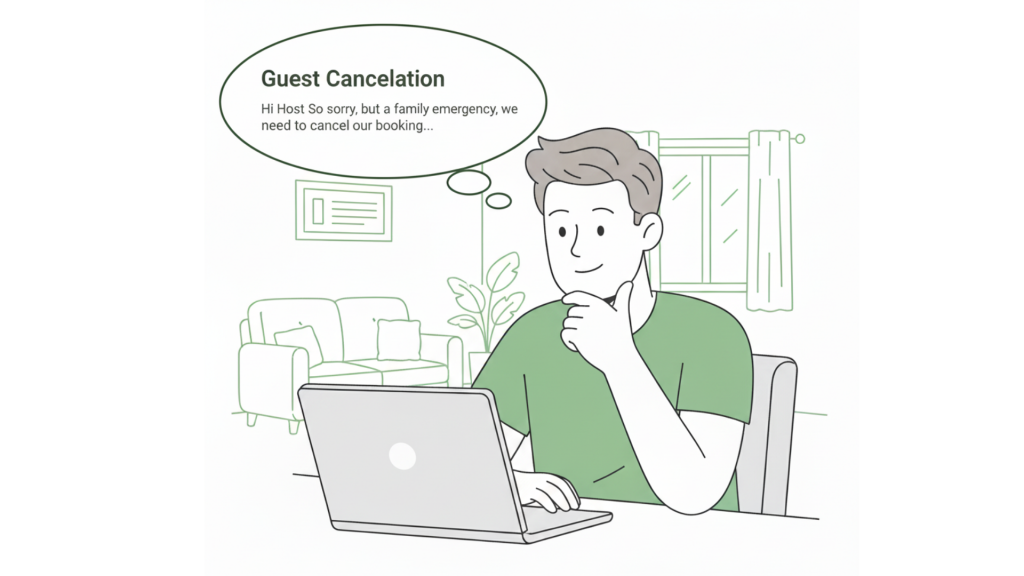
Even tough conversations can be handled gracefully when empathy comes first.
How a Death in the Family Cancellation Impacts Hosts and Guests
A Death in the Family cancellation isn’t just a logistical issue, it’s a moment where emotion meets economics. For guests, it’s an abrupt, painful interruption to plans; for hosts, it’s a sudden gap in income. Many hosts describe feeling conflicted, guilty if they keep the payment, anxious if they refund it. Understanding both perspectives helps you respond without resentment.
Research from Travel + Leisure shows that travelers increasingly value empathy and emotional intelligence in service interactions. A host who communicates with care can turn a difficult situation into long-term loyalty. Empathy doesn’t mean forfeiting revenue; it means enforcing policy in a way that honors humanity first.
1. Start with Empathy, Not Policy
When a death in the family cancellation request arrives, your first step should always be compassion, not terms and conditions. A brief, kind message acknowledging the loss instantly humanizes you. In my experience, that single act lowers tension more effectively than quoting platform rules.
Even if you must refer to your vacation rental cancellation policy, how you speak matters more than what you say. Start with sympathy, then calmly explain the next steps. Tools like the AdvanceCM Unified Inbox help you manage sensitive conversations efficiently so you can stay composed and professional.
Example Opening Messages
- “I’m so sorry for your loss.”
- “Let’s see what options we have within your booking terms.”
- “I’ll do my best to make this easier for you.”
A message like that shows empathy while subtly signaling that policy still applies.
2. Know What Your Platform or Policy Actually Covers
Before making commitments, confirm what your vacation rental cancellation policy and booking platform allow. Each service defines “extenuating circumstances” differently, and many hosts assume rules that don’t exist. That’s where misunderstandings begin.
Document all communication and timestamps. If you use automation like AdvanceCM Autopilot, it logs modification requests automatically and prevents missed details. This ensures fairness for both parties while preserving a record in case support is needed later.
In one of my early hosting experiences, a guest requested a refund mid-stay after a sudden family loss. Because my vacation rental cancellation policy was visible in every confirmation, we could reference it together without tension. I refunded the unused nights once they rebooked, and the guest left a five-star review thanking me for professionalism and empathy. Clear policies turn potential conflict into trust.
Quick Reference Checklist
- Check your platform’s extenuating-circumstances policy.
- Verify the cancellation reason in writing.
- Keep screenshots and message records for proof.
Understanding these technicalities protects your business without appearing insensitive.
3. Offer a Conditional Refund or Rebooking Option
A balanced way to manage a death in the family cancellation is to offer a partial refund or rebooking credit. This compromise shows goodwill while protecting revenue. Many hosts refund only nights successfully rebooked, allowing empathy and policy to coexist.
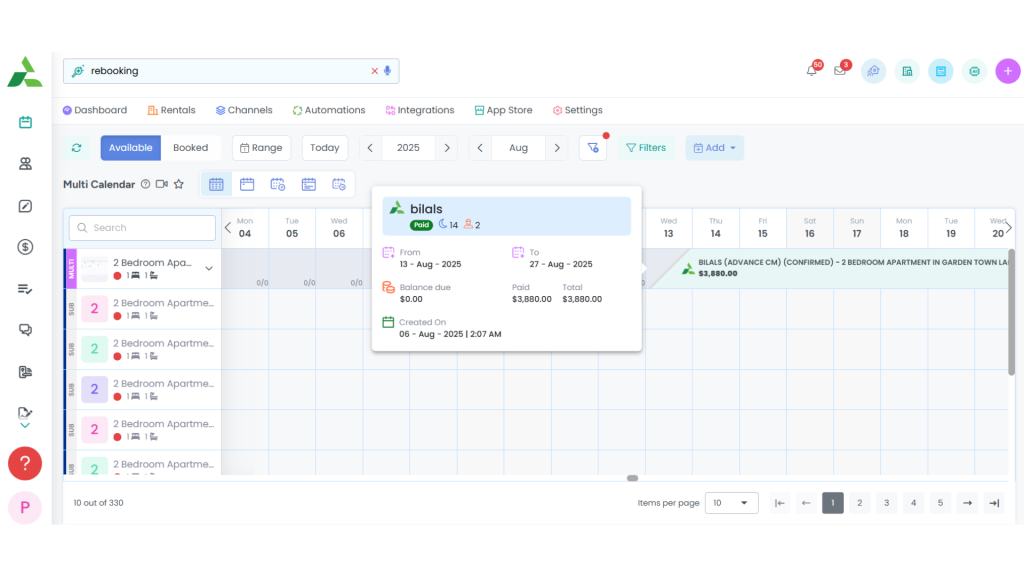
Offering partial refunds or rebooking options balances compassion with financial protection.
Define these scenarios clearly in your vacation rental cancellation policy to avoid emotional disputes later. According to The Balance SMB, flexible refund models can boost guest satisfaction and loyalty, even when full refunds aren’t guaranteed.
Practical Phrases to Use
- “I’ll refund any nights that get rebooked.”
- “You can apply this credit to a future stay.”
- “Here’s how your cancellation policy applies here.”
This approach turns an emotional situation into a structured, fair resolution.
4. Protect Future Revenue Through Policy Updates
Every Death in the Family cancellation teaches something new. If a recent event left you uncertain or financially exposed, it’s time to update your policy language. Clear policies prevent confusion and show professionalism to future guests.
Once refined, automate your terms across all booking channels using the AdvanceCM Channel Manager. This ensures guests always see identical rules, reducing disputes and support requests.
How to Strengthen Your Policy
- Write policies in plain, empathetic language.
- Specify what qualifies as an “emergency.”
- Automate your policy distribution to every platform.
Clarity not only protects income but also builds guest confidence.
5. Take Care of Yourself, Too
Handling multiple deaths in the family cancellations can quietly drain you. Compassion fatigue is real, you’re dealing with grief that isn’t yours while keeping your business afloat. Setting healthy boundaries is crucial for sustainable hosting.
Limit emotional involvement but remain respectful and consistent. Automation tools reduce repetitive communication so you can respond thoughtfully without absorbing every guest’s stress. Review your toolkit through AdvanceCM Pricing to identify features that streamline messaging and protect your time.
Self-Care Tips for Hosts
- Respond with empathy, but avoid emotional over-involvement.
- Use templates for consistent, calm communication.
- Debrief difficult experiences with trusted peers.
Your well-being is part of running a professional business.
💬 Have you ever faced a death in the family cancellation? How did you balance empathy and fairness? Connect with other hosts sharing similar stories on Reddit.
CONCLUSION
A Death in the Family Cancellation is one of the hardest realities of hosting, but also a chance to lead with humanity. By showing empathy, maintaining a clear vacation rental cancellation policy, and automating communication, you can protect both your heart and your business.
Hosting is more than managing calendars; it’s managing emotion. The next time this situation arises, let empathy guide your tone while automation handles logistics. With AdvanceCM Autopilot managing changes and the AdvanceCM Unified Inbox keeping communication organized, you can focus on compassion while your system maintains control. That’s modern hospitality, human warmth supported by smart structure.
FAQs
Q: What should I do first after a death in the family cancellation request?
A: Start with a short, compassionate message acknowledging the loss before discussing money or rules. This builds trust and sets the tone for professional resolution.
Q: Should I always offer a refund for a death in the family cancellation?
A: Not necessarily. Follow your vacation rental cancellation policy and consider partial refunds or credits for rebooked nights to balance empathy with fairness.
Q: Can I request proof of a death from a guest?
A: Legally you can ask, but it’s rarely advisable. Focus on kindness and documentation—demanding proof often damages trust more than it protects revenue.
Q: How can automation help with sensitive cancellations?
A: Automation through tools like AdvanceCM Autopilot records changes, tracks refund eligibility, and standardizes communication so emotions don’t cloud accuracy.
Q: What’s the best way to prevent future confusion over cancellations?
A: Publish a transparent vacation rental cancellation policy, automate it with a channel manager, and discuss it clearly during booking confirmation.

Welcome to Tokeet’s Podcast — your trusted source for insights, trends, and strategies shaping the vacation rental industry. Each episode features expert interviews, data-driven analysis, and practical tips to help property managers grow their businesses, improve guest experiences, and stay ahead in a rapidly evolving market. Whether you’re new to short-term rentals or managing a large portfolio, tune in to stay informed and inspired.
Some days just don’t work for a guest arrival, whether it’s a holiday, a maintenance window, or a turnover day your team can’t cover. This episode walks through check-in and check-out restrictions, the most requested feature in AdvanceCM, now live in the Rentals module. You’ll hear how to block arrivals or departures for a date range, such as December 24 to 26, and how to allow check-ins only on the weekdays you choose. We also cover channel-specific rules, like keeping Airbnb to Friday and Saturday arrivals while direct bookings stay open through Sunday. Finally, we explain what to check before switching rules on, from existing reservations to sync time and visibility on booking sites.
Key Takeaways:
✅ Block check-ins or check-outs for any date range
✅ Limit arrivals to the weekdays you choose
✅ Set different rules for each booking channel
✅ Existing reservations stay unchanged
✅ More restrictions mean fewer guests can book, so review rules each season
Related Links:
Company: https://www.tokeet.com/Blogs: https://www.tokeet.com/blog/Blog: Check-in and Check-out Restrictions: How to Set Them in AdvanceCM 👉 https://blog.tokeet.com/check-in-and-check-out-restrictions/
This is a public episode. If you would like to discuss this with other subscribers or get access to bonus episodes, visit podcast.tokeet.com