

After hosting over 200 guests across three vacation rental properties and managing countless difficult review situations, I’ve learned that writing a bad guest review feels risky when you’re staring at that empty review box after hosting someone who treated you poorly. The guests followed your house rules and left the property clean, but they were rude and entitled and treated you like hired help throughout their entire stay. Most hosts face this exact dilemma at some point: do you warn other hosts about difficult behavior, or do you play it safe with a generic positive review to avoid retaliation?
This guide shows you the exact 8 rules successful hosts use to write honest reviews that protect the community without risking your own reputation. You’ll learn which review categories to use for poor behavior, what language protects you from seeming petty, how to use platform signals other hosts actually read, and real guest review examples you can adapt. By the end, you’ll know exactly what to write when a guest obeys the rules but fails the basic decency test.
Rule 1 – Understand What You’re Actually Reviewing
The first rule is understanding that guest reviews serve the host community, not just your emotional outlet. Some hosts believe reviews should only cover rule compliance and property conditions, treating hosting like a hotel transaction. Others argue that vacation rentals involve a personal experience with your home or major investment, which requires mutual respect. This philosophical split determines everything about how you approach a difficult review.
The platform’s review system sides with the second camp. Vacation rental reviews include specific categories for communication, which hotels never rate guests on. When a guest books your property, they’re entering a relationship with you and your investment. The review is about the complete experience, and if that experience involved being treated poorly, other hosts deserve to know.
What the Review System Actually Measures
- Communication: Responsiveness, tone, and basic manners during all exchanges
- House Rules: Adherence to your stated policies and property guidelines
- Cleanliness: How they left the property after checkout
- Overall Experience: The complete picture, including attitude and respect
- Would Host Again: Private signal to other hosts (most important indicator)
Rule 2 – Use the Communication Rating Strategically
This is your most powerful tool for addressing rude behavior without appearing vindictive. The communication category exists specifically to rate guest manners, responsiveness, and interpersonal conduct. You can give a guest 5 stars for cleanliness and house rules while giving them a 2 or 3 for communication, which signals problems to other hosts without tanking their overall rating.
This approach is defensible because poor communication is objectively measurable. A guest who ignored your messages, barked demands, or never acknowledged your assistance failed this category by any reasonable standard. Future hosts specifically check communication ratings when screening booking requests. Unified inbox helps document these communication patterns with timestamps and message history.
When to Dock Communication Points
Give low communication ratings for these specific behaviors:
- Asking questions but never acknowledging your detailed answers
- Demanding tone in messages with no please or thank you
- Ignoring direct questions from you during the stay
- Zero gratitude for accommodations outside standard policy
- Making you feel like paid staff rather than a collaborative host
Rule 3 – Always Select “Would Not Host Again” for Problem Guests
The “Would not host again” checkbox is a private signal that only other hosts see, and it’s the single biggest red flag in a guest’s profile. This option exists precisely for situations where a guest technically followed rules but made hosting them miserable. When hosts review booking requests, they specifically look for this signal because it communicates what public reviews cannot say diplomatically.
This checkbox protects you from appearing petty in public while still warning the community. The guest never sees this selection, which eliminates retaliation risk entirely. If someone treated you poorly enough that you’re dreading their next booking inquiry, checking this box is non-negotiable. Experienced hosts consider this the nail in the coffin, more important than the star ratings themselves.
Rule 4 – Write Factually, Not Emotionally
The language you use determines whether your review seems credible or vindictive. Future guests reading your past reviews will judge YOU based on how you describe previous guests. Emotional language like “They treated me like a lowly servant” makes you appear unprofessional, even if the sentiment is justified. Factual language describing observable behaviors protects your credibility while still communicating problems.
State positives first, then note negatives in non-emotional terms. Instead of “The guest was incredibly rude and entitled,” write “The guest did not acknowledge check-in instructions or respond to questions about their satisfaction with the property.” Both communicate the same problem, but the second version appears measured and objective. According to industry data from Rent Responsibly, 69% of guests say communication with their host influenced their likelihood of leaving a positive review, which means your communication tone matters.
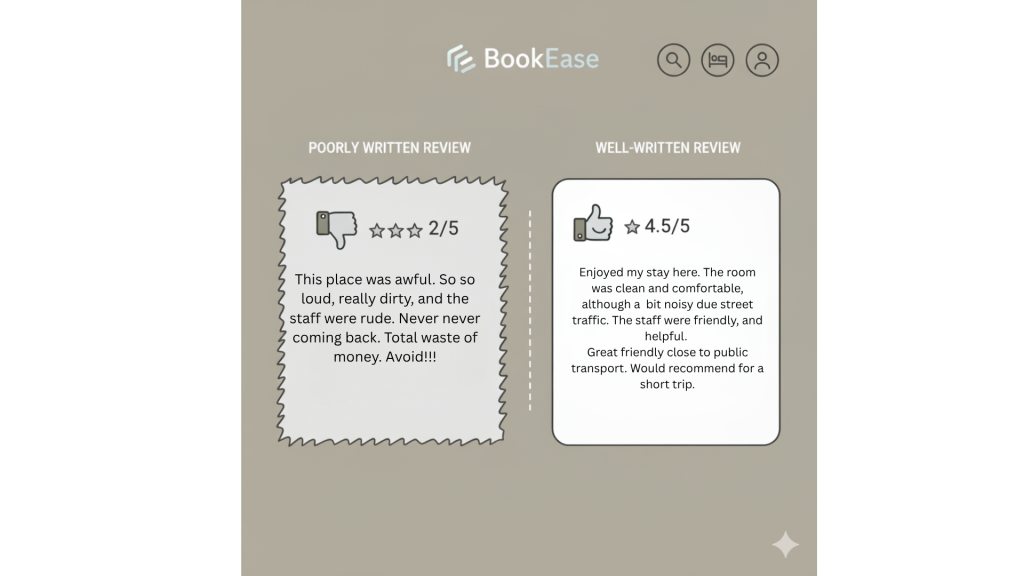
Guest Review Examples – Bad vs. Good
Bad (Emotional): “This guest treated me like their personal servant and never once said thank you. Incredibly entitled group who showed zero respect.”
Good (Factual): “The guest requested early check-in and luggage storage, which I accommodated. They did not acknowledge messages during their stay or respond to questions about the property. The communication rating reflects this experience.”
Bad (Vague): “Would not recommend hosting this guest again. They know what they did.”
Good (Specific): “The guest followed house rules and left the property clean. Communication was minimal throughout the stay despite multiple messages from me. Better suited for hotel accommodations.”
Rule 5 – Use Coded Language the Host Community Understands
Certain phrases signal problems to experienced hosts without sounding harsh to casual readers. The host community has developed coded language that communicates issues diplomatically. “Better suited for a hotel” is the most recognized phrase, serving as shorthand for “this guest doesn’t understand the personal nature of vacation rentals and expects anonymous service.”
Other effective coded phrases include “communication was minimal,” “guest would benefit from commercial accommodations,” and “guest had specific expectations about service levels.” These phrases maintain plausible deniability if the guest contests the review, while experienced hosts immediately understand the subtext.
Effective Coded Phrases
- “Better suited for a hotel” = Expected service-staff treatment, didn’t respect personal nature of rental
- “Communication was minimal” = Rude, non-responsive, or demanding in all interactions
- “Had specific expectations” = Entitled, inflexible, or unrealistic demands
- “Guest would benefit from commercial accommodations” = Doesn’t understand host-guest relationship boundaries
- “Communication rating reflects experience”: This is where the problem was (check that low rating).
Rule 6 – Document Everything Before Writing the Review
Screenshot all message exchanges before submitting your review because guests can delete conversations after checkout. Documentation protects you if guests are preparing for a refund request. Keep records of questions you answered that they ignored, accommodations you made that went unacknowledged, and any demanding or rude messages.
This documentation serves three purposes: it supports your review if the guest challenges it, it helps you write factually by referencing specific incidents, and it protects you if the guest files a complaint with the platform. When you write, “Guests asked numerous questions but did not acknowledge responses,” you can prove that statement with screenshots. Professional property management platforms like AdvanceCM centralize guest communication and document all interactions automatically, eliminating the manual screenshot process.
Rule 7 – Anticipate Retaliation and Plan Your Response
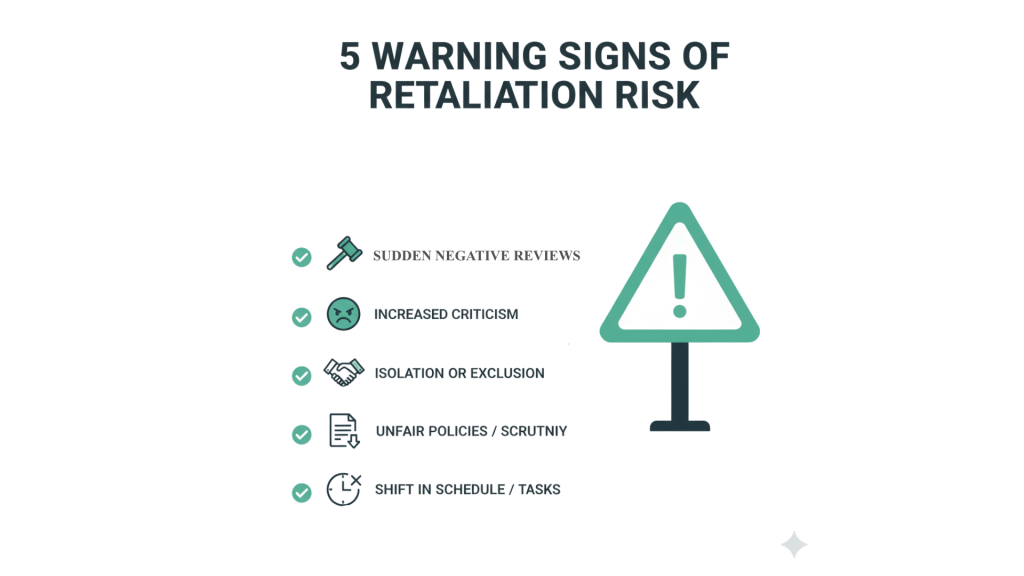
The biggest fear preventing honest reviews is retaliatory bad reviews from the guest. Hosts worry that future guests will not book after seeing harsh language about previous guests. This fear is valid, but the solution is not silence, it’s writing a professional public response to any retaliatory review you receive.
Guest reviews can be responded to publicly, and future guests read those responses carefully. If a guest retaliates with a false or unfair review, your professional response provides context that protects your reputation. Write something like: “We’re surprised by this review, as we accommodated early check-in, provided local recommendations, and received no complaints during the stay. Communication was minimal despite our check-in messages. We maintain high standards for all guests.”
Higher retaliation risk occurs when guests asked excessive questions before booking, made demands outside standard policy, showed entitlement in messages, never acknowledged your assistance, or you suspect they’re planning a refund request. For properties with multiple listings, consider tools like automation systems that maintain professional distance and document all interactions.
Rule 8 – Remember You’re Protecting Other Hosts, Not Punishing Guests
The final rule is shifting your mindset from punishment to community protection. You’re not getting revenge on a rude guest by writing an honest review, you’re providing information other hosts need to make informed decisions about who to accept into their homes and investments.
Leaving 5-star reviews for unpleasant guests actively harms other hosts who will accept those bookings based on false information. Your property might be one of many vacation rentals this guest books, and if they establish a pattern of treating hosts poorly, that pattern needs to be visible. This is not personal vindication, it’s community responsibility. According to research on vacation rental accountability and regulation, honest review systems create accountability that benefits both hosts and respectful guests by filtering out problematic users.
💬 Ever dealt with a guest who followed rules but treated you terribly? Join the discussion with other hosts navigating these exact review dilemmas.
Conclusion
Writing a bad review for a guest stops being intimidating once you understand the system is designed for exactly this situation. Use the communication rating to document poor behavior, select “would not host again” to warn other hosts privately, and write factually to maintain your credibility. Your responsibility is not to protect rude guests from accountability, it’s to protect other hosts from accepting guests who will treat them as servants rather than partners in a mutually respectful transaction.
FAQs
Q: How long do I have to write a guest review after checkout?
A: You have 14 days after checkout to submit your review, and it only publishes after both parties submit or the deadline passes. Wait until near the deadline if you’re worried about retaliation, since the guest won’t see your review until theirs is submitted or time runs out.
Q: Can I see guest review examples other hosts left before accepting a booking request?
A: Yes, you can read all reviews previous hosts left for a guest by clicking on their profile before approving their booking. Look specifically for low communication ratings, “would not host again” signals, and coded phrases like “better suited for a hotel.”
Q: Will a single bad review ruin a guest’s ability to book other properties?
A: One negative review rarely blocks future bookings, but patterns matter significantly to experienced hosts. Most hosts look for repeated issues across multiple reviews, especially low communication ratings or several “would not host again” flags from different properties.
Q: Can I edit or delete my guest review after I submit it?
A: No, reviews are permanent once submitted and cannot be edited or deleted by either party. This is why documenting everything with screenshots before writing your review is critical for accuracy.
Q: What if the guest threatens me with a bad review before the review period ends?
A: Screenshot the threat immediately and report it to the platform, as threatening reviews violate terms of service. Continue with your honest review using factual language, and include the threat in your documentation if you need to dispute their retaliatory review later.

Welcome to Tokeet’s Podcast — your trusted source for insights, trends, and strategies shaping the vacation rental industry. Each episode features expert interviews, data-driven analysis, and practical tips to help property managers grow their businesses, improve guest experiences, and stay ahead in a rapidly evolving market. Whether you’re new to short-term rentals or managing a large portfolio, tune in to stay informed and inspired.
Some days just don’t work for a guest arrival, whether it’s a holiday, a maintenance window, or a turnover day your team can’t cover. This episode walks through check-in and check-out restrictions, the most requested feature in AdvanceCM, now live in the Rentals module. You’ll hear how to block arrivals or departures for a date range, such as December 24 to 26, and how to allow check-ins only on the weekdays you choose. We also cover channel-specific rules, like keeping Airbnb to Friday and Saturday arrivals while direct bookings stay open through Sunday. Finally, we explain what to check before switching rules on, from existing reservations to sync time and visibility on booking sites.
Key Takeaways:
✅ Block check-ins or check-outs for any date range
✅ Limit arrivals to the weekdays you choose
✅ Set different rules for each booking channel
✅ Existing reservations stay unchanged
✅ More restrictions mean fewer guests can book, so review rules each season
Related Links:
Company: https://www.tokeet.com/Blogs: https://www.tokeet.com/blog/Blog: Check-in and Check-out Restrictions: How to Set Them in AdvanceCM 👉 https://blog.tokeet.com/check-in-and-check-out-restrictions/
This is a public episode. If you would like to discuss this with other subscribers or get access to bonus episodes, visit podcast.tokeet.com