
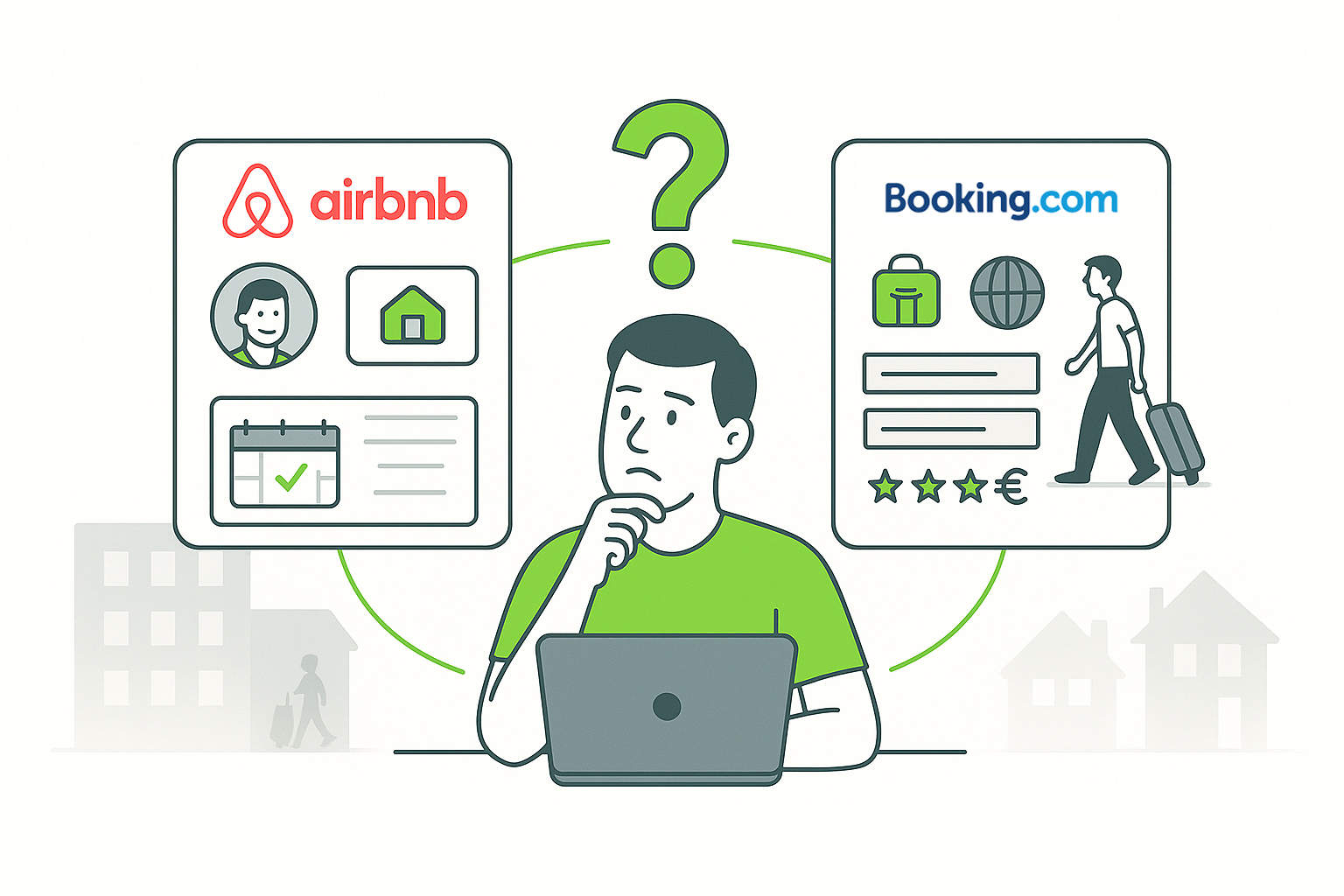
As an Airbnb host, you’re constantly seeking opportunities to maximize your property’s potential. This often means exploring new avenues to boost bookings, diversify income streams, and cast a wider net for potential guests. For many, the natural progression is to expand beyond Airbnb and list on other prominent platforms like Booking.com. But is this move genuinely beneficial? What are the practicalities, and what unforeseen challenges might arise when managing listings across different platforms?
To provide you with an unvarnished perspective, we’ve meticulously analyzed the invaluable insights and direct experiences shared by fellow hosts within Reddit’s thriving r/airbnb_hosts community. Their discussions offer a candid look at the triumphs and tribulations of cross-listing on Booking.com. Here’s a comprehensive breakdown of everything you need to consider before you take the plunge.
The Allure: Why Hosts Are Eyeing Booking.com
Many hosts are making the move to BDC for compelling reasons, often driven by a desire for growth and stability.
Increased Bookings & Revenue
In many regions, BDC is a dominant force, particularly in markets popular with international travelers. Hosts in places like Puerto Rico and New Zealand have reported that the majority of their bookings come from BDC, offering a substantial and often untapped revenue stream. If you’re in a market where BDC has a strong foothold, not being on the platform could mean leaving money on the table.
Access to a Different Traveler Demographic
If you’ve observed a plateau or even a decline in international bookings on Airbnb, BDC might be your answer. The platform is a go-to for many overseas travelers and those who prefer a more traditional booking experience, often due to its hotel-centric origins. This opens your property up to a completely different demographic, broadening your market reach.
Diversification & Stability
The old adage, “Don’t put all your eggs in one basket,” is more relevant than ever for short-term rental operators. Relying on a single platform leaves you vulnerable to changes in its algorithms, fees, or policies. By spreading your listings across multiple platforms, you can mitigate risk and maintain a more consistent cash flow, creating a more resilient business model.
The Reality Check: Navigating Booking.com’s Challenges
While the benefits are clear, hosts universally highlight several significant challenges with Booking.com that require careful consideration.
The “Clunky” User Interface
Prepare for a steep learning curve. The BDC platform is widely described as less intuitive and far more complex than Airbnb. It was built with large-scale hotel operations in mind, so finding what you need as a short-term rental host can be a confusing experience. As one host bluntly stated, “The Booking.com UI is the jenkiest piece of crap I’ve ever had to work with.”
Calendar Syncing Nightmares & Double Bookings
This is arguably the most significant pain point for new BDC hosts. The manual calendar syncing between platforms is notoriously unreliable. Many hosts report issues where dates they’ve manually blocked on Airbnb, for personal use, maintenance, or other reasons, simply do not sync to BDC. This can lead to dreaded double bookings and forced cancellations, which can harm your reputation and incur penalties.
Less Host Control & Guest Vetting
On BDC, all bookings are instant. You do not have the ability to review a guest’s profile before a booking is confirmed or decline a reservation request. This lack of control can be a major concern for hosts who prefer to screen guests. While guests can leave a rating, there is no equivalent to Airbnb’s detailed written guest reviews. Some hosts even express concern about the quality of guests, noting that some travelers “who have been kicked off of Airbnb and Vrbo create accounts on Booking.com.”
Complex Financial & Tax Responsibilities
Unlike Airbnb, BDC generally does not handle sales and tourist taxes for you. When you get a payout, it’s typically the gross amount, and you are responsible for opening accounts with local tax authorities and paying these taxes independently. You are also billed separately for BDC’s commission. While BDC has introduced its own payment processing, many experienced hosts still rely on external tools like Stripe and property management software to manage payments and security deposits with greater control.
Smart Strategies: How Successful Hosts Manage Both Platforms
So, how do experienced hosts make it work? It all comes down to smart tools and a willingness to adapt your operational strategy.
Invest in a Robust Channel Manager
This is a non-negotiable way to prevent double bookings. Platforms like AdvanceCM act as a central hub, automatically syncing your calendar, pricing, and messaging across all your listing sites. This takes the stress out of manual updates and minimizes the risk of costly errors. You can even manage all guest communication from a single, centralized unified inbox.
Familiarize Yourself with the Platform
Give yourself time to learn the nuances of the BDC interface. Watch tutorials, read help articles, and be prepared for a steeper learning curve than you experienced with Airbnb. Understanding the platform’s intricacies is key to avoiding frustration and making the most of its features.
Understand Your Financial Responsibilities
Before you list, research your local and state tax laws for short-term rentals. Be prepared to set aside money from each BDC payout to cover these taxes and BDC’s commission. This proactive approach will prevent any surprises down the line.
Adjust Your Guest Management Protocol
Since you cannot vet guests on BDC, consider implementing a simple, automated check-in process that provides clear rules and expectations. For high-end or sensitive properties, you might also consider using third-party software that collects a security deposit or requires a signed rental agreement to add an extra layer of protection.To see how affordable a professional solution can be, check out the AdvanceCM.
 Want to join the Reddit conversation on this topic?: See what other hosts are saying here.
Conclusion
Expanding your listing to Booking.com is a powerful strategy to increase bookings and fortify your short-term rental business against market fluctuations. It provides access to a new demographic of travelers, particularly those from international markets, and helps to reduce your dependency on any single platform.
However, this move is not without its challenges. The trade-offs include a less user-friendly platform, a higher risk of double bookings, and a reduction in host control over guest selection. Successful hosts navigate these challenges by proactively investing in key technologies like channel managers, thoroughly understanding the platform’s unique financial responsibilities, and adapting their guest management strategies. By doing so, they are able to seamlessly integrate BDC into their operations and reap the benefits of a diversified, more resilient business.
FAQs
Q: How do I link my Airbnb calendar to Booking.com? A: You can use an iCal link to sync your calendars. On both platforms, you’ll find an “Export Calendar” or “Import Calendar” option, usually in the calendar or pricing settings. You copy the iCal link from one platform and paste it into the other. However, a word of caution: iCal syncs can be delayed or unreliable. For a more robust and real-time solution, dedicated channel manager software is highly recommended.
Q: Does Booking.com collect and pay taxes for me? A: No, in most cases, they do not. Unlike Airbnb, which often handles local taxes for you, Booking.com typically pays you the gross amount of the booking, and you are then responsible for calculating, reporting, and remitting all applicable local and state sales and tourist taxes. It is crucial to set up accounts with your local tax authorities and keep meticulous records of your BDC income.
Q: Can I screen guests before they book on Booking.com? A: No, BDC operates on an instant-booking model, and there is no option for hosts to vet guests or decline a reservation. If you are concerned about guest quality, the best approach is to have a clear and detailed house rules section on your listing. Additionally, some hosts use third-party tools to require a security deposit or signed rental agreement, which can act as a form of guest vetting.

Welcome to Tokeet’s Podcast — your trusted source for insights, trends, and strategies shaping the vacation rental industry. Each episode features expert interviews, data-driven analysis, and practical tips to help property managers grow their businesses, improve guest experiences, and stay ahead in a rapidly evolving market. Whether you’re new to short-term rentals or managing a large portfolio, tune in to stay informed and inspired.
Some days just don’t work for a guest arrival, whether it’s a holiday, a maintenance window, or a turnover day your team can’t cover. This episode walks through check-in and check-out restrictions, the most requested feature in AdvanceCM, now live in the Rentals module. You’ll hear how to block arrivals or departures for a date range, such as December 24 to 26, and how to allow check-ins only on the weekdays you choose. We also cover channel-specific rules, like keeping Airbnb to Friday and Saturday arrivals while direct bookings stay open through Sunday. Finally, we explain what to check before switching rules on, from existing reservations to sync time and visibility on booking sites.
Key Takeaways:
✅ Block check-ins or check-outs for any date range
✅ Limit arrivals to the weekdays you choose
✅ Set different rules for each booking channel
✅ Existing reservations stay unchanged
✅ More restrictions mean fewer guests can book, so review rules each season
Related Links:
Company: https://www.tokeet.com/Blogs: https://www.tokeet.com/blog/Blog: Check-in and Check-out Restrictions: How to Set Them in AdvanceCM 👉 https://blog.tokeet.com/check-in-and-check-out-restrictions/
This is a public episode. If you would like to discuss this with other subscribers or get access to bonus episodes, visit podcast.tokeet.com