
 Water Damage & Mold: The Ultimate Renter’s Guide
Imagine coming home after a long day to a musty, earthy smell you don’t recognize. You start to look around, and you see it: a dark, spreading stain on the ceiling or behind a piece of furniture. A small water leak has turned into a serious problem. The stress can be overwhelming, but you’re not powerless.
This guide will walk you through everything you need to know about water damage and mold, from what your insurance will actually cover to the immediate steps you should take to protect yourself and your belongings.
Water Damage & Mold: The Ultimate Renter’s Guide
Is Your Renter’s Insurance Mold Coverage Up to the Task?
Renters insurance mold coverage is a tricky subject. A common and frustrating experience for many guests is having a claim for mold damage denied. The truth is, your standard policy is designed to protect your personal belongings, but it’s very specific about what it will cover. For a detailed breakdown, see “Understanding renters insurance mold coverage and what it includes”.
What’s Covered (and What’s Not)
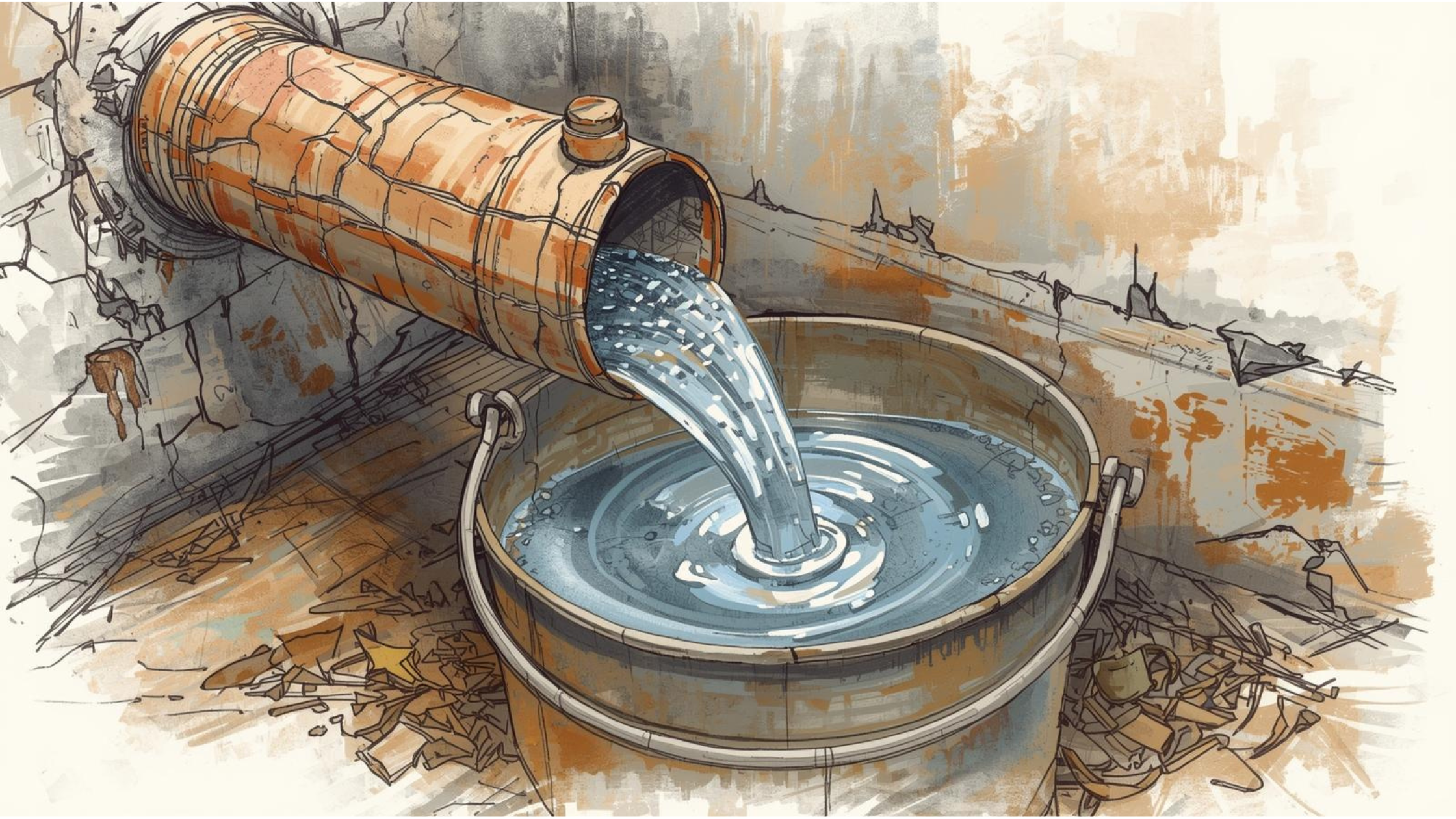
Your policy will likely cover damage from a sudden, unexpected event, also known as a “covered peril.” Think of things like a pipe that suddenly bursts, a washing machine hose that breaks, or a fire that leaves your apartment open to rain damage.
- Covered Example: If your upstairs neighbor’s toilet suddenly overflows and floods your bathroom, your insurance might help you replace your ruined rug and belongings.
- Not Covered Example: If you find mold in your bathroom from a slow, constant leak you didn’t report, your claim will likely be denied because the damage was gradual and preventable.
This is a key point that separates a successful claim from a denied one. The, “renters insurance mold coverage,” only applies when the mold is the direct result of a sudden event.
The Problem with the “M-Word”
Property managers and hosts know that the word “mold” is often a red flag for insurance adjusters. This is because mold growth can imply that the problem has been happening for a while. Many insurance companies have specific exclusions for mold, fungus, and rot in their policies. You can avoid this problem by being careful with the language you use when reporting a claim. For better results, refer to the cause of the problem as “water damage” or even “microbial growth” to get the conversation started on the right foot.
What to Do If Your Apartment Has Mold From a Leak
The moment you discover a water leak or mold, you must act fast. According to Adaven Plumbing, mold can begin to grow within just 24 to 48 hours. Taking immediate action is the best way to prevent the problem from getting worse and to strengthen your claim. This answers the guests looking for immediate, actionable steps.
Step 1: Tell Your Landlord or Property Manager
This is the most critical action you can take. You must immediately notify your property manager or host in writing (an email or a text message works great). This creates a timestamped record showing that you did everything you could to address the issue right away. For property managers, a Unified Inbox can help them respond quickly and track all guest communication, ensuring no messages are missed. The property owner is responsible for fixing the building’s structure, so they need to be the first to know.
Step 2: Document Everything and Protect Your Belongings
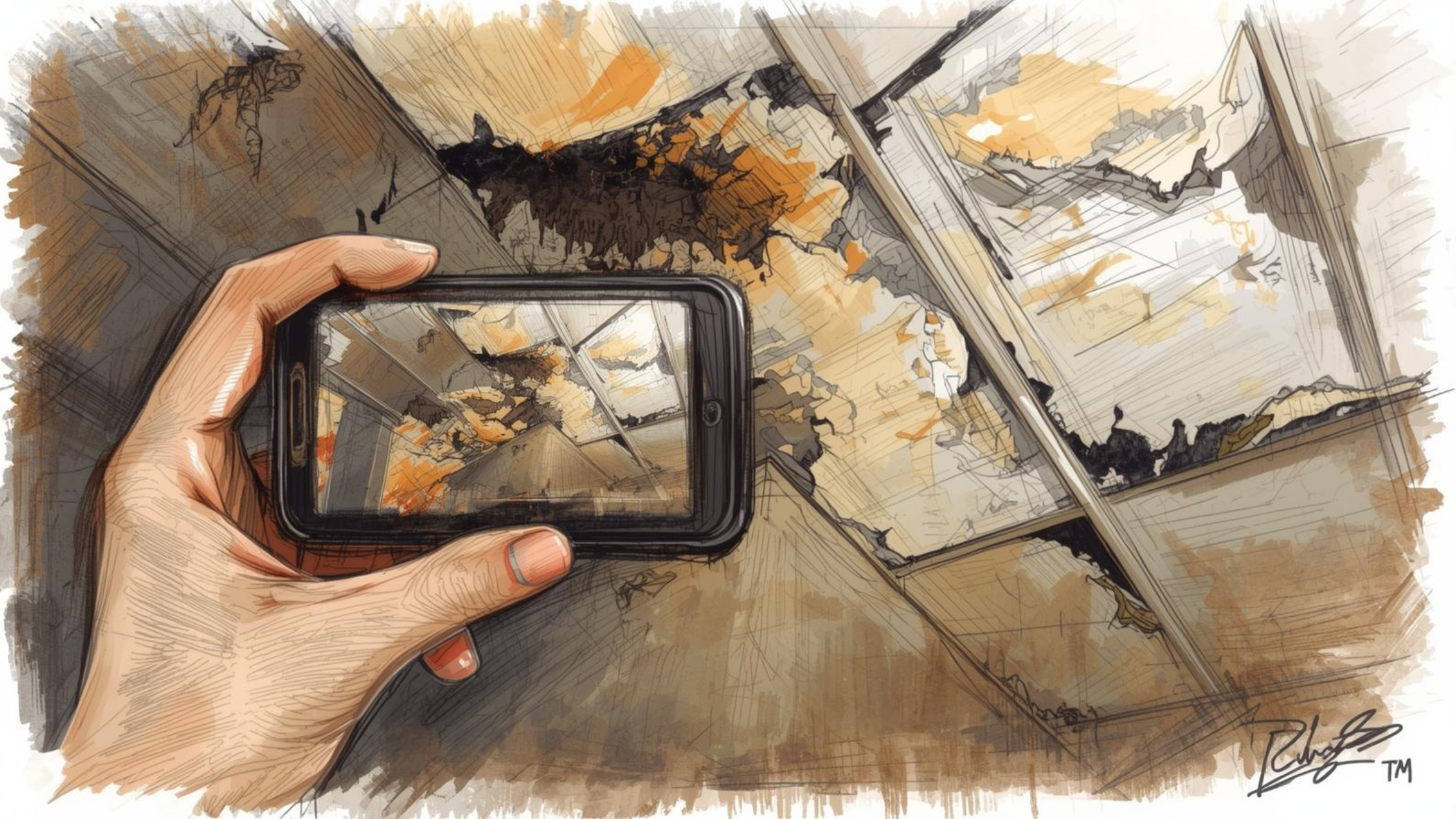
While you wait for help, take action to protect your property. Move your belongings away from the water. Then, take plenty of photos and videos of the leak itself, the water damage, and all of your affected personal items. This documentation is your evidence. The more you have, the better, because documentation is the best way to secure your renter’s insurance mold coverage.
Step 3: Get an Expert to Help
Don’t try to fix the leak yourself. Professional plumbers use advanced technology, like thermal imaging cameras and acoustic sensors, to find hidden leaks behind walls or under floors without causing more damage. This expert insight is crucial because it provides objective proof for your insurance company. If the mold problem is extensive (over 10 square feet) or you have health concerns, it is best to hire a professional mold remediation company. This step is a proactive way to protect your belongings and your health, which is what renters insurance mold coverage is all about.
Step 4: The Clean-Up
If the moldy area is small (less than 10 square feet), you can handle the cleanup yourself. Scrub hard surfaces with a solution of detergent and water and dry them completely. However, absorbent materials like drywall, carpet, or insulation are a different story. Mold can grow deep inside these materials, so you should dispose of them. Always wear protective gear, including gloves and a respirator mask, to avoid breathing in mold spores.

The High Cost of Doing Nothing
Ignoring a water leak can lead to serious and expensive consequences that go far beyond what you might see on the surface. For property owners, the costs can be enormous, leading to operational downtime, expensive repairs, and legal risks. Preventing mold growth also requires controlling moisture and maintaining proper ventilation. Controlling indoor humidity below 60% and conducting regular inspections are essential steps to keep mold at bay and avoid costly remediation.
Learn more about proactive mold prevention and remediation for rental properties to protect your investment and your guest’s health.
The Business Impact of Water Damage
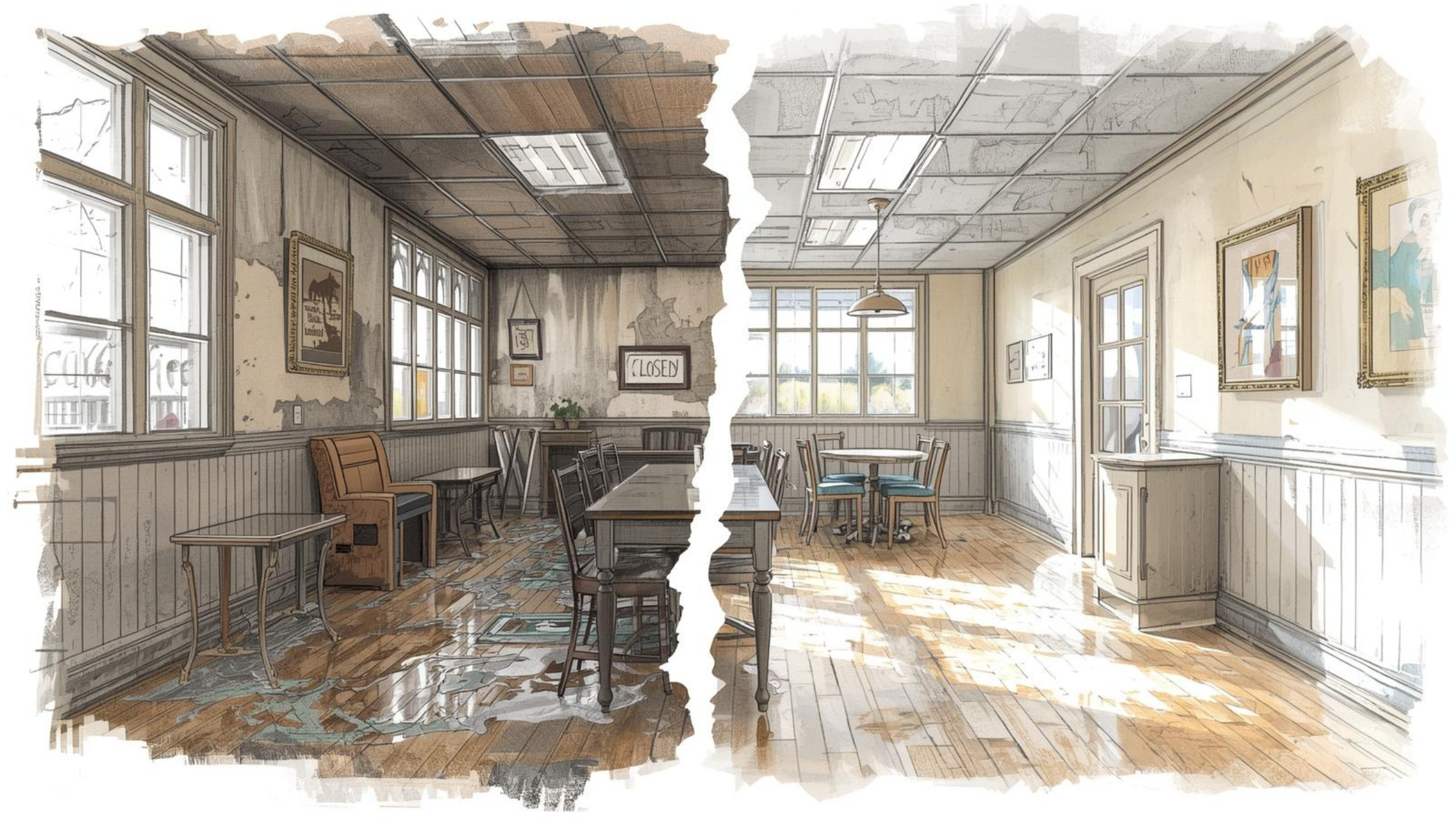
Property owners face significant financial risks from water damage. A leak can cause lost revenue and force them to temporarily close rooms, which hurts their business. It can also lead to long-term structural issues and damage to expensive equipment. An unaddressed problem could even result in legal claims from guests or health and safety violations from inspectors. An investment in a proactive solution can save money and prevent these headaches in the future. With our brand, AdvanceCm, we help property managers prevent these pain points and focus more on delivering the best guest experience.
FAQs
Q: What exactly is “microbial growth”? A: “Microbial growth” is a professional term for the growth of microorganisms, including mold. Using this term instead of “mold” can help you describe the damage to your insurance company without immediately implying a long-term problem.
Q: Will my landlord’s insurance cover my belongings? A: No. A landlord’s insurance policy only covers the building’s structure. Your personal belongings are your responsibility. That is why it is so important to have your own renter’s insurance.
Q: How fast does mold grow after a leak? A: Mold can start to grow in as little as 24 to 48 hours after water exposure. This is why it’s crucial to act quickly.
Q: Should I throw away all my stuff if it gets wet? A: Not necessarily. Porous items like clothes or fabric furniture may need to be discarded. However, hard, non-porous items like plastic or glass can often be cleaned.
Q: Can I get help from an expert for free? A: No. You will most likely have to pay for a professional to come in and assess the damage. However, the cost of an expert can save you from a denied claim.
Final Thoughts
The best way to handle water damage and mold in a rental is to be proactive and informed. By understanding the critical distinction between a sudden and a gradual leak, taking immediate action to mitigate the damage, and using the right language with your insurance company, you can protect your belongings and your well-being. This guide is a tool to help you navigate a frustrating situation, but being prepared with a good renter’s insurance policy is your first and best defense.
For more information, schedule a demo now with AdvanceCM.

Welcome to Tokeet’s Podcast — your trusted source for insights, trends, and strategies shaping the vacation rental industry. Each episode features expert interviews, data-driven analysis, and practical tips to help property managers grow their businesses, improve guest experiences, and stay ahead in a rapidly evolving market. Whether you’re new to short-term rentals or managing a large portfolio, tune in to stay informed and inspired.
Some days just don’t work for a guest arrival, whether it’s a holiday, a maintenance window, or a turnover day your team can’t cover. This episode walks through check-in and check-out restrictions, the most requested feature in AdvanceCM, now live in the Rentals module. You’ll hear how to block arrivals or departures for a date range, such as December 24 to 26, and how to allow check-ins only on the weekdays you choose. We also cover channel-specific rules, like keeping Airbnb to Friday and Saturday arrivals while direct bookings stay open through Sunday. Finally, we explain what to check before switching rules on, from existing reservations to sync time and visibility on booking sites.
Key Takeaways:
✅ Block check-ins or check-outs for any date range
✅ Limit arrivals to the weekdays you choose
✅ Set different rules for each booking channel
✅ Existing reservations stay unchanged
✅ More restrictions mean fewer guests can book, so review rules each season
Related Links:
Company: https://www.tokeet.com/Blogs: https://www.tokeet.com/blog/Blog: Check-in and Check-out Restrictions: How to Set Them in AdvanceCM 👉 https://blog.tokeet.com/check-in-and-check-out-restrictions/
This is a public episode. If you would like to discuss this with other subscribers or get access to bonus episodes, visit podcast.tokeet.com