 The Future of VAs in the AI Operating System Age
 The Future of VAs in the AI Operating System Age
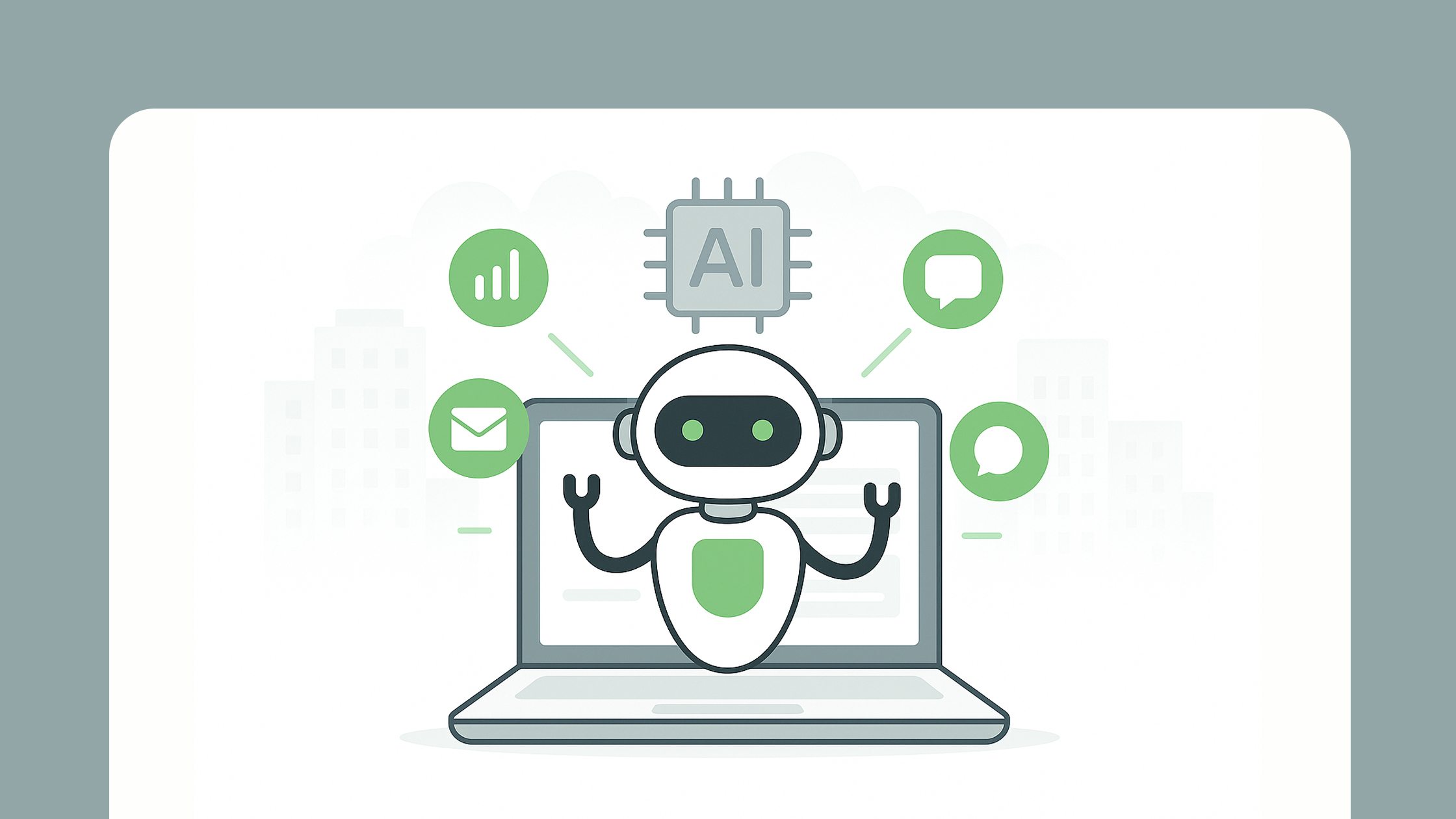
Some people wonder what will happen to virtual assistants in a world increasingly run by artificial intelligence. Will AI take over their jobs? The truth is simpler: AI isn’t replacing virtual assistants. Instead, the rise of AI operating systems is changing virtual assistant jobs by giving them powerful new tools.
This change will make virtual assistants even more valuable, letting them focus on higher-level work. This article explains how VAs and AI will work together in the coming years.
Understanding the Traditional Virtual Assistant
For many years, virtual assistants, or VAs, have been essential for businesses and busy people. These professionals work remotely, handling a wide range of tasks. You might know them for their strong organizational skills. They manage schedules, set up meetings, and handle emails. VAs also help with research, social media, and preparing presentations. These traditional virtual assistant roles have provided a lot of flexibility and helped clients save money and time.
VAs are good at many things, but they also have limits. When tasks are very repetitive or require processing huge amounts of information, manual work can be slow. It can also be hard to scale up quickly if a business suddenly needs a lot more support. VAs rely on their human ability to handle details, which means there’s a cap on how much they can do, especially with tasks needing deep analysis or quick, proactive decisions based on large data sets.
AI Is Getting Smarter
Artificial intelligence has come a long way. It’s not just about simple automation anymore. Think about how far we’ve moved from basic chatbots that just follow scripts. Now, we see highly capable AI, often in the form of what we call AI agents.
AI agents are more than just smart programs. They are built to understand a big goal, figure out the steps to reach it, and then act on their own. This makes them different from earlier AI tools or even current AI assistants that just do what you tell them. For example, a simple AI assistant might search for hotels if you ask it. An AI agent, however, could find hotels, check reviews, book a room, and email you the details, all without you giving step-by-step commands. This is a big shift. These AI agents use advanced technologies like large language models (LLMs) and can connect to many different tools and systems. They process information in real-time, helping them make smart decisions. This is part of the virtual assistant future where smart programs handle complex, multi-step actions.
The Power Behind the Scenes: The AI Operating System
Now, imagine the brain that manages all these smart AI agents. That’s where the AI Operating System, or AI Operating System, comes in. Our usual computer operating systems, like Windows or macOS, were made for people to use. They help you open programs and manage files. But AI needs something different. It needs systems that can handle huge amounts of data very fast, run many calculations at once, and manage specialized hardware like graphics processors (GPUs).
An AI operating system is built to do just that. It’s a special software layer designed to bring together and control all the parts of an AI system. This means it connects the storage, the databases, and the computing power. This setup lets AI “sense,” “learn,” “reason,” and “act” on a large scale.
Here are some main features of an AI OS:
- Smart Data Management: An AI Operating System handles massive and varied data efficiently. It makes sure data is ready for AI to use quickly, from when it first comes in to when it is stored. This helps AI models get the information they need without delays.
- Optimized Resource Use: It intelligently manages hardware and computing power. This means it makes sure GPUs and other specialized parts are used in the best way. This improves AI performance and helps keep costs down.
- Easier AI Management: An AI Operating System simplifies the process of creating, putting into use, watching, and updating AI models. It gives developers a clear way to handle AI projects from start to finish.
- Strong Security: These systems have built-in security for AI data and models. They also help make sure AI is used in ways that follow rules and are ethical.
- Scalability: An AI Operating System can handle AI projects of all sizes. It can grow from small tests to big company-wide uses without problems. This is crucial for how AI operating systems change virtual assistant jobs.
The Symbiotic Future: VAs Powered by AI Operating Systems
This is where the real change happens for VAs. AI operating systems are the essential platforms that power AI agents, and these agents then give virtual assistants powerful new capabilities. This means VAs are not being replaced. Instead, they are becoming central to managing and getting the most out of these new technologies.
The virtual assistant future involves a big shift in what VAs do:
- From Doing to Leading: VAs are moving from simply “doing” tasks to “orchestrating” them. Imagine a VA overseeing a team of digital helpers. For example, instead of manually sorting hundreds of emails, an AI agent on an AI Operating System could quickly handle sorting, prioritizing, and even drafting responses for most of them. The VA then checks the drafts, handles tricky or private messages, and ensures everything lines up with the client’s goals.
- Greater Strategic Impact: VAs can now offer much more strategic value. With an AI Operating System managing data analysis, VAs get quick insights into business trends. They use this information to give better advice to clients. For example, a VA using AdvanceCM AI Operating System to look at market data, helping a property management client decide on pricing or predict what guests will need. This approach leads to impressive AI-driven productivity, delivering highly personalized services at a bigger scale.
- Focus on Human Strengths: Because AI agents on an AI Operating System take care of many routine and data-heavy tasks, VAs have more time. This allows them to work with more clients or handle bigger projects. Their virtual assistant roles will now center on solving harder problems. This includes situations where human judgment, creative thinking, or a personal touch is truly needed, something AI cannot do.
To succeed in this changing environment, VAs will need new skills:
- AI Knowledge and Prompting: They need to understand how AI tools work and how to give AI agents clear instructions.
- Data Analysis: VAs will learn to understand the information AI provides and use it to make actionable plans.
- Complex Problem-Solving: They will handle tough client challenges that require human empathy and smart decision-making.
- Workflow Design: VAs will help set up efficient ways of working that blend human and AI strengths.
- Ethical AI Use: They will play a part in making sure AI tools are used responsibly and fairly.
Challenges and What to Consider
While this future sounds exciting, there are some important things to think about. Using AI widely brings up questions about data privacy. We need to make sure AI systems are fair and that we understand how they make decisions. Also, VAs will need to keep learning new skills. The technology changes fast, so continuous learning is necessary to stay current and valuable.
Integrating these new AI operating systems and AI agent technologies into existing workflows can also be tricky. It takes planning and effort. Building trust in these new AI tools is also key. People need to see that these systems are reliable and truly helpful.
AI-Powered VAs Outperform
The rise of AI operating systems is not about replacing virtual assistants. It’s about giving them powerful new tools. This creates a new kind of partnership where VAs can do more, offer deeper insights, and focus on the human aspects of their work.
The virtual assistant future is one where VAs become even more vital strategic partners. They will use advanced AI to boost efficiency, drive innovation, and help businesses reach their full potential. With Tokeet powering AdvanceCM embracing these advancements, the age of the AI-powered virtual assistant is truly here.
The bottom line? VAs who embrace AI aren’t just keeping up—they’re leading the future of work.
See AI-Powered VAs in Action→(Schedule a demo now)
Welcome to Tokeet’s Podcast — your trusted source for insights, trends, and strategies shaping the vacation rental industry. Each episode features expert interviews, data-driven analysis, and practical tips to help property managers grow their businesses, improve guest experiences, and stay ahead in a rapidly evolving market. Whether you’re new to short-term rentals or managing a large portfolio, tune in to stay informed and inspired.
Some days just don’t work for a guest arrival, whether it’s a holiday, a maintenance window, or a turnover day your team can’t cover. This episode walks through check-in and check-out restrictions, the most requested feature in AdvanceCM, now live in the Rentals module. You’ll hear how to block arrivals or departures for a date range, such as December 24 to 26, and how to allow check-ins only on the weekdays you choose. We also cover channel-specific rules, like keeping Airbnb to Friday and Saturday arrivals while direct bookings stay open through Sunday. Finally, we explain what to check before switching rules on, from existing reservations to sync time and visibility on booking sites.
Key Takeaways:
✅ Block check-ins or check-outs for any date range
✅ Limit arrivals to the weekdays you choose
✅ Set different rules for each booking channel
✅ Existing reservations stay unchanged
✅ More restrictions mean fewer guests can book, so review rules each season
Related Links:
Company: https://www.tokeet.com/Blogs: https://www.tokeet.com/blog/Blog: Check-in and Check-out Restrictions: How to Set Them in AdvanceCM 👉 https://blog.tokeet.com/check-in-and-check-out-restrictions/
This is a public episode. If you would like to discuss this with other subscribers or get access to bonus episodes, visit podcast.tokeet.com